
Sezen, Arda
Loading...
Profile URL
Name Variants
A., Sezen
A.,Sezen
Sezen,A.
S.,Arda
S., Arda
Arda Sezen
Sezen,Arda
Sezen, Arda
Arda, Sezen
A.,Sezen
Sezen,A.
S.,Arda
S., Arda
Arda Sezen
Sezen,Arda
Sezen, Arda
Arda, Sezen
Job Title
Yardımcı Doçent
Email Address
arda.sezen@atilim.edu.tr
Main Affiliation
Computer Engineering
Status
Website
ORCID ID
Scopus Author ID
Turkish CoHE Profile ID
Google Scholar ID
WoS Researcher ID
Sustainable Development Goals
SDG data is not available

This researcher does not have a Scopus ID.

This researcher does not have a WoS ID.

Scholarly Output
11
Articles
6
Views / Downloads
58/532
Supervised MSc Theses
4
Supervised PhD Theses
1
WoS Citation Count
7
Scopus Citation Count
36
Patents
0
Projects
1
WoS Citations per Publication
0.64
Scopus Citations per Publication
3.27
Open Access Source
5
Supervised Theses
5
| Journal | Count |
|---|---|
| International Journal of Computational and Experimental Science and Engineering | 3 |
| Bilişim Teknolojileri Dergisi | 1 |
| Evolutionary Intelligence | 1 |
| IEEE Access | 1 |
Current Page: 1 / 1
Scopus Quartile Distribution
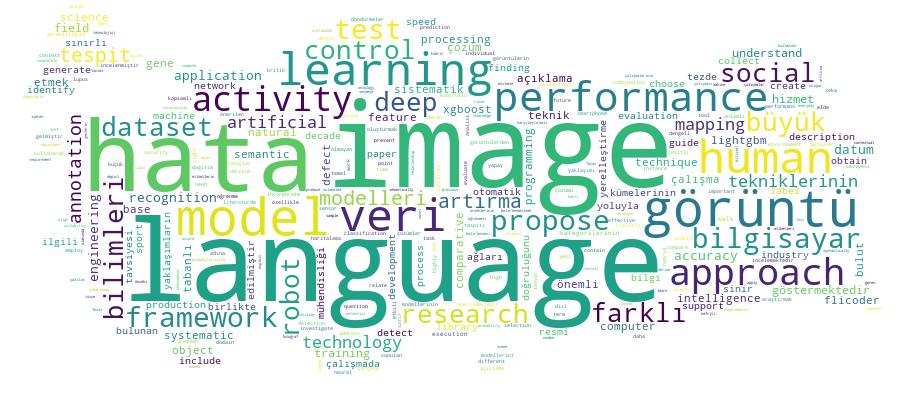
Competency Cloud
11 results
Scholarly Output Search Results
Now showing 1 - 10 of 11
Article Citation - WoS: 2Citation - Scopus: 3A Hybrid Approach for Semantic Image Annotation(Ieee-inst Electrical Electronics Engineers inc, 2021) Sezen, Arda; Turhan, Cigdem; Sengul, GokhanIn this study, a framework that generates natural language descriptions of images within a controlled environment is proposed. Previous work on neural networks mostly focused on choosing the right labels and/or increasing the number of related labels to depict an image. However, creating a textual description of an image is a completely different phenomenon, structurally, syntactically, and semantically. The proposed semantic image annotation framework presents a novel combination of deep learning models and aligned annotation results derived from the instances of the ontology classes to generate sentential descriptions of images. Our hybrid approach benefits from the unique combination of deep learning and semantic web technologies. We detect objects from unlabeled sports images using a deep learning model based on a residual network and a feature pyramid network, with the focal loss technique to obtain predictions with high probability. The proposed framework not only produces probabilistically labeled images, but also the contextual results obtained from a knowledge base exploiting the relationship between the objects. The framework's object detection and prediction performances are tested with two datasets where the first one includes individual instances of images containing everyday scenes of common objects and the second custom dataset contains sports images collected from the web. Moreover, a sample image set is created to obtain annotation result data by applying all framework layers. Experimental results show that the framework is effective in this controlled environment and can be used with other applications via web services within the supported sports domain.Article Görüntülerden Bilgi Elde Etmek İçin Görüntü Açıklama Çalışmalarının Sistematik Haritalandırma İncelemesi(2020) Sezen, Arda; Turhan, ÇiğdemÇeşitli görüntü türlerinden görüntü meta verilerini elde etmeyi, işlemeyi ve anlamlı sonuçlar çıkarmayı amaçlayan görüntü açıklaması kavramı, bilgi toplumunda görüntülerden bilgi edinme konusunda daha kritik hale gelmiştir. Bu konuda literatürde önerilen birçok yaklaşım vardır, ancak en uygun olanı seçmek kolay değildir. Bu çalışmada, görüntü açıklamalarındaki kilit yaklaşımlar, kapsamlı bir literatür taraması ve sistematik haritalama yoluyla incelenmiştir. Çalışmamızın yeniliği, literatürdeki görüntü açıklama çalışmalarını araştırmak, haritalamak ve analiz etmek ve seçilen çalışmaları sınıflandırmak, araştırma boşluklarını ortaya çıkarmak ve bu makalede sunulan araştırma soruları için görsel özet hazırlamak adına ilk denemeyi temsil etmesidir. Literatürde, ilgi alanını farklı açılardan araştırmak için sistematik haritalama yaklaşımı önerilmektedir. Bu amaçla, tespit edilen toplam 404 çalışma içerisinden 95 çalışma seçilmiştir. Alandaki literatürün incelenmesi, mevcut yöntemlerin / tekniklerin, araçların, metriklerin, süreçlerin veya diğer teknik yaklaşımların kendi başlarına eksiksiz bir çözüm üretmek için yeterli olmadığını göstermektedir. Önerilen teknikleri birleştirerek ve disiplinlerarası yaklaşımları dikkate alarak yeni çözümler üretmenin gerekliliği de önerilmiştir.Master Thesis Büyük Dil Modellerini Kullanarak Kod Örneklerinin Analizi ve Hata Ayıklama(2024) Shaıkh, Noman Ahmed; Sezen, ArdaKod hata ayıklama ve analizi zorlu bir görevdir. Özellikle otomatik olmayan hata yerelleştirme görevi kaynak tüketir ve hatanın kök nedenini belirlemek için önemli bir çaba gerektirir. Bu tezde, büyük dil modellerini kullanarak testsiz, otomatik satır seviyesi hata yerelleştirme incelenmiştir. Çalışmada, çift yönlü dikkat tabanlı mekanizma ve kod-anlama için önceden eğitilmiş büyük dil modelleri kullanıldı. Aynı zamanda büyük dil modellerinde girilen kodun satır seviyesi hatalılık puanlarını çıktı olarak vermesi için adaptör ayarlaması yapılmıştır. Ortaya çıkan model FLICoder olarak adlandırıldı. Farklı ayarlarla birden çok FLICoder modeli eğitildi ve mimarisinin çeşitli yönlerinin genel performans üzerindeki etkisi incelendi. FLICoder modeli ayrıca temel LLM tabanlı hata yerelleştirme çözümü ile karşılaştırılmış olup, FLICoder modelinin %25 - %52 iyileştirme gösterdiği tespit edilmiştir.Master Thesis Bulut Bilişim Güvenlik Sorunları ve Güvenlik Gereksinimlerine Göre Dağıtma Modeli ile Hizmet Modeli Seçimi(2015) Sezen, Arda; Yazıcı, Ali; Bostan, AtilaBu tez, X.800 Tavsiyesi içinde bulunan hizmet kategorilerinin gerekliliğini, farklı bulut hizmet modelleri ve bulut dağıtım modelleri için, bazı güvenlik çözümü yaklaşımlarıyla birlikte incelemektedir. Tezde sunulan çözüm önerileri, teknik ve teknik olmayan yaklaşımların kapsamlı çözümler üretmek için birlikte ele alınması gerektiğini göstermektedir. Altı teknik çözüm yaklaşımı, X.800 Tavsiyesi içinde bulunan hizmet kategorilerinin yerine getirilmesini değerlendirmek üzere bu çalışmaya dâhil edilmiştir. Sonunda, X.800 Tavsiyesi içinde bulunan hizmet kategorilerinin gerekliliğini, farklı bulut hizmet modelleri ve bulut dağıtım modelleri için anlamak ve anlamlı farklılaşmaları ortaya koymak adına on iki hipotez, anket verilerine dayanarak, formüle, test ve kabul edilmiştir.Review Citation - WoS: 5Citation - Scopus: 6Research on Pcb Defect Detection Using Artificial Intelligence: a Systematic Mapping Study(Springer Heidelberg, 2024) Ural, Dogan Irmak; Sezen, ArdaSMT (Surface Mount Technology) has been the backbone of PCB (Printed Circuit Board) production for the last couple of decades. Even though the speed and accuracy of SMT have been drastically improved in the last decade, errors during production are still a very valid problem for the PCB industry. With the exponential rise of Artificial Intelligence in the last decade, the SMT industry was one of the most eager industries to use this new technology to detect possible defects during production. Lately, traditional image processing techniques started to lag behind methods such as machine learning and deep learning when the discussion came to the need of high accuracy. In this paper, we screen academic libraries to understand which of the latest methods and techniques are used in the domain and to deduce a general process for detecting defects in PCBs. During the research we have investigated research questions related to state-of-the-art methods, highly mentioned datasets, and sought after PCB defects. All findings and answers are mapped to be able to understand where this pursuit might point towards. From a total of 270 papers, 90 of them were addressed in detail and 78 papers were chosen for this systematic mapping.Master Thesis Baskı Devre Kartı (PCB) Üretiminde Hata Tespiti için Veri Arttırma Tekniklerinin Karşılaştırmalı Bir Çalışması: Sınırlı Veri Setleri için En İyi Yaklaşımların Belirlenmesi(2024) Ural, Doğan Irmak; Sezen, ArdaElektronik üretim sektörünün hızla genişlemesiyle birlikte, baskılı devre kartlarında (PCB'ler) hata tespiti, kalite güvencesinin kritik bir unsuru haline gelmiştir. Evrişimli sinir ağları (CNN'ler) ve YOLOv8 gibi derin öğrenme modelleri, otomatik hata tespitinde önemli ilerlemeler kaydetmiş olsa da, bu modellerin başarısı genellikle büyük ve yüksek kaliteli veri kümelerinin sınırlı olmasıyla engellenmektedir. Bu çalışma, veri kümelerinin sınırlı olduğu durumlarda, özellikle küçük nesne tespitine odaklanarak, farklı veri artırma tekniklerinin PCB'lerde hata tespit doğruluğunu nasıl etkilediğini incelemektedir. Bir dizi kontrollü deney yoluyla, görüntü tabanlı ve sınırlayıcı kutu (bounding box) tabanlı veri artırma stratejilerini sistematik olarak karşılaştırdık. Sonuçlar, orta düzeyde gürültü ekleme, hafif döndürmeler ve ince renk ayarları gibi dengeli artırma yöntemlerinin tespit performansını önemli ölçüde artırdığını göstermektedir. Buna karşılık, büyük döndürmeler ve ters çevirme gibi daha agresif artırma tekniklerinin doğruluğu olumsuz etkilediği bulunmuştur. Bu bulgular, dengeli artırma tekniklerinin küçük veri kümelerinin getirdiği sınırlamaları aşmaya yardımcı olabileceğini ve PCB üreticilerine, geniş veri setlerine ihtiyaç duymadan, hata tespit doğruluğunu artırmak için etkili bir yol sunduğunu göstermektedir. Sonuç olarak, çalışma, iyileştirilmiş artırma tekniklerinin, kesinlik, duyarlılık, mAP50 ve F1 skoru gibi temel performans metriklerinde maksimum %11'lik önemli bir artış sağladığını ve tespit doğruluğunu %88'den olağanüstü bir şekilde %99'a çıkardığını göstermektedir.Article Citation - Scopus: 2Systematic Mapping Study on Natural Language Processing for Social Robots(Prof.Dr. İskender AKKURT, 2024) Adem,A.İ.; Turhan,Ç.; Sezen,A.Nowadays, social robots are becoming increasingly sophisticated in terms of their ability to interact with humans and possess social skills, and in this context, natural language processing (NLP) plays a critical role for robots to understand and communicate with human language. Natural Language Processing (NLP) is an interdisciplinary field used to help computers understand, interpret, and generate human language with a wide range of applications. The examination of the datasets, methods/techniques and tools, and usage of speech recognition or generation in the fields of NLP is important in understanding the developments in this field. In this study, 35 out of 92 studies in the literature collected from Web of Science were examined using a systematic mapping approach, and important findings on the use of NLP in social robots were identified. In particular, emphasis was placed on the effective evaluation of the research questions in the context of NLP in social robots. This study creates a starting point that will guide research in the field of NLP use in social robots and guide future studies. © 2024, Prof.Dr. İskender AKKURT. All rights reserved.Doctoral Thesis Derin Öğrenme ve Anlamsal Ağ Teknolojilerini Kullanarak Görüntü Açıklaması(2021) Sezen, Arda; Turhan, Çiğdem; Şengül, GökhanBu tezde, görüntü açıklama alanında görüntü tanımı çıkarımını içeren bilişsel görev için hibrit bir çözüm önerilmektedir. Sinir Ağları ile ilgili önceki çalışmalar çoğunlukla doğru etiketleri seçmeye ve/veya bir resmi tasvir etmek için ilgili etiketlerin sayısını artırmaya odaklandı. Ancak, bir resmi tanımlamak için bir dizi ilgili etiket oluşturmak ve bu resmi cümleler yoluyla tasvir etmek yapısal, sözdizimsel ve anlamsal olarak tamamen farklı olgulardır. Bu çalışmada spor alanındaki görüntülerin kontrollü bir ortamda doğal dil tanımlarını oluşturan bir çerçeve sunulmaktadır. Yaklaşımımız, görüntülerin cümle açıklamalarını oluşturmak için Yapay Zeka ve Ontolojilerden yararlanmaktadır. Geliştirilen çerçeve, derin öğrenme modellerinin ve ontoloji sınıflarının örneklerinden türetilen hizalı açıklama sonuçlarının yeni bir kombinasyonunu sunmaktadır.Article Citation - Scopus: 4A Comparative Analysis of Xgboost and Lightgbm Approaches for Human Activity Recognition: Speed and Accuracy Evaluation(Prof.Dr. İskender AKKURT, 2024) Sezen,A.; Türkmen,G.Human activity recognition is the process of automatically identifying and classifying human activities based on data collected from different modalities such as wearable sensors, smartphones, or similar devices having necessary sensors or cameras capturing the behavior of the individuals. In this study, XGBoost and LightGBM approaches for human activity recognition are proposed and the performance and execution times of the proposed approaches are compared. The proposed methods on a dataset including accelerometer and gyroscope data acquired using a smartphone for six activities. The activities are laying, sitting, standing, walking, walking downstairs, and walking upstairs. The available dataset is divided into training and test sets, and proposed methods are trained using the training set, and tested on the test sets. At the end of the study, 97.23% accuracy using the LightGBM approach, and 96.67% accuracy using XGBoost is achieved. It is also found that XGBoost is faster than the LightGBM, whenever the execution times are compared. © IJCESEN.Article Citation - Scopus: 21Comparative Analysis of Programming Languages Utilized in Artificial Intelligence Applications: Features, Performance, and Suitability(Prof.Dr. İskender AKKURT, 2024) Sezen, Arda; Türkmen, Güzin; Şengül, GökhanThis study presents a detailed comparative analysis of the foremost programming languages employed in Artificial Intelligence (AI) applications: Python, R, Java, and Julia. These languages are analysed for their performance, features, ease of use, scalability, library support, and their applicability to various AI tasks such as machine learning, data analysis, and scientific computing. Each language is evaluated based on syntax and readability, execution speed, library ecosystem, and integration with external tools. The analysis incorporates a use case of code writing for a linear regression task. The aim of this research is to guide AI practitioners, researchers, and developers in choosing the most appropriate programming language for their specific needs, optimizing both the development process and the performance of AI applications. The findings also highlight the ongoing evolution and community support for these languages, influencing long-term sustainability and adaptability in the rapidly advancing field of AI. This comparative assessment contributes to a deeper understanding of how programming languages can enhance or constrain the development and implementation of AI technologies.
