
Köse, Sevil
Loading...

Profile URL
Name Variants
S.,Kose
Kose,S.
S.,Köse
K., Sevil
S., Kose
Köse,S.
Sevil, Köse
Sevil, Kose
Köse, Sevil
Kose, Sevil
K.,Sevil
Kose, S.
Kose,S.
S.,Köse
K., Sevil
S., Kose
Köse,S.
Sevil, Köse
Sevil, Kose
Köse, Sevil
Kose, Sevil
K.,Sevil
Kose, S.
Job Title
Doktor Öğretim Üyesi
Email Address
sevil.kose@atilim.edu.tr
Main Affiliation
Nutrition and Dietetics
Status
Former Staff
Website
ORCID ID
Scopus Author ID
Turkish CoHE Profile ID
Google Scholar ID
WoS Researcher ID
Sustainable Development Goals
 1
1NO POVERTY
0
Research Products
 2
2ZERO HUNGER
0
Research Products
 3
3GOOD HEALTH AND WELL-BEING
10
Research Products
 4
4QUALITY EDUCATION
0
Research Products
 5
5GENDER EQUALITY
0
Research Products
 6
6CLEAN WATER AND SANITATION
0
Research Products
 7
7AFFORDABLE AND CLEAN ENERGY
0
Research Products
 8
8DECENT WORK AND ECONOMIC GROWTH
0
Research Products
 9
9INDUSTRY, INNOVATION AND INFRASTRUCTURE
0
Research Products
 10
10REDUCED INEQUALITIES
0
Research Products
 11
11SUSTAINABLE CITIES AND COMMUNITIES
0
Research Products
 12
12RESPONSIBLE CONSUMPTION AND PRODUCTION
0
Research Products
 13
13CLIMATE ACTION
0
Research Products
 14
14LIFE BELOW WATER
1
Research Products
 15
15LIFE ON LAND
0
Research Products
 16
16PEACE, JUSTICE AND STRONG INSTITUTIONS
0
Research Products
 17
17PARTNERSHIPS FOR THE GOALS
0
Research Products

This researcher does not have a Scopus ID.

This researcher does not have a WoS ID.

Scholarly Output
18
Articles
10
Views / Downloads
0/0
Supervised MSc Theses
0
Supervised PhD Theses
0
WoS Citation Count
173
Scopus Citation Count
199
Patents
0
Projects
0
WoS Citations per Publication
9.61
Scopus Citations per Publication
11.06
Open Access Source
6
Supervised Theses
0
| Journal | Count |
|---|---|
| Advances in Experimental Medicine and Biology | 4 |
| Stem Cell Research & Therapy | 2 |
| Turkish Journal of Biology | 2 |
| Comparative Kinesiology of the Human Body: Normal and Pathological Conditions | 1 |
| Cytokine | 1 |
Current Page: 1 / 3
Scopus Quartile Distribution
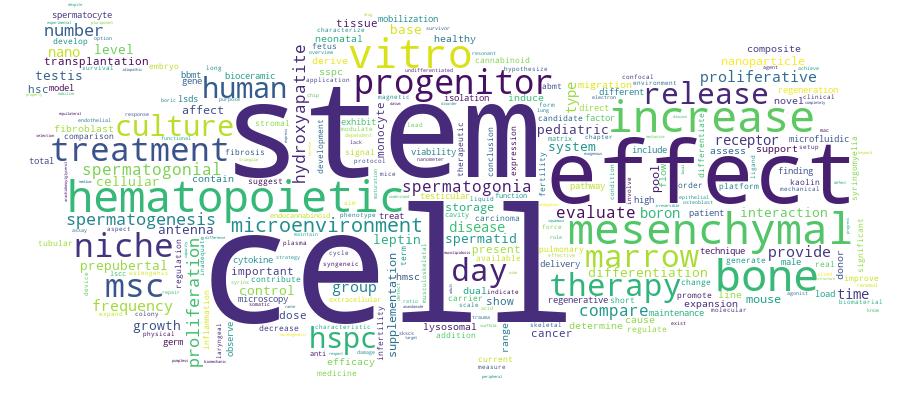
Competency Cloud
18 results
Scholarly Output Search Results
Now showing 1 - 10 of 18
Article Citation - WoS: 3Citation - Scopus: 3Characterization of Mesenchymal Stem Cells in Mucolipidosis Type Ii (i-Cell Disease)(Tubitak Scientific & Technological Research Council Turkey, 2019) Köse, Sevil; Kaya, Fatima Aerts; Kuşkonmaz, Bülent Barış; Çetinkaya, Duygu Uçkan; Aerts Kaya, Fatima; Uckan Cetinkaya, DuyguMucolipidosis type II (ML-II, I-cell disease) is a fatal inherited lysosomal storage disease caused by a deficiency of theenzyme N-acetylglucosamine-1-phosphotransferase. A characteristic skeletal phenotype is one of the many clinical manifestationsof ML-II. Since the mechanisms underlying these skeletal defects in ML-II are not completely understood, we hypothesized that adefect in osteogenic differentiation of ML-II bone marrow mesenchymal stem cells (BM-MSCs) might be responsible for this skeletalphenotype. Here, we assessed and characterized the cellular phenotype of BM-MSCs from a ML-II patient before (BBMT) and afterBM transplantation (ABMT), and we compared the results with BM-MSCs from a carrier and a healthy donor. Morphologically, wedid not observe differences in ML-II BBMT and ABMT or carrier MSCs in terms of size or granularity. Osteogenic differentiation wasnot markedly affected by disease or carrier status. Adipogenic differentiation was increased in BBMT ML-II MSCs, but chondrogenicdifferentiation was decreased in both BBMT and ABMT ML-II MSCs. Immunophenotypically no significant differences were observedbetween the samples. Interestingly, the proliferative capacity of BBMT and ABMT ML-II MSCs was increased in comparison to MSCsfrom age-matched healthy donors. These data suggest that MSCs are not likely to cause the skeletal phenotype observed in ML-II, butthey may contribute to the pathogenesis of ML-II as a result of lysosomal storage-induced pathology.Article Citation - WoS: 9Citation - Scopus: 11Human Laryngeal Squamous Cell Carcinoma Cell Line Release of Endogenous Anandamide and 2-Arachidonoylglycerol, and Their Antiproliferative Effect Via Exogenous Supplementation: an in Vitro Study(Springer, 2022) Onay, Ovsen; Kose, Sevil; Suslu, Nilda; Korkusuz, Petek; Nemutlu, Emirhan; Aydin, Canset; Hosal, SefikThe level of the major endocannabinoids anandamide (AEA) and 2-arachidonoylglycerol (2-AG) are altered in several types of carcinomas, and are known to regulate tumor growth. Thusly, this study hypothesized that the HEp-2 human laryngeal squamous cell carcinoma (LSCC) cell line releases AEA and 2-AG, and aimed to determine if their exogenous supplementation has an anti-proliferative effect in vitro. In this in vitro observational study a commercial human LSCC cell line (HEp-2) was used to test for endogenous AEA and 2-AG release via liquid chromatography-tandem mass spectrometry (LC-MS/MS). The anti-proliferative effect of AEA and 2-AG supplementation was evaluated via WST-1 proliferation assay. It was observed that the HEp-2 LSCC cell line released AEA and 2-AG; the median quantity of AEA released was 15.69 ng mL(-1) (range: 14.55-15.95 ng mL(-1)) and the median quantity of 2-AG released was 2.72 ng (-1) (range: 2.67-2.74 ng mL(-1)). Additionally, both AEA and 2-AG exhibited an anti-proliferative effect. The anti-proliferative effect of 2-AG was stronger than that of AEA. These findings suggest that AEA might function via a CB1 receptor-independent pathway and that 2-AG might function via a CB2-dependent pathway. The present findings show that the HEp-2 LSCC cell line releases the major endocannabinoids AEA and 2-AG, and that their supplementation inhibits tumor cell proliferation in vitro. Thus, cannabinoid ligands might represent novel drug candidates for laryngeal cancers, although functional in vivo studies are required in order to validate their potency.Article Citation - WoS: 2Citation - Scopus: 22-Ag and Bone Marrow-Targeted Pcl Nanoparticles as Nanoplatforms for Hematopoietic Cell Line Mobilization(Bmc, 2024) Kose, Sevil; Varan, Cem; Onen, Selin; Nemutlu, Emirhan; Bilensoy, Erem; Korkusuz, PetekBackgroundThe use of mobilizing agents for hematopoietic stem cell (HSC) transplantation is insufficient for an increasing number of patients. We previously reported lipid made endocannabinoid (eCB) ligands act on the human bone marrow (hBM) HSC migration in vitro, lacking long term stability to be therapeutic candidate. In this study, we hypothesized if a novel 2-AG-loaded polycaprolactone (PCL)-based nanoparticle delivery system that actively targets BM via phosphatidylserine (Ps) can be generated and validated.MethodsPCL nanoparticles were prepared by using the emulsion evaporation method and characterized by Zetasizer and scanning electron microscopy (SEM). The encapsulation efficiency and release profile of 2-AG were determined by liquid chromatography-tandem mass spectrometry (LC-MS/MS). The presence of cannabinoid receptors (CBRs) in HSCs and monocytes was detected by flow cytometry. Cell morphology and viability were assessed using transmission electron microscopy (TEM), SEM, and the WST-1 viability assay. The migration efficacy of the 2-AG and 2-AG-loaded nanoparticle delivery system on HSCs and HPSCs (TF-1a and TF-1) and monocytes (THP-1) was evaluated using a transwell migration assay.ResultsThe 140-225 nm PCL nanoparticles exhibited an increasing polydispersity index (PDI) after the addition of Ps and 2-AG, with a surface charge ranging from - 25 to -50 mV. The nanoparticles released up to 36% of 2-AG within the first 8 h. The 2-AG-Ps-PCL did not affect cellular viability compared to control on days 5 and 10. The HSCs and monocytes expressed CB1R and CB2R and revealed increased migration to media containing 1 mu M 2-AG-Ps-PCL compared to control. The migration rate of the HSCs toward monocytes incubated with 1 mu M 2-AG-Ps-PCL was higher than that of the monocytes of control. The 2-AG-Ps-PCL formulation provided a real time mobilization efficacy at 1 mu M dose and 8 h time window via a specific CBR agonism.ConclusionThe newly generated and validated 2-AG-loaded PCL nanoparticle delivery system can serve as a stable, long lasting, targeted mobilization agent for HSCs and as a candidate therapeutic to be included in HSC transplantation (HSCT) protocols following scale-up in vivo preclinical and subsequent clinical trials.Article Citation - WoS: 24Citation - Scopus: 27Mesenchymal Stem Cells Promote Spermatogonial Stem/Progenitor Cell Pool and Spermatogenesis in Neonatal Mice in Vitro(Nature Portfolio, 2022) Onen, Selin; Kose, Sevil; Yersal, Nilgun; Korkusuz, PetekPrepubertal cancer treatment leads to irreversible infertility in half of the male patients. Current in vitro spermatogenesis protocols and cryopreservation techniques are inadequate to expand spermatogonial stem/progenitor cells (SSPC) from testicles. Bone marrow derived mesenchymal stem cells (BM-MSC) bearing a close resemblance to Sertoli cells, improved spermatogenesis in animal models. We asked if a co-culture setup supported by syngeneic BM-MSC that contributes to the air-liquid interphase (ALI) could lead to survival, expansion and differentiation of SSPCs in vitro. We generated an ALI platform able to provide a real-time cellular paracrine contribution consisting of syngeneic BM-MSCs to neonatal C57BL/6 mice testes. We aimed to evaluate the efficacy of this culture system on SSPC pool expansion and spermatogenesis throughout a complete spermatogenic cycle by measuring the number of total germ cells (GC), the undifferentiated and differentiating spermatogonia, the spermatocytes and the spermatids. Furthermore, we evaluated the testicular cell cycle phases, the tubular and luminal areas using histochemical, immunohistochemical and flow cytometric techniques. Cultures in present of BM-MSCs displayed survival of ID4(+) spermatogonial stem cells (SSC), expansion of SALL4(+) and OCT4(+) SSPCs, VASA(+) total GCs and Ki67(+) proliferative cells at 42 days and an increased number of SCP3(+) spermatocytes and Acrosin(+) spermatids at 28 days. BM-MSCs increased the percentage of mitotic cells within the G2-M phase of the total testicular cell cycle increased for 7 days, preserved the cell viability for 42 days and induced testicular maturation by enlargement of the tubular and luminal area for 42 days in comparison to the control. The percentage of PLZF(+) SSPCs increased within the first 28 days of culture, after which the pool started to get smaller while the number of spermatocytes and spermatids increased simultaneously. Our findings established the efficacy of syngeneic BM-MSCs on the survival and expansion of the SSPC pool and differentiation of spermatogonia to round spermatids during in vitro culture of prepubertal mice testes for 42 days. This method may be helpful in providing alternative cures for male fertility by supporting in vitro differentiated spermatids that can be used for round spermatid injection (ROSI) to female oocyte in animal models. These findings can be further exploited for personalized cellular therapy strategies to cure male infertility of prepubertal cancer survivors in clinics.Article Citation - WoS: 1Citation - Scopus: 2Cannabinoid Receptor Ligands Modulate Fibrosis and Inflammation in Idiopathic Pulmonary Fibrosis: a Preliminary Study(Tubitak Scientific & Technological Research Council Turkey, 2024) Kose, Sevil; Onen, Selin; Gizer, Merve; Boduroglu, Esin; Gonullu, Ugur; Korkusuz, PetekBackground/aim: No specific pharmacological treatment regimen for idiopathic pulmonary fibrosis (IPF) exists. Therefore, new antiinflammatory therapeutic strategies are needed. Cannabinoids (CBs), known for their inflammation-modulating and antifibrotic effects, may be potential medication candidates for treating IPF. We aim to evaluate the inflammation-modulating and antifibrotic effects of CB receptor (CBR) agonists and antagonists in lipopolysaccharide-stimulated normal human lung fibroblast, epithelial cells, IPF fibroblast cells, and monocytes. Materials and methods: We detected CBRs in normal human lung fibroblasts (LL24) and IPF fibroblast cells (LL29), epithelial cells (A549) and monocytes (THP-1) by flow cytometry. We determined TGF-(31, IL-8, and TNF-alpha inflammatory cytokines in the LL24, LL29, A549, and THP-1 cell culture supernatants on days 1 and 5 by ELISA. We evaluated the cell viability in LL24, LL29, and A549 cells on days 1, 3, and 5 spectrophotometrically and detected collagen Type I (ColI) production in the LL24 and LL29 cell culture supernatants on days 1, 3, and 5 by ELISA. Results: LL24, LL29, A549, and THP-1 cells exhibited CB1 (CB1R) and CB2 (CB2R) receptors. CB1R and CB2R agonists WIN55,2122 and JWH015 inhibited fibroblastic and epithelial cell proliferation on day 5. TGF-(31 and TNF-alpha release increased, while IL-8 release decreased in LL24, LL29, A549, and THP-1 cells in response to the administration of WIN55,212-2 and JWH015 at a 10-2 mM concentration. CB1R and CB2R antagonists AM251 and AM630 did not block agonistic responses, suggesting a nonclassical CBRmediated pathway. CB2R agonist JWH015 decreased ColI expression in IPF lung fibroblasts LL29 on day 3. Conclusion: These results suggest that CB signaling regulates the progression of pulmonary inflammation and fibrosis via CBR activation. This may offer a potential pharmacological tool for developing antifibrosis therapies.Article Citation - WoS: 5Citation - Scopus: 7G-Csf Treatment of Healthy Pediatric Donors Affects Their Hematopoietic Microenvironment Through Changes in Bone Marrow Plasma Cytokines and Stromal Cells(Academic Press Ltd- Elsevier Science Ltd, 2021) Aerts-Kaya, Fatima; Kilic, Emine; Kose, Sevil; Aydin, Gozde; Cagnan, Ilgin; Kuskonmaz, Baris; Uckan-Cetinkaya, DuyguAlthough G-CSF mobilized peripheral blood stem cell (PBSC) transplantation is commonly used in adults, bone marrow (BM) is still the preferred stem cell source in pediatric stem cell transplantation. Despite the fact that G-CSF is increasingly being used to enhance the hematopoietic stem/progenitor cell (HSPC) yield in BM transplantation (G-BM), the direct effects of G-CSF on the pediatric BM microenvironment have never been investigated. The BM hematopoietic niche provides the physical space where the HSPCs reside. This BM niche regulates HSPC quiescence and proliferation through direct interactions with other niche cells, including Mesenchymal Stromal Cells (MSCs). These cells have been shown to secrete a wide range of hematopoietic cytokines (CKs) and growth factors (GFs) involved in differentiation, retention and homing of hematopoietic cells. Here, we assessed changes in the BM microenvironment by measuring levels of 48 different CKs and GFs in G-BM and control BM (C-BM) plasma from pediatric donors. In addition, the effect of G-CSF on cell numbers and characteristics of HSPCs and MSCs was assessed. IL-16, SCGF-b, MIP-1b (all >1000 pg/mL) and RANTES (>10.000 pg/mL) were highly expressed in healthy donor pediatric BM plasma. Levels of IL-3, IL-18, GROa, MCP-3 (p<0.05) were increased in G-BM, whereas levels of RANTES (p<0.001) decreased after G-CSF treatment. We found a negative correlation with increasing age for IL2-Ra and LIF (p<0.05). In addition, a concomitant increase in the number of both hematopoietic and fibroblast colony forming units was observed, indicating that G-CSF affects both HSPC and MSC numbers. In conclusion, G-CSF treatment of healthy pediatric donors affects the hematopoietic BM microenvironment by expansion of HSPC and MSC numbers and modifying local CK and GF levels.Book Part Citation - WoS: 15Citation - Scopus: 15Comparison of Hematopoietic and Spermatogonial Stem Cell Niches From the Regenerative Medicine Aspect(Springer international Publishing Ag, 2018) Kose, Sevil; Yersal, Nilgun; Onen, Selin; Korkusuz, PetekRecent advances require a dual evaluation of germ and somatic stem cell niches with a regenerative medicine perspective. For a better point of view of the niche concept, it is needed to compare the microenvironments of those niches in respect to several components. The cellular environment of spermatogonial stem cells' niche consists of Sertoli cells, Leydig cells, vascular endothelial cells, epididymal fat cells, peritubular myoid cells while hematopoietic stem cells have mesenchymal stem cells, osteoblasts, osteoclasts, megacaryocytes, macrophages, vascular endothelial cells, pericytes and adipocytes in their microenvironment. Not only those cells', but also the effect of the other factors such as hormones, growth factors, chemokines, cytokines, extracellular matrix components, biomechanical forces (like shear stress, tension or compression) and physical environmental elements such as temperature, oxygen level and pH will be clarified during the chapter. Because it is known that the microenvironment has an important role in the stem cell homeostasis and disease conditions, it is crucial to understand the details of the microenvironment and to be able to compare the niche concepts of the different types of stem cells from each other, for the regenerative interventions. Indeed, the purpose of this chapter is to point out the usage of niche engineering within the further studies in the regenerative medicine field. Decellularized, synthetic or non-synthetic scaffolds may help to mimic the stem cell niche. However, the shared or different characteristics of germ and somatic stem cell microenvironments are necessary to constitute a proper niche model. When considered from this aspect, it is possible to produce some strategies on the personalized medicine by using those artificial models of stem cell microenvironment.Book Part Citation - WoS: 7Citation - Scopus: 11Magnetic-Based Cell Isolation Technique for the Selection of Stem Cells(Humana Press inc, 2019) Korkusuz, Petek; Kose, Sevil; Yersal, Nilgun; Onen, SelinMagnetic-activated cell sorting (MACS) is the technology that is recently used as a magnetic-based cell isolation/purification technique. This technique enables the isolation and selection of germ, hematopoietic, and somatic stem cells including skin stem cells (SkSCs). Here, we have tried to describe the isolation of stem cells by MACS using CD34 antigen for SkSCs, again CD34 for hematopoietic stem cells (HSCs) and Thy-1 for spermatogonial stem cells (SpSCs). MACS allowed the isolation of CD34+, CD34+, and Thy-1+ human SkSCs, HSCs, and SpSCs with minimum 98% purity.Book Part Citation - WoS: 3Citation - Scopus: 4Stem Cell Applications in Lysosomal Storage Disorders: Progress and Ongoing Challenges(Springer international Publishing Ag, 2021) Kose, S.; Aerts-Kaya, F.; Cetinkaya, D. Uckan; Korkusuz, P.; Uçkan Çetinkaya, DuyguLysosomal storage disorders (LSDs) are rare inborn errors of metabolism caused by defects in lysosomal function. These diseases are characterized by accumulation of completely or partially degraded substrates in the lysosomes leading to cellular dysfunction of the affected cells. Currently, enzyme replacement therapies (ERTs), treatments directed at substrate reduction (SRT), and hematopoietic stem cell (HSC) transplantation are the only treatment options for LSDs, and the effects of these treatments depend strongly on the type of LSD and the time of initiation of treatment. However, some of the LSDs still lack a durable and curative treatment. Therefore, a variety of novel treatments for LSD patients has been developed in the past few years. However, despite significant progress, the efficacy of some of these treatments remains limited because these therapies are often initiated after irreversible organ damage has occurred. Here, we provide an overview of the known effects of LSDs on stem cell function, as well as a synopsis of available stem cell-based cell and gene therapies that have been/are being developed for the treatment of LSDs. We discuss the advantages and disadvantages of use of hematopoietic stem cell (HSC), mesenchymal stem cell (MSC), and induced pluripotent stem cell (iPSC)-related (gene) therapies. An overview of current research data indicates that when stem cell and/or gene therapy applications are used in combination with existing therapies such as ERT, SRT, and chaperone therapies, promising results can be achieved, showing that these treatments may result in alleviation of existing symptoms and/or prevention of progression of the disease. All together, these studies offer some insight in LSD stem cell biology and provide a hopeful perspective for the use of stem cells. Further development and improvement of these stem cell (gene) combination therapies may greatly improve the current treatment options and outcomes of patients with a LSD.Conference Object Citation - WoS: 4Dual-Frequency, Two Shorting Pin-Loaded Equilateral Triangular Patch Antennas(Electromagnetics Acad, 2012) Can, Sultan; Kapusuz, K. Yavuz; Aydin, ElifThis study presents the resonant frequencies of several antennas, which are dual-frequency antennas. These antennas possess two shorting pins to form dual frequency. Among several methods to provide dual operation, two shorting pins are used to form dual frequency equilateral triangular antennas since there are limited studies on this issue and higher frequency ratios are achievable. The present study has been done with this in mind in order to contribute to related literature on such antennas. Here, the parameters that affect the resonant frequencies of the antenna are also evaluated. The thickness, side length, and shorting pin positions are changed numerous times, and the resonant frequencies are examined according to the change of these parameters. Finally, the frequency ratios are determined for each variation, and the results are compared. The proposed antennas in present study achieved a frequency ratio around 5.7, which is significantly higher from the ones presented in the literature.
