
Dursun, Ali Doğan
Loading...
Profile URL
Name Variants
Dursun, Ali D. D.
D. Dursun
D.,Ali Dogan
Dursun A.
A., Dursun
Dursun, Ali
Ali Doan
Dursun, Ali Dogan
Dursun, A. D.
A.,Dursun
Dursun,A.D.
D., Ali Doğan
Dursun, Ali Doğan
D.,Ali Doğan
A.D.Dursun
Ali Doğan, Dursun
A. D. Dursun
Dursun, Ali D.
Ali Dogan, Dursun
D., Ali Dogan
D. Dursun
D.,Ali Dogan
Dursun A.
A., Dursun
Dursun, Ali
Ali Doan
Dursun, Ali Dogan
Dursun, A. D.
A.,Dursun
Dursun,A.D.
D., Ali Doğan
Dursun, Ali Doğan
D.,Ali Doğan
A.D.Dursun
Ali Doğan, Dursun
A. D. Dursun
Dursun, Ali D.
Ali Dogan, Dursun
D., Ali Dogan
Job Title
Doçent Doktor
Email Address
ali.dursun@atilim.edu.tr
Main Affiliation
Basic Sciences
Status
Website
ORCID ID
Scopus Author ID
Turkish CoHE Profile ID
Google Scholar ID
WoS Researcher ID
Sustainable Development Goals
 1
1NO POVERTY
0
Research Products
 2
2ZERO HUNGER
0
Research Products
 3
3GOOD HEALTH AND WELL-BEING
18
Research Products
 4
4QUALITY EDUCATION
0
Research Products
 5
5GENDER EQUALITY
1
Research Products
 6
6CLEAN WATER AND SANITATION
1
Research Products
 7
7AFFORDABLE AND CLEAN ENERGY
1
Research Products
 8
8DECENT WORK AND ECONOMIC GROWTH
0
Research Products
 9
9INDUSTRY, INNOVATION AND INFRASTRUCTURE
1
Research Products
 10
10REDUCED INEQUALITIES
0
Research Products
 11
11SUSTAINABLE CITIES AND COMMUNITIES
0
Research Products
 12
12RESPONSIBLE CONSUMPTION AND PRODUCTION
0
Research Products
 13
13CLIMATE ACTION
0
Research Products
 14
14LIFE BELOW WATER
2
Research Products
 15
15LIFE ON LAND
0
Research Products
 16
16PEACE, JUSTICE AND STRONG INSTITUTIONS
1
Research Products
 17
17PARTNERSHIPS FOR THE GOALS
0
Research Products

This researcher does not have a Scopus ID.

Documents
71
Citations
530

Scholarly Output
46
Articles
43
Views / Downloads
10/0
Supervised MSc Theses
1
Supervised PhD Theses
0
WoS Citation Count
240
Scopus Citation Count
254
Patents
0
Projects
0
WoS Citations per Publication
5.22
Scopus Citations per Publication
5.52
Open Access Source
29
Supervised Theses
1
| Journal | Count |
|---|---|
| International Journal of General Medicine | 4 |
| Drug Design, Development and Therapy | 3 |
| Medicina | 3 |
| Sakarya Tıp Dergisi | 2 |
| Journal of Updates in Cardiovascular Medicine | 2 |
Current Page: 1 / 7
Scopus Quartile Distribution
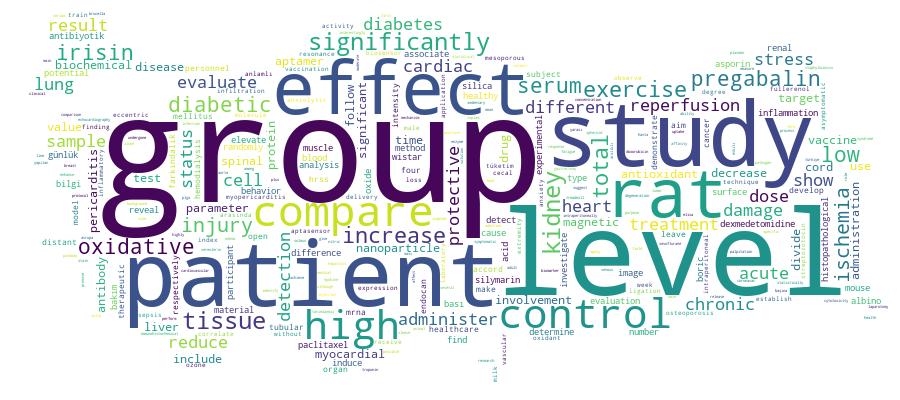
Competency Cloud
36 results
Scholarly Output Search Results
Now showing 1 - 10 of 36
Article Citation - WoS: 11Citation - Scopus: 16Therapeutic Efficacy of Boric Acid Treatment on Brain Tissue and Cognitive Functions in Rats With Experimental Alzheimer's Disease(Dove Medical Press Ltd, 2023) Ozdemir, Cagri; Arslan, Mustafa; Kucuk, Aysegul; Yigman, Zeynep; Dursun, Ali DoganIntroduction: Oxidative stress has an important role in the pathophysiology of Alzheimer's disease (AD), the most common type of dementia. Boric acid (BA) contributes significantly to the protection of the brain by reducing lipid peroxidation and supporting antioxidant defense. We aimed to evaluate the therapeutic potential of BA treatment in AD rats. Materials and Methods: Four groups were formed as Control (C), Alzheimer's (A), Alzheimer's + Boric acid (ABA), Boric acid (BA). Intracerebroventricular injection of Streptozotocin (STZ) was preferred to create an AD. After 4 weeks, BA was applied 3 times every other day. The Radial Arm Maze Test (RAMT) was used to evaluate memory and learning abilities. Biochemical and histopathological evaluations were made in the hippocampus. Results: Initial RAMT inlet/outlet (I/O) numbers were similar. Two weeks after STZ injection, I/O numbers decreased in group A and ABA compared to group C and BA (p<0.05). After the second BA application, I/O numbers increased in the ABA group compared to the A group (p<0.05). In group A, PON-1, TOS and OSI levels were higher and TAS levels were lower than in groups BA and C. After BA treatment, PON-1 and OSI levels were lower in the ABA group than in the A group (p<0.05). Although there was an increase in TAS value and a decrease in TOS, this did not make a statistical difference. The thickness of the pyramidal cell in CA1 and the granular cell layers in the dentate gyrus, and the number of intact and degenerated neurons in the pyramidal cell layer were similar between the groups. Discussion: Significant improvement in learning and memory abilities after BA application is promising for AD. Conclusion: These results show that BA application positively affects learning and memory abilities, and reduces oxidative stress. More extensive studies are required to evaluate histopathological efficacy.Master Thesis Diabetes Mellitus'ta Ghrelin, Nesfatin-1 ve Vaspin İlişkisi(2025) Akkuş, Şüheda; Dursun, Ali DoğanBu tez çalışmasında, Diabetes Mellitus'lu bireylerde spesifik adipokinler olan Ghrelin, Nesfatin-1 ve Vaspin düzeyleri incelenmiş ve bu düzeylerin glisemik kontrol göstergelerinden biri olan HbA1c ile olası ilişkileri değerlendirilmiştir. Diabetes Mellitus, küresel yaygınlığı giderek artan, insülin direnci, glukoz metabolizmasında bozulma ve kronik inflamasyon ile karakterize karmaşık bir metabolik hastalıktır. Adipoz dokudan salgılanan adipokinlerin insülin duyarlılığı, enerji dengesi ve inflamatuar yanıtların düzenlenmesinde önemli roller oynadığı bilinmektedir. Bu moleküllerin diyabet patofizyolojisindeki etkileriyle ilgili yapılan önceki çalışmalar, tanısal biyobelirteç veya terapötik hedef olarak potansiyel taşıdıklarını öne sürmektedir; ancak bu ilişkilerin mekanizmaları hâlâ netlik kazanmamıştır. Bu araştırmada, ELISA yöntemi ile kan örneklerinde yapılan biyokimyasal analizler ve HbA1c düzeyleriyle yapılan istatistiksel korelasyon çalışmaları sonucunda, adı geçen adipokinlerin diyabet tanı ve tedavisindeki potansiyel önemine dair veriler elde edilmiştir. Bulguların, diyabetin patofizyolojisine dair daha derin bir anlayış geliştirilmesine ve gelecekteki tanı/tedavi stratejilerine bilimsel katkı sunması beklenmektedir.Article Citation - WoS: 9Citation - Scopus: 13The Evaluation of Oxidative Stress in the Young Adults With Covid-19 Mrna Vaccines Induced Acute Pericarditis- Myopericarditis(Dove Medical Press Ltd, 2022) Dursun, Ali Dogan; Saricam, Ersin; Sariyildiz, Gulcin Turkmen; Iscanli, Murat Dogan; Cantekin, Omer FarukBackground: During COVID-19 pandemic, several vaccines have been developed such as mRNA vaccines. However, acute pericarditis and myocarditis/myopericarditis cases have been described after mRNA vaccination. The mechanism for the development of cardiac involvement is unknown. Potential mechanism for oxidative stress associated with vaccine-induced heart involvement is unidentified. This study aimed to examine the role of oxidative stress and the heart involvement in young adults vaccinated with COVID-19 mRNA vaccines. Methods: In this cross-sectional study, a total of 23 participants were included and 10 of these participants were asymptomatic patients (control group). Comparison of the cardiac involvement and control group was made by using troponin I, C-reactive protein (hsCRP), D-dimer levels, and oxidative stress tests including nitric oxide, and imaging techniques (ECG, echocardiography, cardiovascular magnetic resonance). Results: The median age of acute pericarditis group (10 patients) was 22 years (Q1-Q3: 18.5-31), and the mean age was 24.4 +/- 7.5 years. The median age of myopericarditis group (3 patients) was 22 years (Q1-Q3 18.0-25.0), and the mean age was 21.6 +/- 3.5 years. All the myopericarditis cases were male. The patients with myopericarditis had higher troponin I level, hsCRP, and D-dimer levels (troponin I level; 1600.00 ng/mL; D-dimer; 1.20 mu g/mL, hsCRP; 3.0 mg/L, respectively; p < 0.05). Serum nitric oxide levels and OSI (total oxidant status, H2O2/total antioxidant status) were lower in myopericarditis group than the control and acute pericarditis group (p < 0.05). This shows inflammatory and procoagulant state. Conclusion: Vaccine-induced myopericarditis cases are associated with oxidative stress test abnormality (abnormal NO, OSI levels). However, there is no relationship between NO levels and other oxidative stress tests difference in vaccine-induced acute pericarditis. It is thought that vaccine-induced pericarditis and myopericarditis could have different pathogenesis. This could make it necessary to reassess the second dose of vaccination for vaccine-induced cardiac involvement cases.Article Citation - WoS: 2Citation - Scopus: 3Irisin Pathways in Hearts of Type 1 Diabetic Adult Male Rats Following 6 Weeks of Moderate and High-Volume Aerobic Exercise on a Treadmill(Springernature, 2023) Celik, Humeyra; Dursun, Ali Dogan; Tatar, Yakup; Omercioglu, Goktug; Bastug, MetinPurpose Exercise-mediated protection from cardiomyopathy in diabetes through myokines raises the question of what volume of exercise should be performed. Irisin pathway molecules (consisting of peroxisome proliferator-activated receptor gamma coactivator 1-alpha (PGC-1 alpha), irisin, peroxisome proliferator-activated receptors-alpha (PPAR-alpha) and uncoupling protein 1 (UCP1)), which have been shown to be mostly expressed in the heart, are thought to have beneficial effects on diabetic heart. The aim of the study is to evaluate the effects of different exercise protocols on irisin pathway in Type 1 diabetic heart. Methods Diabetic (60 mg/kg streptozotocin i.p.) and healthy Wistar Albino rats (n = 60) were trained under moderate and high-volume exercise protocols on rat treadmill for 6 weeks. After killing, mRNA transcript and protein abundance of PGC-1 alpha, irisin, PPAR-alpha, and UCP1 were determined in the left ventricles of healthy and diabetic rats. Results PPAR-alpha, FNDC5, and UCP1 mRNA levels increased significantly in healthy moderate-volume exercise group (HMVE) compared to healthy high-volume exercise (HHVE) and diabetic moderate-volume exercise groups (DMVE). Moreover, protein levels of irisin and UCP1 also elevated significantly in the diabetic high-volume exercise group (DHVE) compared to the healthy control group (HC), although there was no significant difference between the groups in PPAR-alpha. Conclusion Irisin and UCP1 protein values increased due to HHEV in the heart of Type 1 diabetic rats, but PPAR-alpha values did not change; it shows that HHEV is suitable for the heart of Type 1 diabetic rats in terms of the benefits of the pathway of irisin.Article The Effect of Exercise Intensity on Ischemia/Reperfusion Injury and Myokine Profile in Diabetic Cardiomyopathy(Brill, 2024) Akat, F.; Tatar, Y.; Celik, H.; Ficicilar, H.; Dursun, A. D.; Bastug, M.Diabetes is a metabolic disorder characterised by hyperglycaemia. The diabetic heart becomes more susceptible to ischemic injury. Although exercise induces a cardioprotective phenotype, the determination of accurate protocol is crucial. We compared two different exercise intensities in the diabetes model and evaluated the role of myokines in exercise-induced cardioprotection. Male, adult, Wistar albino rats were used (n = 20 each). First, animals were divided into two groups: Non-Diabetic (ND), Diabetic (DM); then groups were further divided into subgroups: Sedentary (S), Training-1 (T1 =10 m/min, 00 inclination), and Training-2 (T2 = 20 m/min, 100 inclination). Diabetes was induced by streptozotocin (60 mg/kg; i.p.). Animals exercised on a treadmill 5 days/a week for 6 weeks. Then, hearts were attached to the Langendorff apparatus and baseline functional parameters were measured. After 30'/120'I/R protocol, infarct size was evaluated with tetrazolium chloride staining. Interleukin-6, FNDC5, and myonectin levels were measured both in the soleus and the left ventricle. We observed cardiac hypertrophy and impaired baseline LV function in diabetes. Infarct size was significantly larger in diabetics and only T1 decreased the infarct size whereas T2 further aggravated it. Moreover, post-ischemic recovery was worst in diabetic-T2 group. Irisin and myonectin levels were decreased in the soleus muscle of diabetic animals. T1 increased the myonectin levels in the left ventricle of non-diabetics, and this effect was blunted in diabetic-T1 animals. As a conclusion, light-intensity exercise is a better approach to prevent ischemic damage in diabetes besides moderate intensity may be hazardous in diabetic population.Article Farklı Dozlarda Uygulanan Apelin-13’ün Analjezik Minimum Etkin Dozu ve Böbrek Dokusu Üzerine Etkisi: Deneysel Çalışma(2024) Küçük, Ayşegül; Dursun, Alı Dogan; Arslan, Mustafa; Ozdemir, Cagri; Sezen, Şaban CemAmaç: Apelin ve APJ sinyal yolu; kalp, böbrek ve akciğer dâhil çeşitli dokularda eksprese edilmektedir. Bu yol kan bas ıncı, kardiyak kontraktilite, kalp h ızı, nosisepsiyon, apoptozis ve inflamasyon üzerinde çeşitli etkilere sahiptir. Mekanizması hâlen anlaşılamamasına rağmen Apelin-13’ün analjezik etkinli ği gösterilmi ştir. Gelecekte koruyucu ve tedavi edici bir ajan olarak kullan ılabilecek olması insan sağlığına önemli katk ılar sağlayacaktır. Bu sebeple ratlarda Apelin- 13’ün minimum analjezik etkin dozunu ve böbrek üzerine etkilerini araştırmayı amaçladık. Gereç ve Yöntemler: 30 adet Wistar Albino erkek rat, randomize olarak 5 gruba ayrıldı. Ratlar kontrol, Apelin-25, Apelin-50, Apelin-100 ve Apelin-200 gruplar ı olarak isimlendirildi. Apelin-13 intraperitoneal olarak 25, 50, 100 ve 200 μg/kg uyguland ı. Kontrol grubuna intraperitoneal olarak ayn ı hacimde salin uygulandı. Apelin uygulanmasından sonra 30. dk, 1. ve 2. saatlerde Hot Plate testi ile analjezik etkinlik de ğerlendirildi. 24 saat sonra histolojik ve biyokimyasal değerlendirmeler için tüm ratlardan kan ve doku örnekleri alındı. Bulgular: Hot Plate sonuçlarına bakıldığında 50 μg/kg ve üzeri Apelin-13’ün analjezik etkinlik gösterdiği tespit edildi. 25 μg/kg dozda analjezik etki görülmedi. 100 ve 200 μg/kg Apelin-13 uygulanan ratların böbrek dokusunda vasküler vakuolizasyon ve hipertrofi, Bowman aralık dilatasyonu ve tübüler hücre dökülmesi anlamlı olarak artmış bulundu. 200 μg/kg Apelin-13 uygulanan ratlarda doku oksidatif stres belirteçleri daha yüksekti. Sonuç: Literatürde Apelin-13’ün farklı dozlarda analjezik etkileri ile ilgili çalışmalara rastlamadık. 200 μg/kg Apelin-13 uygulamas ının böbrek dokusunu olumsuz etkiledi ğini bulduk. Apelin-13’ün minimum analjezik etkin dozunun intraperitoneal olarak uygulanan 50 μg/kg olduğunu tespit ettik.Article Citation - WoS: 5Evaluation of the Efficacy of Silymarin and Dexmedetomidine on Kidney and Lung Tissue in the Treatment of Sepsis in Rats With Cecal Perforation(Spandidos Publ Ltd, 2024) Yavuz, Aydin; Kucuk, Aysegul; Ergorun, Aydan Iremnur; Dursun, Ali Dogan; Yigman, Zeynep; Alkan, Metin; Arslan, MustafaSepsis is a systemic inflammatory response syndrome that develops in the host against microorganisms. This response develops away from the primary infection site and results in end-organ damage. The present study aimed to investigate the protective and therapeutic effects on lung and kidney tissue of silymarin (S) and dexmedetomidine (DEX) applied 1 h before and after sepsis induced by the cecal ligation and puncture (CLP) method in rats. A total of 62 rats was randomly divided into eight groups: i) Control (n=6); ii) cecal perforation (CLP; n=8); iii) S + CLP (n=8; S + CLP; S administered 1 h before CPL); iv) CLP + S (n=8; S administered 1 h after CLP); v) DEX + CLP (n=8; D + CLP; DEX administered 1 h before CLP); vi) CLP + D (n=8; DEX administered 1 h after CLP); vii) SD + CLP (n=8; S and DEX administered 1 h before CLP) and viii) CLP + SD (n=8; S and DEX administered 1 h after CLP). After the cecum filled with stool, it was tied with 3/0 silk under the ileocecal valve and the anterior surface of the cecum was punctured twice with an 18-gauge needle. A total of 100 mg/kg silymarin and 100 mu g/kg DEX were administered intraperitoneally to the treatment groups. Lung and kidney tissue samples were collected to evaluate biochemical and histopathological parameters. In the histopathological examination, all parameters indicating kidney injury; interstitial edema, peritubular capillary dilatation, vacuolization, ablation of tubular epithelium from the basement membrane, loss of brush border in the proximal tubule epithelium, cell swelling and nuclear defragmentation; were increased in the CLP compared with the control group. Silymarin administration increased kidney damage, including ablation of tubular epithelium from the basement membrane, compared with that in the CLP group. DEX significantly reduced kidney damage compared with the CLP and silymarin groups. The co-administration of DEX + silymarin decreased kidney damage, although it was not as effective as DEX-alone. To conclude, intraperitoneal DEX ameliorated injury in CLP rats. DEX + silymarin partially ameliorated injury but silymarin administration increased damage. As a result, silymarin has a negative effects with this dosage and DEX has a protective effect. In the present study, it was determined that using the two drugs together had a greater therapeutic effect than silymarin and no differences in the effects were not observed any when the application times of the agents were changed.Article Citation - WoS: 5The Evaluation of Serum Endocan, Interleukin-6, and Crp Levels Following Sleeve Gastrectomy(Dove Medical Press Ltd, 2023) Sariyildiz, Gulcin Turkmen; Demir, Canan Cicek; Demir, Mehmet Emin; Arslan, Aykut Ilker; Banli, Oktay; Dursun, Ali DoganBackground: The excessive accumulation of fat tissue in obesity is the source of chronic low-level inflammation and causes future dysmetabolic and cardiovascular disorders. Removal of this excessive fat tissue with the aid of bariatric surgery (BS) techniques, such as sleeve gastrectomy, may reverse adverse inflammatory outcomes. The aim of this study is to investigate the impact of sleeve gastrectomy on inflammatory markers, specifically endocan, IL-6, and CRP, in individuals with obesity.Methods: Thirty-two patients with class 3 obesity and class 2 obesity + comorbidities were enrolled in the study. Clinical characteristics including age, comorbidity, body mass index (BMI), waist, and hip circumferences of the participants were noted before and 3 months after sleeve gastrectomy. Blood samples were collected during those periods to assess biochemical features such as serum endocan, interleukin-6 (IL-6), C-reactive peptide, fasting insulin, glycosylated hemoglobin A1c levels, and lipid panel. A statistical package program was used for the analysis of those parameters, and p<0.05 was accepted as significant at a 95.0% confidence interval.Results: BMI reduced from 43.55 +/- 6.78 to 36.16 +/- 6.14 kg/m(2) within 3 months following BS (p<0.001). Preoperative serum endocan, IL-6, and CRP levels were correlated with BMI, and in line with BMI reduction, their serum levels decreased after BS (p<0.05). HOMA-IR also reduced after BS, and both in the pre and post-BS periods correlated with BMI, IL-6, endocan, and CRP levels (p<0.05). The mean total body weight loss was 20.4% within 3 months post-BS.Conclusion: BS techniques are effective in weight loss and reversing the inflammatory processes caused by obesity. Serum endocan, IL-6, and CRP levels are promising markers for describing obesity-related inflammation and objectively checking the alleviation of inflammation following BS.Review Citation - WoS: 27Citation - Scopus: 25Real-Time Biosensing Bacteria and Virus With Quartz Crystal Microbalance: Recent Advances, Opportunities, and Challenges(Taylor & Francis inc, 2023) Bonyadi, Farzaneh; Kavruk, Murat; Ucak, Samet; Cetin, Barbaros; Bayramoglu, Gulay; Dursun, Ali D. D.; Ozalp, Veli C. C.Continuous monitoring of pathogens finds applications in environmental, medical, and food industry settings. Quartz crystal microbalance (QCM) is one of the promising methods for real-time detection of bacteria and viruses. QCM is a technology that utilizes piezoelectric principles to measure mass and is commonly used in detecting the mass of chemicals adhering to a surface. Due to its high sensitivity and rapid detection times, QCM biosensors have attracted considerable attention as a potential method for detecting infections early and tracking the course of diseases, making it a promising tool for global public health professionals in the fight against infectious diseases. This review first provides an overview of the QCM biosensing method, including its principle of operation, various recognition elements used in biosensor creation, and its limitations and then summarizes notable examples of QCM biosensors for pathogens, focusing on microfluidic magnetic separation techniques as a promising tool in the pretreatment of samples. The review explores the use of QCM sensors in detecting pathogens in various samples, such as food, wastewater, and biological samples. The review also discusses the use of magnetic nanoparticles for sample preparation in QCM biosensors and their integration into microfluidic devices for automated detection of pathogens and highlights the importance of accurate and sensitive detection methods for early diagnosis of infections and the need for point-of-care approaches to simplify and reduce the cost of operation.Article Citation - WoS: 7Citation - Scopus: 7Surface Plasmon Resonance Aptasensor for Soluble Icam-1 Protein in Blood Samples(Royal Soc Chemistry, 2022) Dursun, Ali Dogan; Dogan, Soner; Kavruk, Murat; Tasbasi, B. Busra; Sudagidan, Mert; Yilmaz, M. Deniz; Tuna, Bilge G.; Deniz Yilmaz, M.; Busra Tasbasi, B.Intercellular Adhesion Molecule-1 (ICAM-1) is considered to be a cancer biomarker in the assessment of metastatic potential in patients and an early indicator of atherosclerosis. A labelless biosensor based on the surface plasmon resonance (SPR) signal from the specific affinity interaction of an aptamer and a soluble ICAM-1 protein was developed for blood samples. The developed aptasensor provided real-time information on the concentration of the ICAM-1 protein in blood when integrated to a purification step based on a magnetic pull-down separation. The SPR aptasensor was highly specific with a limit of detection of 1.4/0.2 ng ml(-1), which was achieved through aptamer-functionalized silica-coated magnetic nanoparticles.
