
Yılmaz, Ayşe Aslı
Loading...
Profile URL
Name Variants
Y., Ayşe Aslı
Y.,Ayse Asli
Y., Ayse Asli
Yilmaz, Ayşe Aslı
Yilmaz,A.A.
Ayşe Aslı, Yilmaz
A. A. Yılmaz
A.A.Yilmaz
Y.,Ayşe Aslı
Yilmaz, Ayse Asli
A. A. Yilmaz
Ayşe Aslı, Yılmaz
Yılmaz, Ayşe Aslı
A.,Yılmaz
A.A.Yılmaz
A.,Yilmaz
Yılmaz,A.A.
Ayse Asli, Yilmaz
A., Yilmaz
Y.,Ayse Asli
Y., Ayse Asli
Yilmaz, Ayşe Aslı
Yilmaz,A.A.
Ayşe Aslı, Yilmaz
A. A. Yılmaz
A.A.Yilmaz
Y.,Ayşe Aslı
Yilmaz, Ayse Asli
A. A. Yilmaz
Ayşe Aslı, Yılmaz
Yılmaz, Ayşe Aslı
A.,Yılmaz
A.A.Yılmaz
A.,Yilmaz
Yılmaz,A.A.
Ayse Asli, Yilmaz
A., Yilmaz
Job Title
Doktor Öğretim Üyesi
Email Address
asli.yilmaz@atilim.edu.tr
Main Affiliation
Pilot Training
Status
Website
ORCID ID
Scopus Author ID
Turkish CoHE Profile ID
Google Scholar ID
WoS Researcher ID
Sustainable Development Goals
 1
1NO POVERTY
0
Research Products
 2
2ZERO HUNGER
0
Research Products
 3
3GOOD HEALTH AND WELL-BEING
0
Research Products
 4
4QUALITY EDUCATION
3
Research Products
 5
5GENDER EQUALITY
0
Research Products
 6
6CLEAN WATER AND SANITATION
0
Research Products
 7
7AFFORDABLE AND CLEAN ENERGY
0
Research Products
 8
8DECENT WORK AND ECONOMIC GROWTH
2
Research Products
 9
9INDUSTRY, INNOVATION AND INFRASTRUCTURE
6
Research Products
 10
10REDUCED INEQUALITIES
0
Research Products
 11
11SUSTAINABLE CITIES AND COMMUNITIES
0
Research Products
 12
12RESPONSIBLE CONSUMPTION AND PRODUCTION
0
Research Products
 13
13CLIMATE ACTION
0
Research Products
 14
14LIFE BELOW WATER
1
Research Products
 15
15LIFE ON LAND
0
Research Products
 16
16PEACE, JUSTICE AND STRONG INSTITUTIONS
1
Research Products
 17
17PARTNERSHIPS FOR THE GOALS
1
Research Products

Documents
10
Citations
39
h-index
3

This researcher does not have a WoS ID.

Scholarly Output
22
Articles
13
Views / Downloads
58/34
Supervised MSc Theses
2
Supervised PhD Theses
1
WoS Citation Count
20
Scopus Citation Count
39
Patents
0
Projects
0
WoS Citations per Publication
0.91
Scopus Citations per Publication
1.77
Open Access Source
10
Supervised Theses
3
| Journal | Count |
|---|---|
| Sosyal Mucit Academic Review | 2 |
| Business and Management Studies: An International Journal | 2 |
| Üçüncü Sektör Sosyal Ekonomi | 2 |
| Understanding, Implementing, and Evaluating Knowledge Management in Business Settings | 2 |
| Innovation Capabilities and Entrepreneurial Opportunities of Smart Working | 1 |
Current Page: 1 / 3
Scopus Quartile Distribution
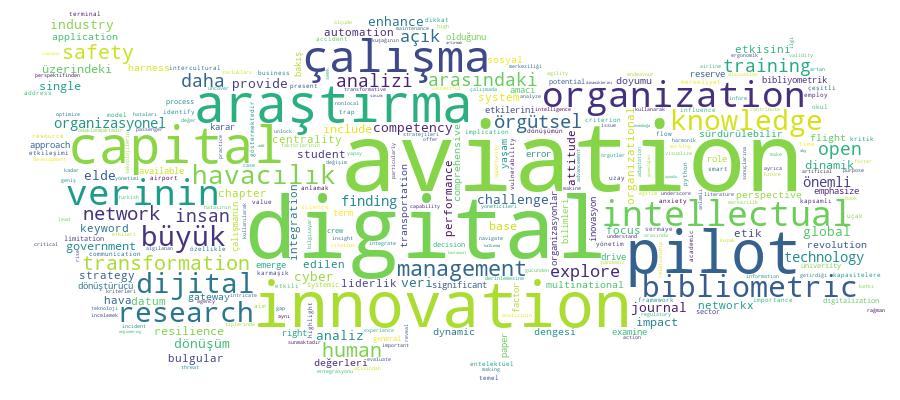
Competency Cloud
19 results
Scholarly Output Search Results
Now showing 1 - 10 of 19
Book Citation - Scopus: 7Harnessing Digital Innovation for Air Transportation(IGI Global, 2024) Yilmaz,A.A.The aviation industry faces an unprecedented challenge - the digital transformation revolution. While digital technologies promise immense benefits in terms of efficiency, safety, and passenger experience, they also bring forth intricate challenges. Navigating through complex regulatory frameworks and safeguarding against cybersecurity risks has become a paramount concern for aviation professionals and academics alike. The industry's future success hinges on its ability to adapt to this digital revolution while effectively managing the potential pitfalls it presents. Harnessing Digital Innovation for Air Transportation emerges as a timely and comprehensive solution for academic scholars in aviation management. It offers a profound exploration of how digital innovations are shaping various facets of aviation and provides in-depth strategies to address the challenges presented by this digital revolution. From understanding the impact of digital transformation to harnessing data analytics, managing safety, enhancing the passenger experience, and delving into emerging technologies, this book equips readers with the knowledge and tools to thrive in the digital age of aviation. For aviation professionals, including airline managers, airport administrators, air traffic controllers, and regulatory authorities, this book is a vital resource to stay ahead in a rapidly changing industry. Academics and researchers exploring the intersection of aviation and digital technologies will find it invaluable for deepening their understanding and informing their work. Whether you seek to optimize operations, bolster safety, enhance passenger satisfaction, or future-proof your aviation career, Harnessing Digital Innovation for Air Transportation is an indispensable guide to conquer the challenges and seize the opportunities of the digital revolution in air transportation. © 2024 by IGI Global. All rights reserved.Article From Simulators To Skies: Engineering and Educational Advancements in Pilot Training: a Bibliometric Perspective(2025) Yılmaz, Ayşe AslıThe integration of advanced engineering innovations into pilot training has brought transformative changes to aviation education, emphasizing the role of technologies such as flight simulators, virtual reality (VR), augmented reality (AR), and artificial intelligence (AI). This study employs a bibliometric analysis to explore research trends, influential contributors, and thematic focuses in pilot training from 2000 to 2025, using data from 350 peer-reviewed articles indexed in the Web of Science. Findings reveal a significant rise in publications during the last decade, driven by advancements in simulation technologies, competency-based training, and human factors research. While the field has experienced rapid technological evolution, challenges such as cost barriers, integration complexities, and gaps in long-term performance evaluation remain. This paper highlights emerging trends, including competency-based training and assessment (CBTA) and scenario-based training (SBT) as well as physiological monitoring, offering a comprehensive roadmap for future research and innovation in aviation training.Article X, Y, Z Kuşaklari Perspektifinden Çalışma Değerleri ve İş-Yaşam Dengesi(2023) Aytaç, Gökhan; Çiğdemoğlu, Ceyhan; Yılmaz, Ayşe Aslı; Tuzlukaya, ŞuleKuşak farklılıkları teknoloji, sosyal, ekonomik değişimler ve kültürel değişimler gibi çeşitli faktörler tarafından şekillendirilebilir. X, Y, Z kuşakları perspektifinden bakıldığında çalışma değerleri ve iş-yaşam dengesi arasında ilişkinin ne şekilde geliştiği öne çıkmaktadır. Bu sebeple araştırmada, kuşak farklılıklarının iş yaşam dengesi ve çalışma değerleri arasındaki ilişki incelenmiş ve bu doğrultuda, iş hayatının yöneticileri olan X kuşağının, genç yöneticileri ve profesyonelleri olan Y kuşağının ve iş hayatına yeni başlayan Z kuşağının iş yaşam dengesi ve çalışma değerleri arasındaki farklılıklar ve benzerlikler incelenmiştir. Bu yönüyle literatürde yapılmış ilk çalışma niteliğindedir. Çalışma, nicel araştırma desenlerinden kesitsel tarama modeli olarak tasarlanmıştır. Çalışmaya enerji sektöründen kolayda örnekleme stratejisi ile 343 örneklem katılmıştır. Elde edilen bulgulara göre, çalışma değerleri perspektifinden bakıldığında kuşak farklılıkları ve gelir düzeyi değişkeni açısından istatistiksel olarak anlamlı bir fark saptanmamış olmasına rağmen cinsiyetin çalışma değerlerini etkilediği görülmüştür. İş yaşam dengesi ölçeğinin uygulaması sonrasında ise değişkenler arasında sadece gelir düzeyinin anlamlı bir fark yarattığı tespit edilmiştir.Article Havacılık Sektöründe Dijital Dönüşüm ile Dinamik Yeteneklerin Harmonik Merkezcilik Yoluyla Çözümlenmesi(2023) Yılmaz, Ayşe Aslı; Tuzlukaya, ŞuleHavacılık sektörü, Toplum 5.0'ın yükselişinden ve dijital dönüşümün başlangıcından fayda sağlayabilen sektörler arasındadır. Bu araştırmanın temel amacı, dijitalleşmenin havacılık endüstrisindeki dinamik kapasitelere etkilerini incelemek, özellikle de havaalanı işletmelerine özel bir vurgu yapmaktır. Özelikle çalışmada ağ analizinin analitik yeteneklerini kullanarak, dijital dönüşümün dinamik kapasitelere etkilerini anlamak açısından ne kadar önemli olduğunu incenlenmiştir. Temel araştırma sorusu, ağ analizinin dijital dönüşümün dinamik kapasitelere etkisini daha derinlemesine anlamak için bir araç olarak kullanım potansiyelini incelemek üzerine kurgulanmıştır. Bu kapsamda Ankara şehrinde bulunan Esenboğa Havalimanı'nda gerçekleştirilen çalışmada, ağ araştırmalarından türetilen bir merkeziyet ölçümü olan Harmonik Merkezilik'i kullanılmış ve bunu Python programlama dili üzerine kurulu NetworkX kullanarak uygulanmıştır. Ağ analizinin Harmonik Merkezilik ile birleştirilerek kullanılması, dijital dönüşümün dinamik kapasitelere etkisini anlamak için farklı bir bakış açısı sunar.Article Yapay Zekâ Entegrasyonu ve Sosyal İnovasyon: Sürdürülebilir Kalkınma Amaçlarıyla Uyumlu Disiplinlerarası Araştırma Eğilimleri(2024) Yılmaz, Ayşe AslıBu çalışma, Yapay Zeka (YZ), Makine Öğrenimi, Doğal Dil İşleme (NLP) ve Prompt Mühendisliği'nin sosyal bilimlere entegrasyonunu ve bu teknolojilerin işbirlikçi ağlar, tematik gelişmeler ve Sürdürülebilir Kalkınma Amaçları (SKA'lar) ile uyumlu araştırma eğilimleri üzerindeki etkilerini incelemektedir. Bibliyometrik analiz ve konu modelleme yöntemlerini kullanan araştırma, son on yılı kapsayan Web of Science (WoS) veri tabanından elde edilen 389 yayını analiz etmektedir. Bulgular, bu teknolojilerin sosyal bilimlerle kesişiminde disiplinlerarası araştırmalarda önemli bir büyüme olduğunu ve özellikle yönetim, işletme ve çevre çalışmaları alanlarında kayda değer katkılar yapıldığını ortaya koymaktadır. Çalışma, YZ'nin ürün geliştirmede yenilikçi uygulamaları, enerji sektöründeki ilerlemeler ve eğitim ile sağlık alanlarındaki kullanımı gibi ana temaları belirlemektedir. Araştırma, YZ'nin sürdürülebilir kalkınmayı desteklemedeki dönüştürücü potansiyeline vurgu yaparken, etik kaygıların ele alınmasının ve sorumlu bir şekilde uygulanmasının önemine de dikkat çekmektedir. Bu çalışma, YZ ve ilgili teknolojilerin sosyal bilimleri nasıl yeniden şekillendirdiği ve küresel sürdürülebilirlik hedeflerine ulaşmada oynadığı rol hakkında daha derin bir anlayışa katkı sağlamaktadır.Article Unlocking the Power: How Digital Transformation Fuels Intellectual Capital(2024) Yılmaz, Ayşe AslıPurpose – This paper aims to explore the transformative impact of digitalization within the aviation sector, with a specific focus on airport terminal management. The primary objective is to understand how digitalization influences and reshapes the various facets of the industry, particularly in terms of intellectual capital. Design/Methodology/Approach – This study employs a conceptual overview to examine the impact of digitalization on intellectual capital in aviation management. By analyzing the integration of digital technologies, the study explores their effects on human, structural, and relational capital. The conceptual framework is enhanced by detailed network analysis using the NetworkX library, offering an in-depth examination of the relationships between elements of intellectual capital and digital transformation criteria. Findings – The study uncovers the intricate relationships defining TAV Holding and its subsidiary entities, providing insights into the dynamic interplay of power, influence, and intellectual capital within the aviation sector. It reveals how digital transformation criteria are crucial in enhancing intellectual capital, which includes human, structural, and relational capital. The findings emphasize the role of digital technologies in streamlining processes, improving decision-making, and fostering innovation. Discussion – This paper contributes to the body of knowledge by highlighting the original value of studying the impact of digitalization on intellectual capital in the aviation sector. It underscores the importance of digital transformation criteria in enriching intellectual capital and fostering resilience in a rapidly evolving industry landscape. The discussion also addresses the broader implications of these findings for the aviation industry and its stakeholders, suggesting that embracing digitalization can lead to more effective and efficient airport terminal management.Book Part Citation - Scopus: 1Knowledge flows through unbounded innovation(IGI Global, 2022) Yilmaz,A.A.; Tuzlukaya,S.Beyond the boundaries of the organizations, they act fearlessly to adopt open innovation tactics and models in order to gain access to the necessary resources. In open innovation, "open" refers the sharing of organizational tacit knowledge. Knowledge management is essential in organizations because it promotes the development of a successful organizational business model and makes a difference in completing various organizational tasks and forms that may lead to the discovery of new knowledge. This journey starts from the flow of information and takes organizations toward innovation that has no boundaries. For this reason, the research question involves the kind of relationship that exists between knowledge flow and open innovation. This chapter aims to illustrate the importance of knowledge flow through unbounded innovation, particularly the correspondence between aspects of knowledge management and open innovation. © 2022, IGI Global. All rights reserved.Book Part Citation - Scopus: 2Smart Working Strategies Unlocking Innovation and Entrepreneurship With Resilience, Agility, and Dynamic Capabilities(IGI Global, 2023) Yilmaz,A.A.The rise of smart working has revolutionized the way organizations operate, presenting new strategies and courses of action for innovation and entrepreneurial growth. This book chapter proposes research into the strategies and management practices that organizations can employ within the framework of resilience, agility, and dynamic capabilities to unlock and harness innovation capabilities and entrepreneurial opportunities in the context of smart working. By examining the interplay between these concepts, this chapter seeks to uncover practical insights and provide guidance for organizations in maximizing the potential of smart working for innovation and entrepreneurship. © 2024, IGI Global. All rights reserved.Article Açık İnovasyonun Dinamiklerini Ortaya Çıkarmak: Kavramsal Bir Keşif(2023) Yılmaz, Ayşe Aslı; Yılmaz, Ayşe AslıSon Bu çalışma, açık inovasyonun karmaşık alanlarını keşfetmeyi amaçlamaktadır. \"Açık\" kelimesi, örgütsel bilginin açıkça paylaşılma eylemini ifade eder. Organizasyonlar, geleneksel sınırları aşmak ve gerekli kaynakları elde etmek amacıyla açık inovasyon yaklaşımlarını benimseyerek genişlemektedir. Çalışmanın temel amacı, global ve yerel bakış açıları içeren bir kavramsal çerçeve içinde nonlocal merkeziyet ölçümlerini kapsayan detaylı bir inceleme, karşılaştırma ve analiz sunmaktır. Python NetworkX Programlama Dili kullanılarak, Degree Centrality, Closeness Centrality, Eigenvector Centrality, Betweenness Centrality, Modularity, Community Detection, Vote Rank ve Digital Flaneurs gibi ağ analizi metodolojilerinin kullanımını araştırmaktadır. Bu çalışma, nonlocal merkeziyet ölçümleri, dinamik yetenekler ve açık inovasyon stratejileri arasındaki karmaşık etkileşimi daha iyi anlamak ve incelemek amacını taşımaktadır. Dolayısıyla, açık inovasyon yaklaşımları, dinamik yetenekler ve nonlocal merkeziyet ölçümleri arasındaki bu karmaşık ilişki üzerine sağladığı değerli bakış açılarıyla bilimsel literatüre önemli bir katkı sunmaktadır. Ayrıca, bu araştırma, organizasyonların modern dijital ortamın getirdiği karmaşık zorlukları etkili bir şekilde yönetme, yenilik elde etme ve rekabet avantajını sürdürme konusundaki geniş bilimsel tartışmalara da katkıda bulunmaktadır.Conference Object AI Trustworthiness and Student Pilots: Exploring Attitudes, Anxieties, and Adaptation Performance(Elsevier B.V., 2025) Ceken, S.; Yilmaz, A.A.; Acar, A.B.This research explores the attitudes of student pilots toward artificial intelligence (AI) applications within the aviation sector, with a focus on their adaptation processes and potential challenges. The recent release of the "EASA AI Roadmap 2.0"by the European Union Aviation Safety Agency (EASA) underscores the growing impact of AI on aviation, driving the emergence of new business models and emphasizing a human-centric approach to AI integration within the aviation industry. This study addresses a significant gap in the literature by examining student pilots' perspectives on AI, specifically focusing on AI trustworthiness, attitudes, anxieties, and adaptation performance. The study utilizes a quantitative research approach, collecting data from 150 student pilots through surveys. Preliminary results from 106 respondents indicate varied attitudes toward AI, with significant implications for AI-supported cockpit assistant systems and the broader aviation industry. The study sample consisted of 106 (Mage = 23.6, SDage= 4.64; 79% male) student pilots from of university pilot training departments and various flight school in Turkey. Collected data were analyzed on SPSS 29. The study revealed that Sociotechnical Blindness AI anxiety is a significant predictor of general attitudes toward AI among student pilots. This finding suggests that higher levels of anxiety related to the perceived complexity and potential unintended consequences of AI are associated with more positive general attitudes toward AI. The findings emphasize the need for a human-centric approach to AI integration, highlighting the importance of trust, transparency, and adaptive training in the successful adoption of AI technologies in aviation. © 2024 The Authors. Published by ELSEVIER B.V.
