
Tevlek, Atakan
Loading...
Profile URL
Name Variants
Tevlek, A.
Tevlek, Atakan
T., A.
Tevlek, Atakan
T., A.
Job Title
Doktor Öğretim Üyesi
Email Address
atakan.tevlek@atilim.edu.tr
Main Affiliation
Basic Sciences
Status
Current Staff
Website
ORCID ID
Scopus Author ID
Turkish CoHE Profile ID
Google Scholar ID
WoS Researcher ID
Sustainable Development Goals
2
ZERO HUNGER

0
Research Products
11
SUSTAINABLE CITIES AND COMMUNITIES

0
Research Products
14
LIFE BELOW WATER

0
Research Products
6
CLEAN WATER AND SANITATION

0
Research Products
1
NO POVERTY

0
Research Products
5
GENDER EQUALITY

0
Research Products
9
INDUSTRY, INNOVATION AND INFRASTRUCTURE

0
Research Products
16
PEACE, JUSTICE AND STRONG INSTITUTIONS

0
Research Products
17
PARTNERSHIPS FOR THE GOALS

0
Research Products
15
LIFE ON LAND

0
Research Products
10
REDUCED INEQUALITIES

0
Research Products
7
AFFORDABLE AND CLEAN ENERGY

0
Research Products
8
DECENT WORK AND ECONOMIC GROWTH

0
Research Products
4
QUALITY EDUCATION

0
Research Products
12
RESPONSIBLE CONSUMPTION AND PRODUCTION

0
Research Products
3
GOOD HEALTH AND WELL-BEING

4
Research Products
13
CLIMATE ACTION

0
Research Products

Documents
25
Citations
408
h-index
11

Documents
24
Citations
382

Scholarly Output
8
Articles
8
Views / Downloads
40/433
Supervised MSc Theses
0
Supervised PhD Theses
0
WoS Citation Count
34
Scopus Citation Count
41
WoS h-index
4
Scopus h-index
4
Patents
0
Projects
0
WoS Citations per Publication
4.25
Scopus Citations per Publication
5.13
Open Access Source
3
Supervised Theses
0
Google Analytics Visitor Traffic
| Journal | Count |
|---|---|
| Arşiv Kaynak Tarama Dergisi | 1 |
| Biotechnology and Bioengineering | 1 |
| Journal of Fluorescence | 1 |
| Journal of Orthopaedic Reports | 1 |
| Life Sciences | 1 |
Current Page: 1 / 2
Scopus Quartile Distribution
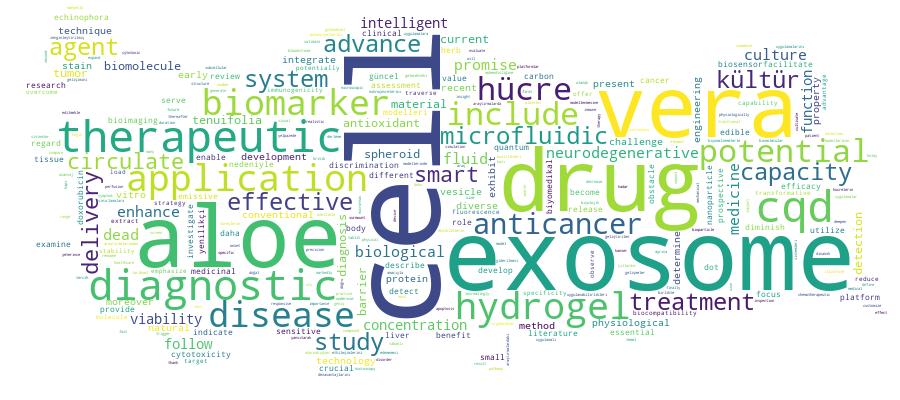
Competency Cloud
8 results
Scholarly Output Search Results
Now showing 1 - 8 of 8
Review Citation - WoS: 4Citation - Scopus: 4Smart Hydrogels in Lab-On (loc) Applications(Elsevier, 2024) Tevlek, Atakan; Cretin, Esin AkbayLaboratory on-chip (LOC) technology facilitates numerous developments across diverse disciplines, such as medicine, tissue engineering, materials science, biomedical engineering, and biotechnology. Moreover, the potential applications appear boundless when LOC is integrated with intelligent hydrogels. In the literature, however, there are few accounts of the vast array of developments and applications that this combination has spawned. These new systems, which integrate smart hydrogels and LOC and thus significantly advance cuttingedge technology, have been thoroughly examined in this review. The functions of smart hydrogels in LOC applications were described and subsequently the developed intelligent hydrogels were classified as multiresponsive, thermo-responsive, pH-responsive, and stimuli-responsive (light, magnetic, and electric). Following this, details regarding tunable properties for LOC functions were provided, followed by a discussion of the fabrication processes and integration of these intelligent hydrogels into LOC systems, including their benefits and drawbacks. Following that, current literature examples of LOC systems utilizing these intelligent hydrogels for biosensing, 3D culture, tissue engineering, controlled release, personalized medicine, drug delivery, analyte enrichment, and organ-on-a-chip applications were presented. Following the presentation of state-of-the-art information regarding smart hydrogel characterization techniques, present challenges and prospective prospects were discussed.Article Citation - WoS: 2Citation - Scopus: 2Assessment of Anticancer Effects of Aloe Vera on 3D Liver Tumor Spheroids in a Microfluidic Platform(Wiley, 2025) Tevlek, Atakan; Kibar, Gunes; Cetin, BarbarosThe search for effective anticancer therapies has increasingly focused on natural compounds like Aloe vera, renowned for its therapeutic properties. This study investigates the anticancer properties of Aloe vera on 3D liver tumor spheroids via a PDMS-based microfluidic device, providing a more physiologically realistic model compared to traditional 2D cultures. HepG2 cells were cultivated to generate 3D spheroids on-chip, thereafter subjected to different concentrations of Aloe vera and the chemotherapeutic drug Doxorubicin to evaluate cytotoxic effects. The microfluidic system, validated by COMSOL simulations, facilitated continuous perfusion and real-time assessment of cell viability over a duration of 10 days. The results indicated that Aloe vera markedly diminished cell viability by triggering apoptosis at concentrations over 12.5 mg/mL. IC50 values were determined at 72 h: 25 +/- 0.10 mg/mL for Aloe vera and 5.47 +/- 0.03 mu g/mL for Doxorubicin in 2D cultures, but in 3D cultures, the IC50 values were 31.25 +/- 0.14 mg/mL for Aloe vera and 8.33 +/- 0.05 mu g/mL for Doxorubicin. This study underscores the promise of Aloe vera as a natural anticancer agent and illustrates the efficacy of microfluidic platforms for enhanced drug screening and customized medicine applications.Article Musculoskeletal Tumors in Orthopaedic Oncology: Current Concepts, Challenges, and Multidisciplinary Management(Elsevier B.V., 2026) Çepni, S.; Sezgin, B.S.; Arıcan, N.; Akkurt, M.O.; Hatipoglu, P.T.; Duran, S.; Tevlek, A.Orthopedic oncology encompasses the diagnosis and treatment of both benign and malignant bone and soft tissue tumors, necessitating a multidisciplinary approach for optimal care. This review provides a thorough examination of modern treatment modalities, encompassing surgical procedures, chemotherapy, radiotherapy, and rehabilitation. It emphasizes the importance of the collaborative effort between orthopedic surgeons, radiologists, oncologists, and pathologists. Continuous collaboration among these disciplines not only improves diagnostic precision but also facilitates timely decision-making throughout the patient's treatment journey. The synergy of multidisciplinary expertise fosters diagnostic accuracy, individualized therapeutic strategies, and superior patient outcomes through coordinated, evidence-driven decision-making. This review promotes the ongoing improvement of multidisciplinary care in orthopedic oncology by incorporating recent research findings and advancements, with the objective of enhancing the quality of life and treatment success of patients with musculoskeletal malignancies. © 2026 The AuthorsArticle İki-Boyutlu ve Üç-Boyutlu Hücre Kültür Modellerinde Güncel Gelişmeler ve Uygulamalar(2025) Kıbar, Gunes; Tevlek, AtakanHücre kültür modelleri, temel ve uygulamalı biyomedikal araştırmalarda kritik bir araç olarak kullanılmaktadır. Geleneksel 2-boyutlu (2B) hücre kültür sistemleri, basitlikleri ve kolay uygulanabilirlikleri nedeniyle uzun yıllardır tercih edilmekle birlikte, hücrelerin doğal mikroçevrelerini yeterince taklit edememesi nedeniyle bazı sınırlamalara sahiptir. Bu eksikliklerin giderilmesi amacıyla geliştirilen 3-boyutlu (3B) hücre kültür modelleri, hücre-hücre ve hücre-matriks etkileşimlerini daha iyi yansıtarak biyolojik süreçlerin daha doğru bir şekilde modellenmesine olanak sağlamaktadır. Özellikle mikroakışkan tabanlı sistemler, organoidler ve biyomalzemelerle zenginleştirilmiş 3B platformlar, kanser araştırmalarından doku mühendisliğine kadar geniş bir yelpazede yenilikçi uygulamalara kapı aralamıştır. Bu derleme, 2B ve 3B hücre kültür modellerinin tarihsel gelişimini, avantaj ve dezavantajlarını, güncel uygulamalarını ve biyomedikal araştırmalardaki gelecekteki potansiyellerini ele almaktadır. Ayrıca, dinamik ve manyetik hücre kültürü gibi ileri teknolojilerin 3B modeller üzerindeki etkileri tartışılarak, bu alandaki yenilikçi yaklaşımlar için bir perspektif sunulmaktadır.Review Citation - WoS: 1Citation - Scopus: 1Diagnostic Use of Circulating Cells and Sub-Cellular Bio-Particles(Pergamon-elsevier Science Ltd, 2024) Tevlek, AtakanIn the bloodstream or other physiological fluids, "circulating cells and sub-cellular bio-particles" include many microscopic biological elements such as circulating tumor cells (CTCs), cell-free DNA (cfDNA), exosomes, microRNAs, platelets, immune cells, and proteins are the most well-known and investigated. These structures are crucial biomarkers in healthcare and medical research for the early detection of cancer and other disorders, enabling treatment to commence before the onset of clinical symptoms and enhancing the efficacy of treatments. As the size of these biomarkers to be detected decreases and their numbers in body fluids diminishes, the detection materials, ranging from visual inspection to advanced microscopy techniques, begin to become smaller, more sensitive, faster, and more effective, thanks to developing nanotechnology. This review first defines the circulating cells and subcellular bio-particles with their biological, physical, and mechanical properties and second focuses on their diagnostic importance, including their most recent applications as biomarkers, the biosensors that are utilized to detect them, the present obstacles that must be surmounted, and prospective developments in the domain. As technology advances and biomolecular pathways are deepens, diagnostic tests will become more sensitive, specific, and thorough. Finally, integrating recent advances in the diagnostic use of circulating cells and bioparticles into clinical practice is promising for precision medicine and patient outcomes.Article Citation - WoS: 9Citation - Scopus: 11Expanding the Role of Exosomes in Drug, Biomolecule, and Nanoparticle Delivery(Pergamon-elsevier Science Ltd, 2025) Saka, Ongun Mehmet; Dora, Devrim Demir; Kibar, Gunes; Tevlek, AtakanExosomes are nanoscale extracellular vesicles released by diverse cell types, serving essential functions in intercellular communication and physiological processes. These vesicles have garnered considerable interest in recent years for their potential as drug delivery systems, attributed to their natural origin, minimal immunogenicity, high biocompatibility, and capacity to traverse biological barriers, including the blood-brain barrier. Exosomes can be obtained from diverse biological fluids, rendering them accessible and versatile vehicles for therapeutic medicines. This study emphasizes the burgeoning significance of exosomes in drug administration, concentrating on their benefits, including improved stability, target selectivity, and the capacity to encapsulate various biomolecules, such as proteins, nucleic acids, and small molecules. Notwithstanding their potential applications, other problems remain, including as effective drug loading, industrial scalability, and the standardization of isolation methodologies. Overcoming these hurdles via new research is essential for fully harnessing the promise of exosomes in therapeutic applications, especially in the treatment of intricate diseases like cancer and neurological disorders.Article Citation - WoS: 12Citation - Scopus: 17Exosomes as Biomarkers and Therapeutic Agents in Neurodegenerative Diseases: Current Insights and Future Directions(Springer, 2025) Dehghani, Sam; Ocakci, Ozgecan; Hatipoglu, Pars Tan; Ozalp, Veli Cengiz; Tevlek, AtakanNeurodegenerative diseases (NDs) like Alzheimer's, Parkinson's, and ALS rank among the most challenging global health issues, marked by substantial obstacles in early diagnosis and effective treatment. Current diagnostic techniques frequently demonstrate inadequate sensitivity and specificity, whilst conventional treatment strategies encounter challenges related to restricted bioavailability and insufficient blood-brain barrier (BBB) permeability. Recently, exosomes-nanoscale vesicles packed with proteins, RNAs, and lipids-have emerged as promising agents with the potential to reshape diagnostic and therapeutic approaches to these diseases. Unlike conventional drug carriers, they naturally traverse the BBB and can deliver bioactive molecules to affected neural cells. Their molecular cargo can influence cell signaling, reduce neuroinflammation, and potentially slow neurodegenerative progression. Moreover, exosomes serve as non-invasive biomarkers, enabling early and precise diagnosis while allowing real-time disease monitoring. Additionally, engineered exosomes, loaded with therapeutic molecules, enhance this capability by targeting diseased neurons and overcoming conventional treatment barriers. By offering enhanced specificity, reduced immunogenicity, and an ability to bypass physiological limitations, exosome-based strategies present a transformative advantage over existing diagnostic and therapeutic approaches. This review examines the multifaceted role of exosomes in NDDs, emphasizing their diagnostic capabilities, intrinsic therapeutic functions, and transformative potential as advanced treatment vehicles.Article Citation - WoS: 6Citation - Scopus: 6Dead Cell Discrimination With Red Emissive Carbon Quantum Dots From the Medicinal and Edible Herb Echinophora Tenuifolia(Springer/Plenum Publishers, 2025) Ozdemir, Naciye; Tan, Gamze; Tevlek, Atakan; Arslan, Gulsin; Zengin, Gokhan; Sargin, IdrisAccurately determining the viability of cells is crucial for in vitro cell research. Fluorescence-based live/dead cell staining is a highly desirable method to assess cell viability and survival in in vitro studies. We describe a green synthesis method to create red-emissive CQDs from the medicinal and edible herb Echinophora tenuifolia using microwave irradiation. We observed that the biocompatibility and photostability of the CQDs are superior. The antioxidant capacity of the CQDs and the plant extract were also investigated using different chemical methods (DPPH, ABTS, CUPRAC, FRAP, PBD, and MCA). The antioxidant capacity of the CQDs was similar to that of the extract of E. tenuifolia. Cytotoxicity studies indicate that while the CQDs are not toxic to L929, they exhibit significant toxicity towards HepG2 cells. The CQDs exhibited a strong negative zeta potential (-44.0 mV), which contributed to their selective interaction with dead cells while being repelled by viable cells with intact membrane potentials. The optimal concentration for effective, non-toxic imaging was determined to be 25 mu g/mL, as lower concentrations did not produce detectable fluorescence. Differential staining experiments confirmed that CQDs selectively stained dead cells, with red fluorescence observed under the Texas Red filter. Moreover, CQDs exhibited favorable fluorescence intensity and stability, which may offer advantages for long-term and reliable bioimaging applications. In vitro studies on HepG2 and L929 cell lines revealed that the red-emissive CQDs from E. tenuifolia can be potentially used in bioimaging.
