
Dursun, Ali Doğan
Loading...
Profile URL
Name Variants
Dursun, Ali D. D.
D. Dursun
D.,Ali Dogan
Dursun A.
A., Dursun
Dursun, Ali
Ali Doan
Dursun, Ali Dogan
Dursun, A. D.
A.,Dursun
Dursun,A.D.
D., Ali Doğan
Dursun, Ali Doğan
D.,Ali Doğan
A.D.Dursun
Ali Doğan, Dursun
A. D. Dursun
Dursun, Ali D.
Ali Dogan, Dursun
D., Ali Dogan
D. Dursun
D.,Ali Dogan
Dursun A.
A., Dursun
Dursun, Ali
Ali Doan
Dursun, Ali Dogan
Dursun, A. D.
A.,Dursun
Dursun,A.D.
D., Ali Doğan
Dursun, Ali Doğan
D.,Ali Doğan
A.D.Dursun
Ali Doğan, Dursun
A. D. Dursun
Dursun, Ali D.
Ali Dogan, Dursun
D., Ali Dogan
Job Title
Doçent Doktor
Email Address
ali.dursun@atilim.edu.tr
Main Affiliation
Basic Sciences
Status
Website
ORCID ID
Scopus Author ID
Turkish CoHE Profile ID
Google Scholar ID
WoS Researcher ID
Sustainable Development Goals
5
GENDER EQUALITY

1
Research Products
14
LIFE BELOW WATER

2
Research Products
10
REDUCED INEQUALITIES

0
Research Products
3
GOOD HEALTH AND WELL-BEING

17
Research Products
2
ZERO HUNGER

0
Research Products
9
INDUSTRY, INNOVATION AND INFRASTRUCTURE

1
Research Products
16
PEACE, JUSTICE AND STRONG INSTITUTIONS

1
Research Products
11
SUSTAINABLE CITIES AND COMMUNITIES

0
Research Products
8
DECENT WORK AND ECONOMIC GROWTH

0
Research Products
13
CLIMATE ACTION

0
Research Products
4
QUALITY EDUCATION

0
Research Products
6
CLEAN WATER AND SANITATION

1
Research Products
1
NO POVERTY

0
Research Products
15
LIFE ON LAND

0
Research Products
17
PARTNERSHIPS FOR THE GOALS

0
Research Products
7
AFFORDABLE AND CLEAN ENERGY

1
Research Products
12
RESPONSIBLE CONSUMPTION AND PRODUCTION

0
Research Products

This researcher does not have a Scopus ID.

Documents
71
Citations
530

Scholarly Output
41
Articles
38
Views / Downloads
10/0
Supervised MSc Theses
1
Supervised PhD Theses
0
WoS Citation Count
240
Scopus Citation Count
251
WoS h-index
10
Scopus h-index
11
Patents
0
Projects
0
WoS Citations per Publication
5.85
Scopus Citations per Publication
6.12
Open Access Source
25
Supervised Theses
1
Google Analytics Visitor Traffic
| Journal | Count |
|---|---|
| International Journal of General Medicine | 4 |
| Drug Design, Development and Therapy | 3 |
| Medicina | 3 |
| Gazi Medical Journal | 2 |
| Bratislava Medical Journal | 2 |
Current Page: 1 / 6
Scopus Quartile Distribution
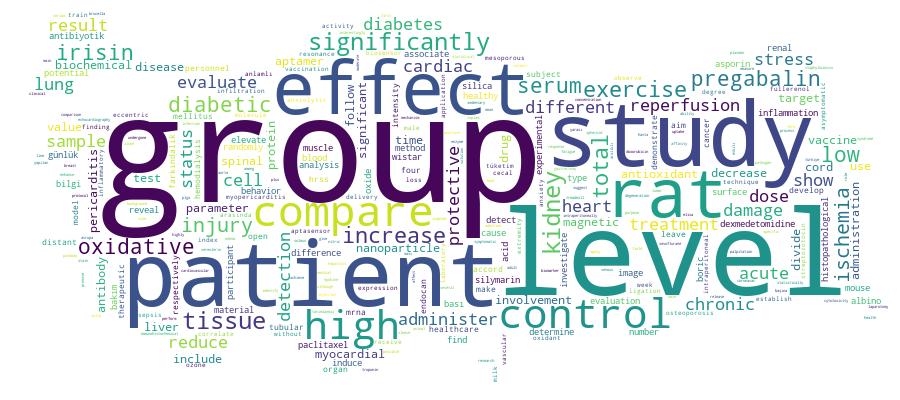
Competency Cloud
37 results
Scholarly Output Search Results
Now showing 1 - 10 of 37
Article Citation - WoS: 4Citation - Scopus: 4Effects of Cerium Oxide on Kidney and Liver Tissue Damage in an Experimental Myocardial Ischemia-Reperfusion Model of Distant Organ Damage(Mdpi, 2024) Gunes, Isin; Dursun, Ali Dogan; Ozdemir, Cagri; Kucuk, Aysegul; Sezen, Saban Cem; Arslan, Mustafa; Ozer, AbdullahBackground and Objectives: Ischemia-reperfusion (I/R) injury is a process in which impaired perfusion is restored by restoring blood flow and tissue recirculation. Nanomedicine uses cutting-edge technologies that emerge from interdisciplinary influences. In the literature, there are very few in vivo and in vitro studies on how cerium oxide (CeO2) affects systemic anti-inflammatory response and inflammation. Therefore, in our study, we aimed to investigate whether CeO2 administration has a protective effect against myocardial I/R injury in the liver and kidneys. Materials and Methods: Twenty-four rats were randomly divided into four groups after obtaining approval from an ethics committee. A control (group C), cerium oxide (group CO), IR (group IR), and Cerium oxide-IR (CO-IR group) groups were formed. Intraperitoneal CeO2 was administered at a dose of 0.5 mg/kg 30 min before left thoracotomy and left main coronary (LAD) ligation, and myocardial muscle ischemia was induced for 30 min. After LAD ligation was removed, reperfusion was performed for 120 min. All rats were euthanized using ketamine, and blood was collected. Liver and kidney tissue samples were evaluated histopathologically. Serum AST (aspartate aminotransferase), ALT (alanine aminotransaminase), GGT (gamma-glutamyl transferase), glucose, TOS (Total Oxidant Status), and TAS (Total Antioxidant Status) levels were also measured. Results: Necrotic cell and mononuclear cell infiltration in the liver parenchyma of rats in the IR group was observed to be significantly increased compared to the other groups. Hepatocyte degeneration was greater in the IR group compared to groups C and CO. Vascular vacuolization and hypertrophy, tubular degeneration, and necrosis were increased in the kidney tissue of the IR group compared to the other groups. Tubular dilatation was significantly higher in the IR group than in the C and CO groups. TOS was significantly higher in all groups than in the IR group (p < 0.0001, p < 0.0001, and p = 0.006, respectively). However, TAS level was lower in the IR group than in the other groups (p = 0.002, p = 0.020, and p = 0.031, respectively). Renal and liver histopathological findings decreased significantly in the CO-IR group compared to the IR group. A decrease in the TOS level and an increase in the TAS level were found compared to the IR group. The AST, ALT, GGT, and Glucose levels are shown. Conclusions: CeO2 administered before ischemia-reperfusion reduced oxidative stress and ameliorated IR-induced damage in distant organs. We suggest that CeO2 exerts protective effects in the myocardial IR model.Article Citation - WoS: 8Ozone Administration Reduces Myocardial Ischemia Reperfusion Injury in Streptozotocin-Induced Diabetes Mellitus Rat Model(Baycinar Medical Publishing, 2024) Gulcan, M.B.; Demirtas, H.; Ozer, A.; Yıgman, Z.; Dursun, A.D.; Arslan, M.; Oktar, G.L.Objective: This study aimed to investigate the effects of ozone therapy on myocardial ischemia/reperfusion injury in a diabetic rat model. Methods: The experimental study included 38 male Wistar Albino rats weighing between 200 and 250 g. The rats were randomly assigned to five groups. The sham group included six rats, while the other groups had eight rats each. The other groups were the diabetic ozone group, the diabetic group, the diabetic ischemia/reperfusion group (DIR), and the diabetic ischemia/reperfusion ozone group (DIRO). A total of 32 rats received 65 mg/kg streptozotocin, and a week after the administration, diabetes was confirmed by measuring blood sugar. The rats were fed ad libitum for 40 days to reveal macrovascular complications of diabetes. Malondialdehyde, catalase, superoxide dismutase, paraoxonase-1, total oxidative status, total antioxidant status, and oxidative stress index were assessed. A TUNEL (terminal deoxynucleotidyl transferase dUTP nick end labeling) assay was employed to assess apoptosis. Results: Histologic and biochemical assessments showed the benefits of ozone in myocardial ischemia/reperfusion injury in diabetic rats. The DIRO group was found to be superior to the DIR group. Conclusion: Ozone has cardioprotective effects in streptozotocin-induced diabetic rats through its antioxidant properties against oxidative stress. The study is unique in terms of ozone’s protective effects in diabetic rats against myocardial ischemia/reperfusion injury. However, further studies are needed to confirm our findings. © (2024), (Baycinar Medical Publishing). All rights reserved.Article Citation - WoS: 11Citation - Scopus: 13Protective Effects of Hydrogen Rich Saline Solution in Rats With Experimental Myocardial Ischemia Reperfusion Injury(Cell Press, 2023) Koksal, Zeynep; Kurtipek, Omer; Arslan, Mustafa; Dursun, Ali Dogan; Yigman, Zeynep; Ozer, AbdullahAim: The aim of our study is to show whether the administration of hydrogen-rich saline solution (HRSS) intraperitoneally before left main coronary artery (LAD) ischemia protects the myocardium against ischemia-reperfusion (IR) injury.Materials and methods: After ethics committee approval, 24 Wistar Albino rats were divided into 4 groups, 6 rats in each group. For experimental IR, myocardial ischemia was performed by LAD ligation. Left thoracotomy was performed without ischemia in the Control group (Group C). Left thoracotomy was performed without myocardial ischemia to the rats in the HRSS group, and HRSS was given intraperitoneally (ip) at a rate of 10 ml/kg throughout the procedure. In the MIRHRSS group, a single dose of 10 ml/kg HRSS was administered 5 min before reperfusion. Histopathological and biochemical parameters were compared in myocardial tissue samples taken at the end of the reperfusion period.Results: When the groups were compared among themselves in terms of TOS and TAS levels, there was a significant difference between the groups (p = 0.006, p = 0.002). The severity of cardiomyocyte degeneration was significantly greater in MIR group than that in the control and HRSS groups (p = 0.002 and p = 0.001, respectively), as well as severity score of cardiomyocyte degeneration was higher in MIR-HRSS group compared with HRSS group (p = 0.035).Conclusion: Our study shows that HRSS is protective in IR injury, with the application of HRSS 5 min before reperfusion, interstitial edema severity, subendocardial haemorrhage are reduced, and oxidant status parameters are increased, while antioxidant status parameters are decreased. We believe that when it is supported by other studies, the protective effects of HRSS on IR damage will be shown in detail and its indications will be expanded.Article Investigation of Sars-Cov Antibody Levels After Covid-19 Vaccine in Chronic Hepatitis B Patients(Aepress Sro, 2024) Kinikli, Sami; Afsar, Fatma Elcin; Dursun, Ali Dogan; Aksoy, Altan; Karahan, Gizem; Cesur, Salih; Urtimur, UfukAIM: The aim was to compare SARS-CoV-2 IgG antibody levels in chronic hepatitis B patients and healthcare personnel selected as the control group and to determine factors such as age, gender, vaccine type, and number of vaccines that may affect the antibody levels. MATERIALS AND METHODS: 87 chronic hepatitis B (CHB) patients followed in Ankara Training and Research Hospital Infectious Diseases Clinic and Mamak State Hospital Infectious Diseases outpatient clinic and 89 healthcare personnel selected as the control group were included in the study. SARS-CoV-2 IgG antibody levels in the serum samples of patients and healthcare personnel who received the COVID-19 vaccine were studied with the ELISA method in the Microbiology Laboratory of Ankara Training and Research Hospital, using a commercial ELISA kit (Abbott, USA) in line with the recommendations of the manufacturer. In the study, SARS-CoV-2 IgG levels were compared in CHB patients and healthcare personnel. In addition, the relationship between SARS-CoV-2 antibody level, gender, average age, natural history of the disease, number of vaccinations, vaccine type (Coronavac TM vaccine alone, BNT162b2 vaccine alone or Coronavac TM and BNT162b2 vaccine (heterologous vaccination)), treatment duration of CHB was investigated. Statistical analyses were made in the SPSS program. A value of p <= 0.05 was considered statistically significant. FINDINGS: A total of 167 people, including 87 CKD patients and 80 healthcare personnel as the control group, were included in the study. SARS-CoV-2 IgG antibody levels were detected above the cut-off level in the entire study group, regardless of the vaccine type. No difference was detected in SARS-CoV-2 IgG titers after COVID-19 vaccination between CHB patients and healthcare personnel. There was a statistically significant difference in SARS-CoV-2 IgG antibody levels among individuals participating in the study according to vaccine types. Compared to those who received Coronavac TM vaccine alone, the average SARS-CoV-2 IgG level was found to be statistically significantly higher in those who received BNT162b2 vaccine alone or heterologous vaccination with Coronavac TM + BNT162b2 vaccine. There was no difference between the groups in terms of age, gender, number of vaccinations, natural transmission of the disease, and duration of antiviral therapy in the CHD patient group. CONCLUSION: As a result, SARS-CoV-2 IgG antibody levels above the cut-off value were achieved with Coronavac TM and BNT162b2 vaccines in both CHD patients and healthy control groups. however, both CHD patients and healthcare personnel had higher antibody levels than those who received BNT162b2 alone or those who received heterologous vaccination had higher antibody levels than those with Coronavac TM alone. Therefore, if there are no contraindications, BNT162b2 vaccine may be preferred in CHB and health personnel (Tab. 2, Ref. 14) .Article Citation - WoS: 10Citation - Scopus: 12Detection of Viruses by Probe-Gated Silica Nanoparticles Directly From Swab Samples(Elsevier, 2022) Tuna, Bilge Guvenc; Durdabak, Dilara Buse; Ercan, Meltem Kazak; Dogan, Soner; Kavruk, Murat; Dursun, Ali Dogan; Ozalp, Veli CengizViral infection has been one of the major health issues for human life. The real-time reverse transcription polymerase chain reaction (RT-PCR)-based detection has primarily been used for virus detection as a highly reliable procedure. However, it is a relatively long and multi-stage process. In addition, required skilled personnel and complex instrumentation presents difficulties in large scale monitoring efforts. Therefore, we report here a direct and fast detection method for CoV-2 genome as applied in the nose-throat swab samples without any further processing. The detection principle is based on fluorescein-loaded mesoporous silica nanoparticles capped by specific gene sequences probes immobilized on the surface of the nanoparticles. Upon hybridization with the target viral genome, the fluorescein molecules were released from the mesopores. Testing with synthetic oligonucleotides, the NSP12 gene-based detection resulted in a strong signal. Target detection time could be optimized to 15 min and the limit of detection was 1.4 RFU with 84% sensitivity with clinical samples (n = 43).Article Citation - WoS: 5The Evaluation of Serum Endocan, Interleukin-6, and Crp Levels Following Sleeve Gastrectomy(Dove Medical Press Ltd, 2023) Sariyildiz, Gulcin Turkmen; Demir, Canan Cicek; Demir, Mehmet Emin; Arslan, Aykut Ilker; Banli, Oktay; Dursun, Ali DoganBackground: The excessive accumulation of fat tissue in obesity is the source of chronic low-level inflammation and causes future dysmetabolic and cardiovascular disorders. Removal of this excessive fat tissue with the aid of bariatric surgery (BS) techniques, such as sleeve gastrectomy, may reverse adverse inflammatory outcomes. The aim of this study is to investigate the impact of sleeve gastrectomy on inflammatory markers, specifically endocan, IL-6, and CRP, in individuals with obesity.Methods: Thirty-two patients with class 3 obesity and class 2 obesity + comorbidities were enrolled in the study. Clinical characteristics including age, comorbidity, body mass index (BMI), waist, and hip circumferences of the participants were noted before and 3 months after sleeve gastrectomy. Blood samples were collected during those periods to assess biochemical features such as serum endocan, interleukin-6 (IL-6), C-reactive peptide, fasting insulin, glycosylated hemoglobin A1c levels, and lipid panel. A statistical package program was used for the analysis of those parameters, and p<0.05 was accepted as significant at a 95.0% confidence interval.Results: BMI reduced from 43.55 +/- 6.78 to 36.16 +/- 6.14 kg/m(2) within 3 months following BS (p<0.001). Preoperative serum endocan, IL-6, and CRP levels were correlated with BMI, and in line with BMI reduction, their serum levels decreased after BS (p<0.05). HOMA-IR also reduced after BS, and both in the pre and post-BS periods correlated with BMI, IL-6, endocan, and CRP levels (p<0.05). The mean total body weight loss was 20.4% within 3 months post-BS.Conclusion: BS techniques are effective in weight loss and reversing the inflammatory processes caused by obesity. Serum endocan, IL-6, and CRP levels are promising markers for describing obesity-related inflammation and objectively checking the alleviation of inflammation following BS.Article Citation - WoS: 11Citation - Scopus: 16Therapeutic Efficacy of Boric Acid Treatment on Brain Tissue and Cognitive Functions in Rats With Experimental Alzheimer's Disease(Dove Medical Press Ltd, 2023) Ozdemir, Cagri; Arslan, Mustafa; Kucuk, Aysegul; Yigman, Zeynep; Dursun, Ali DoganIntroduction: Oxidative stress has an important role in the pathophysiology of Alzheimer's disease (AD), the most common type of dementia. Boric acid (BA) contributes significantly to the protection of the brain by reducing lipid peroxidation and supporting antioxidant defense. We aimed to evaluate the therapeutic potential of BA treatment in AD rats. Materials and Methods: Four groups were formed as Control (C), Alzheimer's (A), Alzheimer's + Boric acid (ABA), Boric acid (BA). Intracerebroventricular injection of Streptozotocin (STZ) was preferred to create an AD. After 4 weeks, BA was applied 3 times every other day. The Radial Arm Maze Test (RAMT) was used to evaluate memory and learning abilities. Biochemical and histopathological evaluations were made in the hippocampus. Results: Initial RAMT inlet/outlet (I/O) numbers were similar. Two weeks after STZ injection, I/O numbers decreased in group A and ABA compared to group C and BA (p<0.05). After the second BA application, I/O numbers increased in the ABA group compared to the A group (p<0.05). In group A, PON-1, TOS and OSI levels were higher and TAS levels were lower than in groups BA and C. After BA treatment, PON-1 and OSI levels were lower in the ABA group than in the A group (p<0.05). Although there was an increase in TAS value and a decrease in TOS, this did not make a statistical difference. The thickness of the pyramidal cell in CA1 and the granular cell layers in the dentate gyrus, and the number of intact and degenerated neurons in the pyramidal cell layer were similar between the groups. Discussion: Significant improvement in learning and memory abilities after BA application is promising for AD. Conclusion: These results show that BA application positively affects learning and memory abilities, and reduces oxidative stress. More extensive studies are required to evaluate histopathological efficacy.Article Effects of Pomegranate Seed Oil on Lower Extremity Ischemia-Reperfusion Damage: Insights into Oxidative Stress, Inflammation, and Cell Death(MDPI, 2025) Bozok, Ummu Gulsen; Ergorun, Aydan Iremnur; Kucuk, Aysegul; Yigman, Zeynep; Dursun, Ali Dogan; Arslan, MustafaAim: This study sought to clarify the therapeutic benefits and mechanisms of action of pomegranate seed oil (PSO) in instances of ischemia–reperfusion (IR) damage in the lower extremities. Materials and Methods: The sample size was determined, then 32 rats were randomly allocated to four groups: Control (C), ischemia–reperfusion (IR), low-dose PSO (IR + LD, 0.15 mL/kg), and high-dose PSO (IR + HD, 0.30 mL/kg). The ischemia model in the IR group was established by occluding the infrarenal aorta for 120 min. Prior to reperfusion, PSO was delivered to the IR + LD and IR + HD groups at doses of 0.15 mL/kg and 0.30 mL/kg, respectively, followed by a 120 min reperfusion period. Subsequently, blood and tissue specimens were obtained. Statistical investigation was executed utilizing Statistical Package for the Social Sciences version 20.0 (SPSS, IBM Corp., Armonk, NY, USA). Results: Biochemical tests revealed significant variations in total antioxidant level (TAS), total oxidant level (TOS), and the oxidative stress index (OSI) across the groups (p < 0.0001). The IR group had elevated TOS and OSI levels, whereas PSO therapy resulted in a reduction in these values (p < 0.05). As opposed to the IR group, TASs were higher in the PSO-treated groups. Histopathological analysis demonstrated muscle fiber degeneration, interstitial edema, and the infiltration of cells associated with inflammation in the IR group, with analogous results noted in the PSO treatment groups. Immunohistochemical analysis revealed that the expressions of Tumor Necrosis Factor-alpha (TNF-α), Nuclear Factor kappa B (NF-κB), cytochrome C (CYT C), and caspase 3 (CASP3) were elevated in the IR group, while PSO treatment diminished these markers and attenuated inflammation and apoptosis (p < 0.05). The findings demonstrate that PSO has a dose-dependent impact on IR injury. Discussion: This research indicates that PSO has significant protective benefits against IR injury in the lower extremities. PSO mitigated tissue damage and maintained mitochondrial integrity by addressing oxidative stress, inflammation, and apoptotic pathways. Particularly, high-dose PSO yielded more substantial enhancements in these processes and exhibited outcomes most comparable to the control group in biochemical, histological, and immunohistochemical investigations. These findings underscore the potential of PSO as an efficacious natural treatment agent for IR injury. Nevertheless, additional research is required to articulate this definitively.Master Thesis Diabetes Mellitus'ta Ghrelin, Nesfatin-1 ve Vaspin İlişkisi(2025) Akkuş, Şüheda; Dursun, Ali DoğanBu tez çalışmasında, Diabetes Mellitus'lu bireylerde spesifik adipokinler olan Ghrelin, Nesfatin-1 ve Vaspin düzeyleri incelenmiş ve bu düzeylerin glisemik kontrol göstergelerinden biri olan HbA1c ile olası ilişkileri değerlendirilmiştir. Diabetes Mellitus, küresel yaygınlığı giderek artan, insülin direnci, glukoz metabolizmasında bozulma ve kronik inflamasyon ile karakterize karmaşık bir metabolik hastalıktır. Adipoz dokudan salgılanan adipokinlerin insülin duyarlılığı, enerji dengesi ve inflamatuar yanıtların düzenlenmesinde önemli roller oynadığı bilinmektedir. Bu moleküllerin diyabet patofizyolojisindeki etkileriyle ilgili yapılan önceki çalışmalar, tanısal biyobelirteç veya terapötik hedef olarak potansiyel taşıdıklarını öne sürmektedir; ancak bu ilişkilerin mekanizmaları hâlâ netlik kazanmamıştır. Bu araştırmada, ELISA yöntemi ile kan örneklerinde yapılan biyokimyasal analizler ve HbA1c düzeyleriyle yapılan istatistiksel korelasyon çalışmaları sonucunda, adı geçen adipokinlerin diyabet tanı ve tedavisindeki potansiyel önemine dair veriler elde edilmiştir. Bulguların, diyabetin patofizyolojisine dair daha derin bir anlayış geliştirilmesine ve gelecekteki tanı/tedavi stratejilerine bilimsel katkı sunması beklenmektedir.Article Citation - WoS: 9Citation - Scopus: 13The Evaluation of Oxidative Stress in the Young Adults With Covid-19 Mrna Vaccines Induced Acute Pericarditis- Myopericarditis(Dove Medical Press Ltd, 2022) Dursun, Ali Dogan; Saricam, Ersin; Sariyildiz, Gulcin Turkmen; Iscanli, Murat Dogan; Cantekin, Omer FarukBackground: During COVID-19 pandemic, several vaccines have been developed such as mRNA vaccines. However, acute pericarditis and myocarditis/myopericarditis cases have been described after mRNA vaccination. The mechanism for the development of cardiac involvement is unknown. Potential mechanism for oxidative stress associated with vaccine-induced heart involvement is unidentified. This study aimed to examine the role of oxidative stress and the heart involvement in young adults vaccinated with COVID-19 mRNA vaccines. Methods: In this cross-sectional study, a total of 23 participants were included and 10 of these participants were asymptomatic patients (control group). Comparison of the cardiac involvement and control group was made by using troponin I, C-reactive protein (hsCRP), D-dimer levels, and oxidative stress tests including nitric oxide, and imaging techniques (ECG, echocardiography, cardiovascular magnetic resonance). Results: The median age of acute pericarditis group (10 patients) was 22 years (Q1-Q3: 18.5-31), and the mean age was 24.4 +/- 7.5 years. The median age of myopericarditis group (3 patients) was 22 years (Q1-Q3 18.0-25.0), and the mean age was 21.6 +/- 3.5 years. All the myopericarditis cases were male. The patients with myopericarditis had higher troponin I level, hsCRP, and D-dimer levels (troponin I level; 1600.00 ng/mL; D-dimer; 1.20 mu g/mL, hsCRP; 3.0 mg/L, respectively; p < 0.05). Serum nitric oxide levels and OSI (total oxidant status, H2O2/total antioxidant status) were lower in myopericarditis group than the control and acute pericarditis group (p < 0.05). This shows inflammatory and procoagulant state. Conclusion: Vaccine-induced myopericarditis cases are associated with oxidative stress test abnormality (abnormal NO, OSI levels). However, there is no relationship between NO levels and other oxidative stress tests difference in vaccine-induced acute pericarditis. It is thought that vaccine-induced pericarditis and myopericarditis could have different pathogenesis. This could make it necessary to reassess the second dose of vaccination for vaccine-induced cardiac involvement cases.
