
Dursun, Ali Doğan
Loading...
Profile URL
Name Variants
Dursun, Ali D. D.
D. Dursun
D.,Ali Dogan
Dursun A.
A., Dursun
Dursun, Ali
Ali Doan
Dursun, Ali Dogan
Dursun, A. D.
A.,Dursun
Dursun,A.D.
D., Ali Doğan
Dursun, Ali Doğan
D.,Ali Doğan
A.D.Dursun
Ali Doğan, Dursun
A. D. Dursun
Dursun, Ali D.
Ali Dogan, Dursun
D., Ali Dogan
D. Dursun
D.,Ali Dogan
Dursun A.
A., Dursun
Dursun, Ali
Ali Doan
Dursun, Ali Dogan
Dursun, A. D.
A.,Dursun
Dursun,A.D.
D., Ali Doğan
Dursun, Ali Doğan
D.,Ali Doğan
A.D.Dursun
Ali Doğan, Dursun
A. D. Dursun
Dursun, Ali D.
Ali Dogan, Dursun
D., Ali Dogan
Job Title
Doçent Doktor
Email Address
ali.dursun@atilim.edu.tr
Main Affiliation
Basic Sciences
Status
Website
ORCID ID
Scopus Author ID
Turkish CoHE Profile ID
Google Scholar ID
WoS Researcher ID
Sustainable Development Goals
5
GENDER EQUALITY

1
Research Products
14
LIFE BELOW WATER

2
Research Products
10
REDUCED INEQUALITIES

0
Research Products
3
GOOD HEALTH AND WELL-BEING

17
Research Products
2
ZERO HUNGER

0
Research Products
9
INDUSTRY, INNOVATION AND INFRASTRUCTURE

1
Research Products
16
PEACE, JUSTICE AND STRONG INSTITUTIONS

1
Research Products
11
SUSTAINABLE CITIES AND COMMUNITIES

0
Research Products
8
DECENT WORK AND ECONOMIC GROWTH

0
Research Products
13
CLIMATE ACTION

0
Research Products
4
QUALITY EDUCATION

0
Research Products
6
CLEAN WATER AND SANITATION

1
Research Products
1
NO POVERTY

0
Research Products
15
LIFE ON LAND

0
Research Products
17
PARTNERSHIPS FOR THE GOALS

0
Research Products
7
AFFORDABLE AND CLEAN ENERGY

1
Research Products
12
RESPONSIBLE CONSUMPTION AND PRODUCTION

0
Research Products

This researcher does not have a Scopus ID.

Documents
71
Citations
530

Scholarly Output
41
Articles
38
Views / Downloads
10/0
Supervised MSc Theses
1
Supervised PhD Theses
0
WoS Citation Count
240
Scopus Citation Count
251
WoS h-index
10
Scopus h-index
11
Patents
0
Projects
0
WoS Citations per Publication
5.85
Scopus Citations per Publication
6.12
Open Access Source
25
Supervised Theses
1
Google Analytics Visitor Traffic
| Journal | Count |
|---|---|
| International Journal of General Medicine | 4 |
| Drug Design, Development and Therapy | 3 |
| Medicina | 3 |
| Gazi Medical Journal | 2 |
| Bratislava Medical Journal | 2 |
Current Page: 1 / 6
Scopus Quartile Distribution
Competency Cloud
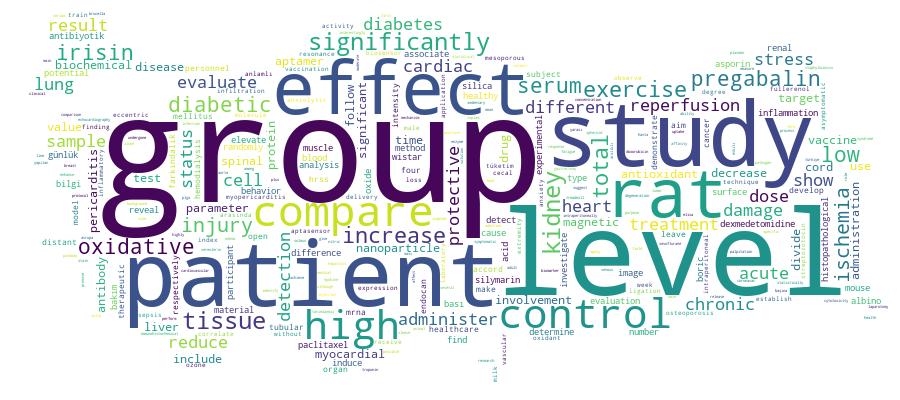
41 results
Scholarly Output Search Results
Now showing 1 - 10 of 41
Article Effectiveness of Boric Acid in Sepsis in Rats With Cecal Perforation(Springer Nature, 2025) Kurtipek, Ali Can; Dursun, Ali Dogan; Yigman, Zeynep; Ozdemir, Cagri; Kucuk, Aysegul; Gonullu, Ugur; Arslan, MustafaIntroduction and AimSepsis is a systemic inflammatory response that develops in the host against microorganisms, which results in end-organ damage. Boric acid (BA) has been shown to have immune modulatory effects in vitro and in animal studies. The aim of the study is to investigate the effects of high dose BA on lung and kidney tissues in rats with sepsis induced by the CLP method.Method28 rats were randomly divided into four groups: Group C (control group), Group BA, Group CLP (cecal ligation and puncture), and Group CLP + BA. Cecum was ligated below the ileocecal valve and punctured. BA was administered to the treatment groups at an intraperitoneal dose of 200 mg/kg, and at the end of 24 h, lung and kidney tissue samples were collected and evaluated for biochemical and histopathological parameters.ResultsHistopathologically, in kidney tissue, CLP + BA group showed significantly less peritubular capillary dilatation and brush border loss in the proximal tubule epithelium compared to the CLP group. In lung tissue, CLP + BA group had significantly less alveolar wall thickening compared to the CLP group. Biochemical analyses indicated that BA administration reduced oxidative stress in both renal and lung tissues.ConclusionWe found that intraperitoneal administration of high dose boric acid partially ameliorated the tissue damage in rats subjected to CLP induced sepsis. Further studies are needed regarding the dosage and application at different time points.Article Citation - WoS: 5The Evaluation of Serum Endocan, Interleukin-6, and Crp Levels Following Sleeve Gastrectomy(Dove Medical Press Ltd, 2023) Sariyildiz, Gulcin Turkmen; Demir, Canan Cicek; Demir, Mehmet Emin; Arslan, Aykut Ilker; Banli, Oktay; Dursun, Ali DoganBackground: The excessive accumulation of fat tissue in obesity is the source of chronic low-level inflammation and causes future dysmetabolic and cardiovascular disorders. Removal of this excessive fat tissue with the aid of bariatric surgery (BS) techniques, such as sleeve gastrectomy, may reverse adverse inflammatory outcomes. The aim of this study is to investigate the impact of sleeve gastrectomy on inflammatory markers, specifically endocan, IL-6, and CRP, in individuals with obesity.Methods: Thirty-two patients with class 3 obesity and class 2 obesity + comorbidities were enrolled in the study. Clinical characteristics including age, comorbidity, body mass index (BMI), waist, and hip circumferences of the participants were noted before and 3 months after sleeve gastrectomy. Blood samples were collected during those periods to assess biochemical features such as serum endocan, interleukin-6 (IL-6), C-reactive peptide, fasting insulin, glycosylated hemoglobin A1c levels, and lipid panel. A statistical package program was used for the analysis of those parameters, and p<0.05 was accepted as significant at a 95.0% confidence interval.Results: BMI reduced from 43.55 +/- 6.78 to 36.16 +/- 6.14 kg/m(2) within 3 months following BS (p<0.001). Preoperative serum endocan, IL-6, and CRP levels were correlated with BMI, and in line with BMI reduction, their serum levels decreased after BS (p<0.05). HOMA-IR also reduced after BS, and both in the pre and post-BS periods correlated with BMI, IL-6, endocan, and CRP levels (p<0.05). The mean total body weight loss was 20.4% within 3 months post-BS.Conclusion: BS techniques are effective in weight loss and reversing the inflammatory processes caused by obesity. Serum endocan, IL-6, and CRP levels are promising markers for describing obesity-related inflammation and objectively checking the alleviation of inflammation following BS.Article Citation - WoS: 8Ozone Administration Reduces Myocardial Ischemia Reperfusion Injury in Streptozotocin-Induced Diabetes Mellitus Rat Model(Baycinar Medical Publishing, 2024) Gulcan, M.B.; Demirtas, H.; Ozer, A.; Yıgman, Z.; Dursun, A.D.; Arslan, M.; Oktar, G.L.Objective: This study aimed to investigate the effects of ozone therapy on myocardial ischemia/reperfusion injury in a diabetic rat model. Methods: The experimental study included 38 male Wistar Albino rats weighing between 200 and 250 g. The rats were randomly assigned to five groups. The sham group included six rats, while the other groups had eight rats each. The other groups were the diabetic ozone group, the diabetic group, the diabetic ischemia/reperfusion group (DIR), and the diabetic ischemia/reperfusion ozone group (DIRO). A total of 32 rats received 65 mg/kg streptozotocin, and a week after the administration, diabetes was confirmed by measuring blood sugar. The rats were fed ad libitum for 40 days to reveal macrovascular complications of diabetes. Malondialdehyde, catalase, superoxide dismutase, paraoxonase-1, total oxidative status, total antioxidant status, and oxidative stress index were assessed. A TUNEL (terminal deoxynucleotidyl transferase dUTP nick end labeling) assay was employed to assess apoptosis. Results: Histologic and biochemical assessments showed the benefits of ozone in myocardial ischemia/reperfusion injury in diabetic rats. The DIRO group was found to be superior to the DIR group. Conclusion: Ozone has cardioprotective effects in streptozotocin-induced diabetic rats through its antioxidant properties against oxidative stress. The study is unique in terms of ozone’s protective effects in diabetic rats against myocardial ischemia/reperfusion injury. However, further studies are needed to confirm our findings. © (2024), (Baycinar Medical Publishing). All rights reserved.Article Citation - WoS: 11Citation - Scopus: 13Protective Effects of Hydrogen Rich Saline Solution in Rats With Experimental Myocardial Ischemia Reperfusion Injury(Cell Press, 2023) Koksal, Zeynep; Kurtipek, Omer; Arslan, Mustafa; Dursun, Ali Dogan; Yigman, Zeynep; Ozer, AbdullahAim: The aim of our study is to show whether the administration of hydrogen-rich saline solution (HRSS) intraperitoneally before left main coronary artery (LAD) ischemia protects the myocardium against ischemia-reperfusion (IR) injury.Materials and methods: After ethics committee approval, 24 Wistar Albino rats were divided into 4 groups, 6 rats in each group. For experimental IR, myocardial ischemia was performed by LAD ligation. Left thoracotomy was performed without ischemia in the Control group (Group C). Left thoracotomy was performed without myocardial ischemia to the rats in the HRSS group, and HRSS was given intraperitoneally (ip) at a rate of 10 ml/kg throughout the procedure. In the MIRHRSS group, a single dose of 10 ml/kg HRSS was administered 5 min before reperfusion. Histopathological and biochemical parameters were compared in myocardial tissue samples taken at the end of the reperfusion period.Results: When the groups were compared among themselves in terms of TOS and TAS levels, there was a significant difference between the groups (p = 0.006, p = 0.002). The severity of cardiomyocyte degeneration was significantly greater in MIR group than that in the control and HRSS groups (p = 0.002 and p = 0.001, respectively), as well as severity score of cardiomyocyte degeneration was higher in MIR-HRSS group compared with HRSS group (p = 0.035).Conclusion: Our study shows that HRSS is protective in IR injury, with the application of HRSS 5 min before reperfusion, interstitial edema severity, subendocardial haemorrhage are reduced, and oxidant status parameters are increased, while antioxidant status parameters are decreased. We believe that when it is supported by other studies, the protective effects of HRSS on IR damage will be shown in detail and its indications will be expanded.Article Enhancement of Paclitaxel Therapeutic Effect by Aptamer Targeted Delivery in Plga Nanoparticles(2021) Dursun, Ali; Dursun, Ali Doğan; Ucak, Samet; Özalp, Veli Cengiz; Poyraz, Fatma Sayan; Yilmaz, Elif; Mansuroglu, Banu; Ozalp, Veli Cengiz; Dursun, Ali Doğan; Özalp, Veli Cengiz; Basic Sciences; Basic SciencesObjectives: Paclitaxel is a drug molecule used in the therapy of various cancer types, including breast cancer. It is one of the preferred chemotherapy agent due to its high efficacy. However, many side effects have been observed associ- ated with paclitaxel use such as allergy, hair loss, diarrhea and pain. Methods: We evaluated therapeutic efficacy of paclitaxel when it is actively targeted to breast cancer tumours inside a polymeric nanoparticle. Targeted delivery of paclitaxel to tumour sites has been reported as an improved cytotoxicity strategy with a variety of nanoparticles. In this study, poly Lactic-co-Glycolic Acid (PLGA) nanoparticles were used as drug carrier and nucleolin aptamers as affinity targeting agents. Results: Paclitaxel molecules were entrapped during the synthesis of PLGA nanoparticles of 238 nm in diameter. The encapsulation and loading efficiencies of paclitaxel was 97% and 21% respectively. The paclitaxel loaded PLGA nanoparticles were functionalized with nucleolin aptamers and their targeting ability to cultured mouse cancer cells was determined for two cell lines (E0771 and 4T1). E0771 cell line was chosen for the preparation of allograph breast cancer mouse models. Evaluations of the targeted paclitaxel in PLGA nanoparticles showed 38% better performance in inhibiting tumour growth compared to free paclitaxel treatment groups of mouse models. Conclusion: The chemotherapeutic effect of cancer drugs like paclitaxel can be increased by loading inside tumour targeted polymeric nanoparticlesArticle Citation - Scopus: 2Effects of Eccentric Exercise on Different Slopes(Jmni, 2019) Gokce, Evrim; Akat, Firat; Dursun, Ali Dogan; Gunes, Emel; Bayram, Pinar; Billur, Deniz; Koc, Emine; Basic SciencesObjectives: Eccentric contraction occurs when the muscle lengthens under tension. Damage-induced responses seen in the muscle after eccentric exercise usually experienced by sedentary individuals. This study aims to investigate muscle damage on different slopes. Methods: 32 male Wistar albino rats randomly divided into four groups: sedentary, horizontal running, and eccentric exercise (-8 degrees, -16 degrees) groups. Animals ran for 90 min with the speed of 25 m/s for five days. After 48h from the last exercise, rats were sacrificed, and plasma creatine kinase (CK), heat shock protein 70 (HSP70) levels were examined. Plasma and soleus total oxidant/antioxidant status (TOS-TAS) and histological changes of soleus muscle assessed. Results: CK and HSP70 significantly increased in 16 degrees EE group. TOS increased at 16 degrees EE and 8 degrees EE, but oxidative stress index (OSI) was only high at 8 degrees EE group. Mononuclear cell infiltration and the angiogenesis increased in soleus after eccentric exercise, and there was a correlation with slope. Sarcomere breaks were detected in 16 degrees EE group also in a correlation with slope. Conclusions: Consequently, sedentary individuals are vulnerable to injuries induced by eccentric contraction. Therefore, our study provides information for reconsidering rehabilitation and training programs.Article Deneysel Tip 1 Diabetes Mellitusta Aralıklı Hipoksinin Kardiyak Kas Kalsiyum Homeostazisine Etkisi(2019) Tanyeli, Ayhan; Baştuğ, Metin; Erdoğan, Derya Güzel; Dursun, Ali Doğan; Akat, Fırat; Tekin, Demet; Fıçıcılar, HakanAmaç Bu çalışmada; Deneysel diyabetik kardiyomiyopatide aralıklı hipoksinin kardiyak fosfolamban ve Ca+2- kalmodulin bağımlı protein kinaz II (CaMKII) düzeylerine etkisiaraştırıldı. ( Sakarya Tıp Dergisi 2019, 9(3):536-543 ) Gereç veYöntemler Wistar albino erkek sıçanlar (n = 34) dört gruba randomize edildi: kontrol (C), aralıklı hipoksi (AH), diabetes mellitus (DM) ve diabetes mellitus + aralıklı hipoksi (DM +AH). Streptozotosin (50 mg/kg, i.p.) uygulandı ve 250 mg/dL ve üzeri kan glukoz seviyeleri diabetes mellitus olarak kabul edildi. AH ve DM+ AH grupları, 3000 m yüksekliğekarşılık gelen bir basınçta 42 gün boyunca 6 saat/ gün hipoksiye tabi tutuldu. Değerlendirmede, Kruskal Wallis testi, çoklu karşılaştırma testleri ve Wilcoxon testleri kullanıldı. Bulgular Diyabetteki kilo kaybını göstermek ve ratların metabolik sağlık durumlarının takibi için rutin olarak ratlar tartıldı. AH grubundaki ağırlık artışı en fazla idi ve DM grubuen azdı. C ve DM (p= 0.003), C- DM + AH (p= 0.024), AH- DM (p= 0.001), AH- DM+ IH (p= 0.006) arasındaki farklar istatistiksel olarak anlamlı bulundu. Fosfolamban/gliseraldehit-3 fosfat dehidrogenaz (PLB/ GAPDH) grupları arasında anlamlı bir fark bulunamamıştır (p= 0.294). CaMKII/ GAPDH açısından, C ve DM; C ve DM+ AH ileAH ve DM+ AH grupları arasında istatistiksel olarak anlamlı bir fark bulundu (p <0.05). Sonuç CaMKII mRNA düzeylerinin DM ve DM+IH gruplarında azaldığı bulundu. Bununla birlikte, fosfolambanda değişiklik tespit edilmemiştir, ancak fosfolambanda meydanagelecek değişiklikler translasyon ve/veya posttranslasyonal seviyelerin etkilerinde ve protein seviyelerinde ve/ veya aktivasyonlarında meydana gelebilecek değişikliklerdeönemlidir.Article Citation - WoS: 7Citation - Scopus: 7Surface Plasmon Resonance Aptasensor for Soluble Icam-1 Protein in Blood Samples(Royal Soc Chemistry, 2022) Dursun, Ali Dogan; Dogan, Soner; Kavruk, Murat; Tasbasi, B. Busra; Sudagidan, Mert; Yilmaz, M. Deniz; Tuna, Bilge G.Intercellular Adhesion Molecule-1 (ICAM-1) is considered to be a cancer biomarker in the assessment of metastatic potential in patients and an early indicator of atherosclerosis. A labelless biosensor based on the surface plasmon resonance (SPR) signal from the specific affinity interaction of an aptamer and a soluble ICAM-1 protein was developed for blood samples. The developed aptasensor provided real-time information on the concentration of the ICAM-1 protein in blood when integrated to a purification step based on a magnetic pull-down separation. The SPR aptasensor was highly specific with a limit of detection of 1.4/0.2 ng ml(-1), which was achieved through aptamer-functionalized silica-coated magnetic nanoparticles.Article Citation - WoS: 11Citation - Scopus: 16Therapeutic Efficacy of Boric Acid Treatment on Brain Tissue and Cognitive Functions in Rats With Experimental Alzheimer's Disease(Dove Medical Press Ltd, 2023) Ozdemir, Cagri; Arslan, Mustafa; Kucuk, Aysegul; Yigman, Zeynep; Dursun, Ali DoganIntroduction: Oxidative stress has an important role in the pathophysiology of Alzheimer's disease (AD), the most common type of dementia. Boric acid (BA) contributes significantly to the protection of the brain by reducing lipid peroxidation and supporting antioxidant defense. We aimed to evaluate the therapeutic potential of BA treatment in AD rats. Materials and Methods: Four groups were formed as Control (C), Alzheimer's (A), Alzheimer's + Boric acid (ABA), Boric acid (BA). Intracerebroventricular injection of Streptozotocin (STZ) was preferred to create an AD. After 4 weeks, BA was applied 3 times every other day. The Radial Arm Maze Test (RAMT) was used to evaluate memory and learning abilities. Biochemical and histopathological evaluations were made in the hippocampus. Results: Initial RAMT inlet/outlet (I/O) numbers were similar. Two weeks after STZ injection, I/O numbers decreased in group A and ABA compared to group C and BA (p<0.05). After the second BA application, I/O numbers increased in the ABA group compared to the A group (p<0.05). In group A, PON-1, TOS and OSI levels were higher and TAS levels were lower than in groups BA and C. After BA treatment, PON-1 and OSI levels were lower in the ABA group than in the A group (p<0.05). Although there was an increase in TAS value and a decrease in TOS, this did not make a statistical difference. The thickness of the pyramidal cell in CA1 and the granular cell layers in the dentate gyrus, and the number of intact and degenerated neurons in the pyramidal cell layer were similar between the groups. Discussion: Significant improvement in learning and memory abilities after BA application is promising for AD. Conclusion: These results show that BA application positively affects learning and memory abilities, and reduces oxidative stress. More extensive studies are required to evaluate histopathological efficacy.Article Effects of Pomegranate Seed Oil on Lower Extremity Ischemia-Reperfusion Damage: Insights into Oxidative Stress, Inflammation, and Cell Death(MDPI, 2025) Bozok, Ummu Gulsen; Ergorun, Aydan Iremnur; Kucuk, Aysegul; Yigman, Zeynep; Dursun, Ali Dogan; Arslan, MustafaAim: This study sought to clarify the therapeutic benefits and mechanisms of action of pomegranate seed oil (PSO) in instances of ischemia–reperfusion (IR) damage in the lower extremities. Materials and Methods: The sample size was determined, then 32 rats were randomly allocated to four groups: Control (C), ischemia–reperfusion (IR), low-dose PSO (IR + LD, 0.15 mL/kg), and high-dose PSO (IR + HD, 0.30 mL/kg). The ischemia model in the IR group was established by occluding the infrarenal aorta for 120 min. Prior to reperfusion, PSO was delivered to the IR + LD and IR + HD groups at doses of 0.15 mL/kg and 0.30 mL/kg, respectively, followed by a 120 min reperfusion period. Subsequently, blood and tissue specimens were obtained. Statistical investigation was executed utilizing Statistical Package for the Social Sciences version 20.0 (SPSS, IBM Corp., Armonk, NY, USA). Results: Biochemical tests revealed significant variations in total antioxidant level (TAS), total oxidant level (TOS), and the oxidative stress index (OSI) across the groups (p < 0.0001). The IR group had elevated TOS and OSI levels, whereas PSO therapy resulted in a reduction in these values (p < 0.05). As opposed to the IR group, TASs were higher in the PSO-treated groups. Histopathological analysis demonstrated muscle fiber degeneration, interstitial edema, and the infiltration of cells associated with inflammation in the IR group, with analogous results noted in the PSO treatment groups. Immunohistochemical analysis revealed that the expressions of Tumor Necrosis Factor-alpha (TNF-α), Nuclear Factor kappa B (NF-κB), cytochrome C (CYT C), and caspase 3 (CASP3) were elevated in the IR group, while PSO treatment diminished these markers and attenuated inflammation and apoptosis (p < 0.05). The findings demonstrate that PSO has a dose-dependent impact on IR injury. Discussion: This research indicates that PSO has significant protective benefits against IR injury in the lower extremities. PSO mitigated tissue damage and maintained mitochondrial integrity by addressing oxidative stress, inflammation, and apoptotic pathways. Particularly, high-dose PSO yielded more substantial enhancements in these processes and exhibited outcomes most comparable to the control group in biochemical, histological, and immunohistochemical investigations. These findings underscore the potential of PSO as an efficacious natural treatment agent for IR injury. Nevertheless, additional research is required to articulate this definitively.
