
Boyacıoğlu, Özge
Loading...
Profile URL
Name Variants
Boyacioglu,Ozge
Boyacioglu,Ö.
Boyacioglu, Ozge
Özge Boyacıoğlu
B., Özge
Boyacioglu,O.
Ö.,Boyacıoğlu
B.,Özge
Ozge, Boyacioglu
Boyacıoğlu, Özge
Ö., Boyacıoğlu
B.,Ozge
B., Ozge
Boyacioglu O.
O.,Boyacioglu
Boyacıoğlu,Ö.
O., Boyacioglu
Özge, Boyacıoğlu
Boyacioglu, OEzge
Boyacioglu,Ö.
Boyacioglu, Ozge
Özge Boyacıoğlu
B., Özge
Boyacioglu,O.
Ö.,Boyacıoğlu
B.,Özge
Ozge, Boyacioglu
Boyacıoğlu, Özge
Ö., Boyacıoğlu
B.,Ozge
B., Ozge
Boyacioglu O.
O.,Boyacioglu
Boyacıoğlu,Ö.
O., Boyacioglu
Özge, Boyacıoğlu
Boyacioglu, OEzge
Job Title
Araştırma Görevlisi
Email Address
ozge.boyacioglu@atilim.edu.tr
Main Affiliation
Basic Sciences
Status
Website
ORCID ID
Scopus Author ID
Turkish CoHE Profile ID
Google Scholar ID
WoS Researcher ID
Sustainable Development Goals
 1
1NO POVERTY
0
Research Products
 2
2ZERO HUNGER
0
Research Products
 3
3GOOD HEALTH AND WELL-BEING
9
Research Products
 4
4QUALITY EDUCATION
0
Research Products
 5
5GENDER EQUALITY
0
Research Products
 6
6CLEAN WATER AND SANITATION
0
Research Products
 7
7AFFORDABLE AND CLEAN ENERGY
0
Research Products
 8
8DECENT WORK AND ECONOMIC GROWTH
0
Research Products
 9
9INDUSTRY, INNOVATION AND INFRASTRUCTURE
0
Research Products
 10
10REDUCED INEQUALITIES
0
Research Products
 11
11SUSTAINABLE CITIES AND COMMUNITIES
0
Research Products
 12
12RESPONSIBLE CONSUMPTION AND PRODUCTION
0
Research Products
 13
13CLIMATE ACTION
0
Research Products
 14
14LIFE BELOW WATER
1
Research Products
 15
15LIFE ON LAND
0
Research Products
 16
16PEACE, JUSTICE AND STRONG INSTITUTIONS
0
Research Products
 17
17PARTNERSHIPS FOR THE GOALS
0
Research Products

Documents
13
Citations
109
h-index
5

Documents
9
Citations
62

Scholarly Output
13
Articles
9
Views / Downloads
11/0
Supervised MSc Theses
0
Supervised PhD Theses
0
WoS Citation Count
46
Scopus Citation Count
109
Patents
0
Projects
0
WoS Citations per Publication
3.54
Scopus Citations per Publication
8.38
Open Access Source
3
Supervised Theses
0
| Journal | Count |
|---|---|
| Advances in Experimental Medicine and Biology | 2 |
| Biotechnic & Histochemistry | 1 |
| Cell Death & Disease | 1 |
| Comparative Kinesiology of the Human Body: Normal and Pathological Conditions | 1 |
| International Journal of Biological Macromolecules | 1 |
Current Page: 1 / 3
Scopus Quartile Distribution
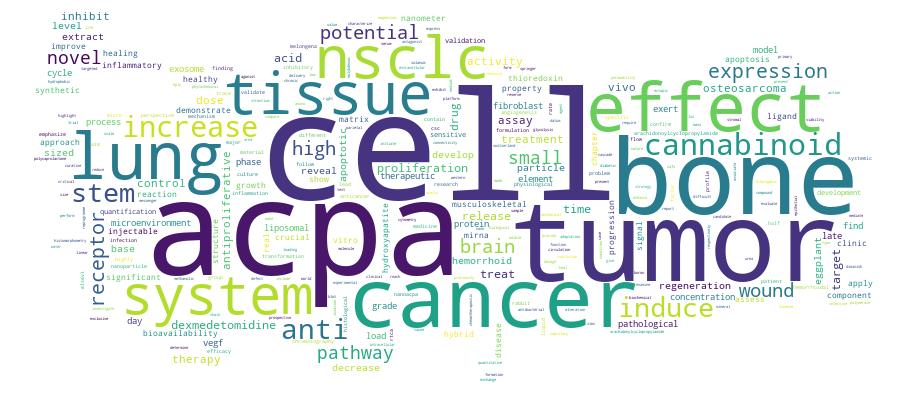
Competency Cloud
13 results
Scholarly Output Search Results
Now showing 1 - 10 of 13
Book Part Citation - Scopus: 2Trace Element Containing Nano-HAp for Preventing Musculoskeletal Infections(Springer Science and Business Media B.V., 2021) Gizer,M.; Boyacıoğlu,Ö.; Korkusuz,P.; Korkusuz,F.Musculoskeletal infections are difficult to diagnose and rapidly reach the chronic phase that is difficult to treat. Osteomyelitis and septic arthritis are inflammatory musculoskeletal diseases and their recovery should contain bone or joint regeneration approaches. Nanometer-sized hydroxyapatite is the main inorganic component of the bone tissue that resembles its extracellular matrix. Nanometer-sized hydroxyapatite composite is also an efficient carrier for various regenerative molecules and medicine. Trace elements on the other hand enhance bone formation, mineralization and have antibacterial properties. Bioactivity, biocompatibility, and antibacterial properties of nanometer-sized hydroxyapatite can be gained and improved with trace elements such as zinc, boron, magnesium, strontium, and molybdenum. This chapter summarizes studies on the effects of zinc, boron, magnesium, strontium, and/or molybdenum-doped nanometer-sized hydroxyapatite that can be used to treat musculoskeletal infections. © 2021, The Author(s), under exclusive license to Springer Nature Switzerland AG.Article Citation - WoS: 3Citation - Scopus: 3Development and Validation of a Sensitive Assay for the Quantification of Arachidonoylcyclopropylamide (acpa) in Cell Culture by Lc-ms/Ms(Springer int Publ Ag, 2023) Boyacioglu, Ozge; Recber, Tuba; Kir, Sedef; Korkusuz, Petek; Nemutlu, EmirhanSynthetic and natural cannabinoid derivatives are highly investigated as drug candidates due to their antinociceptive, antiepileptic and anticancer potential. Arachidonoylcyclopropylamide (ACPA) is a synthetic cannabinoid with antiproliferative and apoptotic effects on non-small cell lung cancer and pancreatic and endometrial carcinoma. Thus, ACPA has a great potential for being used as an anticancer drug for epithelial cancers. Therefore, determining the levels of ACPA in biological fluids, cells, tissues and pharmaceutical dosage forms is crucial in monitoring the effects of various pharmacological, physiological and pathological stimuli on biological systems. However, the challenge in the quantification of ACPA is its short half-life and lack of UV signal. Therefore, we developed a liquid chromatography-tandem mass spectrometric (LC-MS/MS) method for sensitive and selective quantification of ACPA in cell culture medium and intracellular matrix. Multiple reaction monitoring in the positive ionization mode was used for detection with 344 -> 203 m/z transitions. The separation of ACPA was performed on C18 column (50 x 3.0 mm, 2.1 mu m) with the mobile phase run in the gradient mode with 0.1% formic acid (FA) in water and 0.1% FA in acetonitrile at a flow rate of 0.3 ml/min. The assay was linear in the concentration range of 1.8-1000 ng/mL (r = 0.999). The validation studies revealed that the method was linear, sensitive, accurate, precise, selective, repeatable, robust and rugged. Finally, the developed method was applied to quantify ACPA in cell culture medium and intracellular matrix.Article Citation - WoS: 5Citation - Scopus: 6Clinic-Oriented Injectable Smart Material for the Treatment of Diabetic Wounds: Coordinating the Release of Gm-Csf and Vegf(Elsevier, 2024) Kinali, Hurmet; Kalaycioglu, Gokce Dicle; Boyacioglu, Ozge; Korkusuz, Petek; Aydogan, Nihal; Vargel, IbrahimChronic wounds are often caused by diabetes and present a challenging clinical problem due to vascular problems leading to ischemia. This inhibits proper wound healing by delaying inflammatory responses and angiogenesis. To address this problem, we have developed injectable particle-loaded hydrogels which sequentially release Granulocyte-macrophage- colony-stimulating-factor (GM-CSF) and Vascular endothelial growth factor (VEGF) encapsulated in polycaprolactone-lecithin-geleol mono-diglyceride hybrid particles. GM-CSF promotes inflammation, while VEGF facilitates angiogenesis. The hybrid particles (200 -1000 nm) designed within the scope of the study can encapsulate the model proteins Bovine Serum Albumin 65 +/- 5 % and Lysozyme 77 +/- 10 % and can release stably for 21 days. In vivo tests and histological findings revealed that in the hydrogels containing GM-CSF/VEGF-loaded hybrid particles, wound depth decreased, inflammation phase increased, and fibrotic scar tissue decreased, while mature granulation tissue was formed on day 10. These findings confirm that the hybrid particles first initiate the inflammation phase by delivering GM-CSF, followed by VEGF, increasing the number of vascularization and thus increasing the healing rate of wounds. We emphasize the importance of multi-component and sequential release in wound healing and propose a unifying therapeutic strategy to sequentially deliver ligands targeting wound healing stages, which is very important in the treatment of the diabetic wounds.Article Citation - WoS: 28Citation - Scopus: 30Acpa Decreases Non-Small Cell Lung Cancer Line Growth Through Akt/Pi3k and Jnk Pathways in Vitro(Springernature, 2021) Boyacioglu, OEzge; Bilgic, Elif; Varan, Cem; Bilensoy, Erem; Nemutlu, Emirhan; Sevim, Duygu; Korkusuz, PetekTherapeutic agents used for non-small cell lung cancer (NSCLC) have limited curative efficacy and may trigger serious adverse effects. Cannabinoid ligands exert antiproliferative effect and induce apoptosis on numerous epithelial cancers. We confirmed that CB1 receptor (CB1R) is expressed in NSCLC cells in this study. Arachidonoylcyclopropylamide (ACPA) as a synthetic, CB1R-specific ligand decreased proliferation rate in NSCLC cells by WST-1 analysis and real-time proliferation assay (RTCA). The half-maximal inhibitory concentration (IC50) dose of ACPA was calculated as 1.39x10(-12)M. CB1 antagonist AM281 inhibited the antiproliferative effect of ACPA. Flow cytometry and ultrastructural analyzes revealed significant early and late apoptosis with diminished cell viability. Nano-immunoassay and metabolomics data on activation status of CB1R-mediated pro-apoptotic pathways found that ACPA inhibited Akt/PI3K pathway, glycolysis, TCA cycle, amino acid biosynthesis, and urea cycle and activated JNK pathway. ACPA lost its chemical stability after 24hours tested by liquid chromatography-mass spectrometry (LC-MS/MS) assay. A novel ACPA-PCL nanoparticle system was developed by nanoprecipitation method and characterized. Sustained release of ACPA-PCL nanoparticles also reduced proliferation of NSCLC cells. Our results demonstrated that low dose ACPA and ACPA-PCL nanoparticle system harbor opportunities to be developed as a novel therapy in NSCLC patients that require further in vivo studies beforehand to validate its anticancer effect.Article ACPA Prevents Lung Fibroblast-to Transformation by Reprogramming the Tumor Microenvironment through NSCLC-Derived Exosomes(Nature Portfolio, 2025) Boyacioglu, Ozge; Kalali, Berfin Deniz; Recber, Tuba; Gelen-Gungor, Dilek; Nemutlu, Emirhan; Eroglu, Ipek; Korkusuz, Petek; Kilic, NedretNon-small cell lung cancer (NSCLC) accounts for most lung cancer cases. Current treatments often cause systemic side effects or lead to drug resistance, prompting the development of new therapies targeting tumors and related cells simultaneously. Cancer-associated fibroblasts (CAFs) are crucial stromal cells within the tumor microenvironment (TME), making them potential targets for therapy. Previously, we found that the CB1 receptor agonist ACPA has anti-tumor effects on NSCLC, inhibiting pathways such as Akt/PI3K, JNK, glycolysis, the citric acid cycle, and the urea cycle both in vitro and in vivo. We hypothesize that ACPA could enhance therapy by inhibiting the transformation of lung fibroblasts into CAFs via exosomes. Control and ACPA-treated NSCLC cell exosomes exhibited similar size, PDI, ZP, and high expression of CD9, CD63, and CD81. ACPA-treated exosomes showed reduced levels of miR-21 and miR-23. These exosomes decreased fibroblast viability within 12 h by disrupting pentose phosphate, lipid, and amino acid metabolism, and by lowering PDPN, alpha-SMA, and FAP expressions. This research highlights ACPA as a promising chemotherapeutic agent, capable of improving NSCLC treatment and reprogramming the TME with more targeted therapies.Article Does Dexmedetomidine Induce Bone Regeneration in Cranial Defects in Rabbits(Taylor & Francis Ltd, 2025) Erkan, Gozde Nur; Tekin, Umut; Boyacioglu, Ozge; Korkusuz, Petek; Orhan, Kaan; Kirman, Betul; Onder, Mustafa ErcumentDexmedetomidine has been shown to exert protective and curative effects on various tissues and organs in different pathological processes. This study aimed to investigate the effect of dexmedetomidine on the regeneration process after making holes in the parietal bones of rabbits. Twenty-four male Oryctolagus cuniculus rabbits were allocated to three groups, and an 8-mm circular parietal critical-sized bone defect was induced in each animal. Group_C (control) received saline; Group_LD (low dose) was given dexmedetomidine 2.75 mu g/kg; Group_HD (high dose), dexmedetomidine 5.5 mu g/kg; all were administered intraperitoneally for 7 days. After 8 weeks the bones were examined by micro-computed tomography (micro-CT) and histomorphometry. The results indicated that regeneration was improved in both the dexmedetomidine-treated groups. The lower dose increased the bone volume ratio (BV/TV) more than the higher dose. Trabecular thickness, connectivity value, and connectivity density were also higher in Group_LD than in Group_HD. Significant intramembranous ossification was observed in the dexmedetomidine-treated groups, and active osteoblasts were seen at the margins of new bone trabeculae. We conclude that dexmedetomidine, especially at the lower dosage, increases osteoblastic activity and regeneration quality.Book Part A Niche-Based Perspective to Stem and Cancer Stem Cells of the Lung(Springer, 2025) Boyacıoğlu, Özge; Kalali, Berfin Deniz; Tongün, Ege; Korkusuz, PetekLungs carry the principle function for the conduction and exchange of air through the primary, secondary, tertiary bronchi, bronchioles, and alveoli, resulting in the exchange of oxygen to carbon dioxide within the human tissues. Lung stem and progenitor cells enable differentiation of parenchymal and stromal elements and provide homeostasis and regeneration in the microenvironment against pulmonary diseases. Tumor-initiating cancer cells (TICs) refer to a subpopulation named as cancer stem cells (CSCs) of lung cancer exhibiting high self-renewal and proliferation capacity by Notch, Hippo, Hedgehog, and Wnt signaling pathways that leads to tumor development or recurrence. Lung cancer stem cells (LCSCs) are characterized by distinct genotypic or phenotypic alterations compared to healthy lung stem cells (LSCs) that provide a potential target to treat lung cancer. Therefore, understanding the cascades responsible for the transformation of healthy to CSCs is essential to develop new targeted therapy approaches. In this chapter, we precisely highlight the latest researches on LSCs and CSCs, key signaling mechanisms within the perspective of novel targeted therapy strategies. © 2025 Elsevier B.V., All rights reserved.Article Citation - WoS: 2Citation - Scopus: 2Cb65 and Novel Cb65 Liposomal System Suppress Mg63 and Saos-2 Osteosarcoma Cell Growth in Vitro(Taylor & Francis Ltd, 2024) Zorba, Basak Isil; Boyacioglu, Oezge; Caglayan, Tugba; Recber, Tuba; Nemutlu, Emirhan; Eroglu, Ipek; Korkusuz, PetekCurable approaches for primary osteosarcoma are inadequate and urge investigation of novel therapeutic formulations. Cannabinoid ligands exert antiproliferative and apoptotic effect on osteosarcoma cells via cannabinoid 2 (CB2) or transient receptor potential vanilloid type (TRPV1) receptors. In this study, we confirmed CB2 receptor expression in MG63 and Saos-2 osteosarcoma cells by qRT-PCR and flow cytometry (FCM), then reported the reduction effect of synthetic specific CB2 receptor agonist CB65 on the proliferation of osteosarcoma cells by WST-1 (water-soluble tetrazolium-1) and RTCA (real-time impedance-based proliferation). CB65 revealed an IC50 (inhibitory concentration) for MG63 and Saos-2 cells as 1.11 x 10(-11) and 4.95 x 10(-11) M, respectively. The specific antiproliferative effect of CB65 on osteosarcoma cells was inhibited by CB2 antagonist AM630. CB65 induced late apoptosis of MG63 and Saos-2 cells at 24 and 48 h, respectively by FCM when applied submaximal concentration. A novel CB65 liposomal system was generated by a thin film hydration method with optimal particle size (141.7 +/- 0.6 nm), polydispersity index (0.451 +/- 0.026), and zeta potential (-10.9 +/- 0.3 mV) values. The encapsulation efficiency (EE%) of the CB65-loaded liposomal formulation was 51.12%. The CB65 and CB65-loaded liposomal formulation releasing IC50 of CB65 reduced proliferation by RTCA and invasion by scratch assay and induced late apoptosis of MG63 and Saos-2 cells, by FCM. Our results demonstrate the CB2 receptor-mediated antiproliferative and apoptotic effect of a new liposomal CB65 delivery system on osteosarcoma cells that can be used as a targeted and intelligent tool for bone tumors to ameliorate pediatric bone cancers following in vivo validation.Article Citation - Scopus: 18From Nutrition To Medicine: Assessing Hemorrhoid Healing Activity of Solanum Melongena L. Via in Vivo Experimental Models and Its Major Chemicals(Elsevier Ireland Ltd, 2020) Dönmez,C.; Yalçın,F.N.; Boyacıoğlu,Ö.; Korkusuz,P.; Akkol,E.K.; Nemutlu,E.; Çalışkan,U.K.Ethnopharmacological relevance: Solanum melongena L. (eggplant) is used for treatment of rheumatism, beriberi, itching, toothache, bleeding, asthma, bronchitis, cholera, neuralgia and hemorrhoids in traditional medicine (Turkish, Chinese, and Indian). Hemorrhoids from these diseases, are common illness in all over the world, which are treated with various approaches including ethnobotanicals. Aim of the study: This study aimed to evaluate the anti-hemorrhoidal activity of eggplant, an edible plant, which is commonly utilized around the world. Materials & methods: In vivo anti-hemorrhoidal activity of the methanolic extract prepared from eggplant was evaluated by experimental hemorrhoid model, subsequently histological and biochemical analysis. Hemorrhoid, which was induced by applying croton oil to the anal area of the rats. Furthermore, the extract was screened for anti-inflammatory activity which is based on the inhibition of acetic acid-induced increase in capillary permeability. The healing potential was comparatively assessed with a reference Pilex® tablet and cream. Phytochemical analysis performed by HPLC. The amount of the major phenolic compound (chlorogenic acid) in extract was found by using HPLC method. Results: Histological and biochemical analysis demonstrated that eggplant extract is highly effective against hemorrhoid in comparison to the controls and the commercial preparation. In addition, the methanolic extract demonstrated significant inhibitory effect on acetic acid-induced increase in capillary permeability. The phytochemical studies identified major compound as chlorogenic acid (2.86%) by liquid chromatography. Conclusion: The eggplant calyxes, not edible, are easy to reach, by products/vast from the food sources. This is the first scientific evidence revealing that the eggplant extract has significant anti-hemorrhoidal and anti-inflammatory activity. © 2020 Elsevier B.V.Book Part Citation - Scopus: 6Cannabinoids as Prospective Anti-Cancer Drugs: Mechanism of Action in Healthy and Cancer Cells(Springer, 2023) Boyacıoğlu,Ö.; Korkusuz,P.Endogenous and exogenous cannabinoids modulate many physiological and pathological processes by binding classical cannabinoid receptors 1 (CB1) or 2 (CB2) or non-cannabinoid receptors. Cannabinoids are known to exert antiproliferative, apoptotic, anti-migratory and anti-invasive effect on cancer cells by inducing or inhibiting various signaling cascades. In this chapter, we specifically emphasize the latest research works about the alterations in endocannabinoid system (ECS) components in malignancies and cancer cell proliferation, migration, invasion, angiogenesis, autophagy, and death by cannabinoid administration, emphasizing their mechanism of action, and give a future perspective for clinical use. © 2022, The Author(s), under exclusive license to Springer Nature Switzerland AG.
