İlhan, Ayşe Ezgi
Loading...

Profile URL
Name Variants
Ilhan, A. Ezgi
I., Ayse Ezgi
I.,Ayse Ezgi
A.E.İlhan
İlhan,A.E.
A., Ilhan
A.E.Ilhan
İ.,Ayşe Ezgi
Ilhan,A.E.
İlhan, Ayşe Ezgi
Ayse Ezgi, Ilhan
Ayşe Ezgi, İlhan
A.,İlhan
Ilhan, Ayse Ezgi
I., Ayse Ezgi
I.,Ayse Ezgi
A.E.İlhan
İlhan,A.E.
A., Ilhan
A.E.Ilhan
İ.,Ayşe Ezgi
Ilhan,A.E.
İlhan, Ayşe Ezgi
Ayse Ezgi, Ilhan
Ayşe Ezgi, İlhan
A.,İlhan
Ilhan, Ayse Ezgi
Job Title
Doktor Öğretim Üyesi
Email Address
ezgi.ilhan@atilim.edu.tr
Main Affiliation
Industrial Design
Status
Former Staff
Website
ORCID ID
Scopus Author ID
Turkish CoHE Profile ID
Google Scholar ID
WoS Researcher ID
Sustainable Development Goals
SDG data is not available

This researcher does not have a Scopus ID.

This researcher does not have a WoS ID.

Scholarly Output
2
Articles
1
Views / Downloads
4/0
Supervised MSc Theses
0
Supervised PhD Theses
0
WoS Citation Count
8
Scopus Citation Count
11
Patents
0
Projects
0
WoS Citations per Publication
4.00
Scopus Citations per Publication
5.50
Open Access Source
0
Supervised Theses
0
| Journal | Count |
|---|---|
| Entertainment Computing | 1 |
| Intelligent Systems Conference (IntelliSys) -- SEP 06-07, 2018 -- London, ENGLAND | 1 |
Current Page: 1 / 1
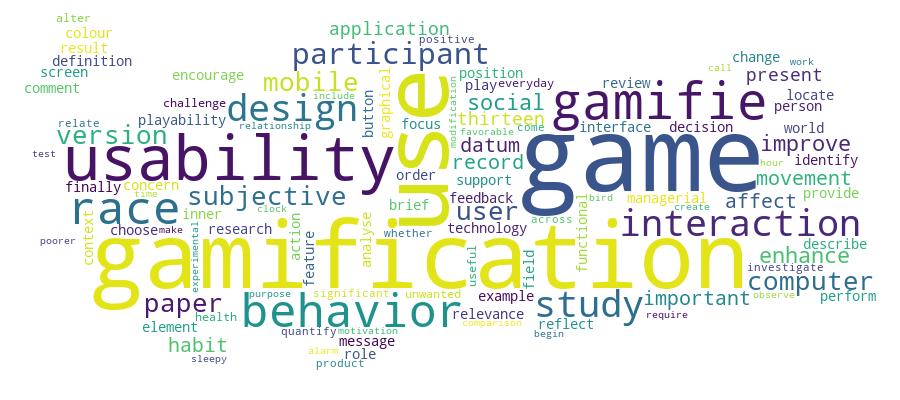
Competency Cloud