
Çağıltay, Nergiz
Loading...

Profile URL
Name Variants
Çağıltay, Nergis E.
Nergiz, Çağıltay
Çağıltay, Nergiz
Nergiz, Cagiltay
Ç.,Nergiz
C.,Nergiz
N., Cagiltay
N.,Çağıltay
Cagiltay, Nergiz
Cagiltay,N.
Çağıltay,N.
N.,Cagiltay
C., Nergiz
Çağıltay, Nergiz Ercil
Cagiltay, Nergiz Ercil
Çağıltay, Nergiz E.
Nergiz, Çağıltay
Çağıltay, Nergiz
Nergiz, Cagiltay
Ç.,Nergiz
C.,Nergiz
N., Cagiltay
N.,Çağıltay
Cagiltay, Nergiz
Cagiltay,N.
Çağıltay,N.
N.,Cagiltay
C., Nergiz
Çağıltay, Nergiz Ercil
Cagiltay, Nergiz Ercil
Çağıltay, Nergiz E.
Job Title
Profesör Doktor
Email Address
nergiz.cagiltay@atilim.edu.tr
Main Affiliation
Software Engineering
Status
Former Staff
Website
ORCID ID
Scopus Author ID
Turkish CoHE Profile ID
Google Scholar ID
WoS Researcher ID
Sustainable Development Goals
 1
1NO POVERTY
0
Research Products
 2
2ZERO HUNGER
0
Research Products
 3
3GOOD HEALTH AND WELL-BEING
0
Research Products
 4
4QUALITY EDUCATION
33
Research Products
 5
5GENDER EQUALITY
0
Research Products
 6
6CLEAN WATER AND SANITATION
0
Research Products
 7
7AFFORDABLE AND CLEAN ENERGY
1
Research Products
 8
8DECENT WORK AND ECONOMIC GROWTH
0
Research Products
 9
9INDUSTRY, INNOVATION AND INFRASTRUCTURE
1
Research Products
 10
10REDUCED INEQUALITIES
0
Research Products
 11
11SUSTAINABLE CITIES AND COMMUNITIES
1
Research Products
 12
12RESPONSIBLE CONSUMPTION AND PRODUCTION
0
Research Products
 13
13CLIMATE ACTION
0
Research Products
 14
14LIFE BELOW WATER
0
Research Products
 15
15LIFE ON LAND
0
Research Products
 16
16PEACE, JUSTICE AND STRONG INSTITUTIONS
3
Research Products
 17
17PARTNERSHIPS FOR THE GOALS
3
Research Products

This researcher does not have a Scopus ID.

This researcher does not have a WoS ID.

Scholarly Output
137
Articles
79
Views / Downloads
139/334
Supervised MSc Theses
26
Supervised PhD Theses
3
WoS Citation Count
1179
Scopus Citation Count
1502
Patents
0
Projects
0
WoS Citations per Publication
8.61
Scopus Citations per Publication
10.96
Open Access Source
17
Supervised Theses
29
| Journal | Count |
|---|---|
| 18th IEEE International Symposium on Personal, Indoor and Mobile Radio Communication -- SEP 03-07, 2007 -- Athens, GREECE | 7 |
| IEEE Access | 5 |
| Computers & Education | 3 |
| Surgical Innovation | 3 |
| Journal of Eye Movement Research | 3 |
Current Page: 1 / 10
Scopus Quartile Distribution
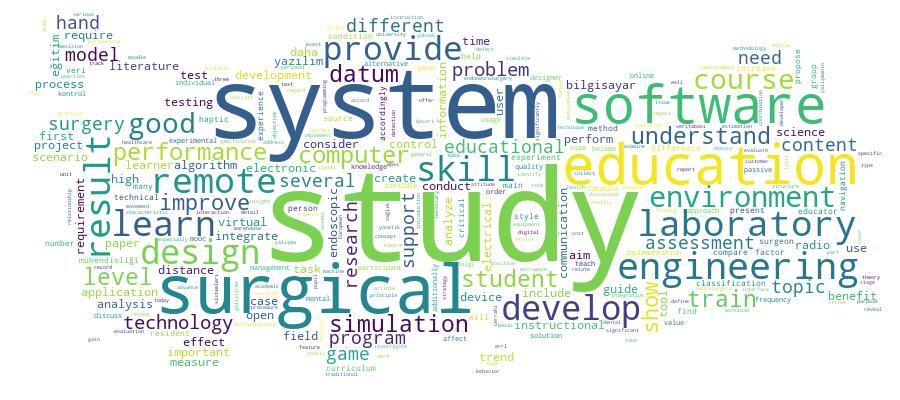
Competency Cloud
137 results
Scholarly Output Search Results
Now showing 1 - 10 of 137
Master Thesis B2c-ticaret Web Sitelerinde Müşterilerin Davranışlarını Anlamak: Türkıye'de Yaşayan Irak Halkı Üzerinde Bir Örnek Olay İncelemesi(2019) Mahmood, Hamıd Majeed Mahmood; Çağıltay, Nergiz; Menekşe, Gonca GökçeE-ticaret ile ilgili önceki çalışmalar, online alışverişin bir dizi müşteri ve e-ticaret web sitesi değerlendirmeleri olarak kabul edildiğini kanıtladı. Ancak, yapı ve internete duyulan güveni korumak, sanal ortam kompleks bir süreçtir. Bu süreç, perakendecilere acentelere verdikleri sözlerin yerine getirilmesinde dürüstlüğün yanı sıra teknoloji değerlendirmesi biçimini de veriyor. Bu çalışmanın temel amacı, B2C e-ticaret web sitelerinde müşterilerin davranışlarını anlamaktadır. Bir vaka çalışması olarak, Türkiye'de yaşayan Irak halkı değerlendirilmektedir. Pazar Oryantasyon, Güvenlik ve güvenilirlik, Kullanıcı Arayüzü Kalitesi, algılanan ürün ve hizmet bilgileri kalitesi, İlişkisel Fayda, Web Sitesi İtibar ve Sosyal Varlığın Önemi ve B2C e-ticaret online güven ile olan ilişkilerinin önemi incelenmiştir. Bu çalışmayı yürütmek amacıyla, anketi gerçekleştirmek için uygun bir örnekleme tekniği kullanılarak yapılmıştır. Türkiye'de yaşayan Iraklı bir topluluk örneği ve veriler üzerine bir anket, Sosyal Bilimler için İstatistik Paketi (SPSS) kullanılarak analiz edilmiştir. E-ticarette güven ile e-ticaret faktörleri arasındaki ilişkileri test etmek için Pearson'un korelasyon analizi kullanılmıştır. Ayrıca, e-ticarette güven seviyelerini tahmin etmek için sekiz önlemin (market oryantasyon, Risk, Güvenlik ve Güvenilirlik, Kullanıcı Arayüzü Kalitesi, algılanan ürün ve hizmet bilgileri kalitesi, İlişkisel Fayda, Web Sitesinin İtibarını ve Sosyal Varlığının Önemi) yeteneğini değerlendirmek üzere hiyerarşik çoklu regresyonlar kullanılmıştır (e-ticarete Güven Ölçeği). Çalışmanın sonuçları gözlemlenen güvenliği gösterdi; gizlilik ve itibar, Türkiye'de yaşayan Iraklı online müşterilere değinerek, müşterilerin online güvenini etkileyen en önemli unsurlardan biri olarak kabul edilmektedir. Önemli dereceye sahip diğer unsurlar çeşitlilik gösterir ve farklıdır ancak bunlardan en önemlisi üçüncü taraf algılaması ve gözlemlenen web sitesi kalitesinin çevrimiçi güven ile önemli bir ilişkisinin var olduğunu da göstermiştir. Son olarak, sonuçlarda bağımsız güven değişkeni ile önemli bir bağlantı kurmak için sınırlı bir gösterge sağlanmaktadır.Master Thesis Kurumsal Kaynak Planlama Uygulamaları için Esnek Veri Tabanı Tasarımı(2006) Öztürk, Kadir Kansu; Çağıltay, Nergiz ErcilKurumsal Kaynak Planlama (ERP) yazılımı, organizasyonlara islerini ve süreçlerini daha iyi kullanmaları için bir çerçeve sunar. ERP yazılımının uyarlanması süreci, bu çerçevenin organizasyona bagdastırılmasıdır. Bu sebeple, uyarlama süreci, ERP felsefesinin hedefledigi sonuçlara ulasmak için iyi yönetilmelidir. Uyarlama projelerinin kolaylastırmak için, ERP yazılımının, uyarlama alanında ortaya çıkacak ek veri ihtiyaçlarını karsılayabilecek esneklikte olması gerekmektedir. Bu tezde, esnek olmayan tasarımdan kaynaklanan uyarlama problemleri, iki safhalı bir örnek olay kullanılarak sunulmustur. Ayrıca, ERP yazılımına esnek bir yapı kazandırabilmek için veritabanı tasarım alternatifleri sunulmustur. Örnek olayda karsılasılan uyarlama problemleride önerilen tasarım alternatifleriyle degerlendirilmistir. Standart veritabanı tasarım adımlarının esneklik gereksinimlerini dikkate alacak sekilde genisletilmesi gerekliligi gözlenmistir. Keywords: Kurumsal Kaynak Planlama (ERP), Veritabanı Tasarımı, Uygulama Alanı, Uyarlama Alanı, EsneklikArticle SAYISAL KÜTÜPHANELERİN TASARIMINDA SAYISAL NESNELER EĞİTİMİ NASIL DESTEKLENEBİLİR?(2002) Çağıltay, Nergiz; Çağıltay, Kürşat"Tekrar kullanılabilen öğrenme nesenleri" çevrimiçi eğitim dünyasında nesne tabanlı yaklaşımların kullanılması açısından önemli bir gelişmedir. Aynı şekilde, sayısal kütüphane çalışmaları da "sayısal nesenler" olarak adlandırılan nesne tabanlı yaklaşımlardan etkilenmektedir. Bu çalışmanın temel amacı tekrar kullanılabilen öğrenme nesneleri çerçevesinde her iki alandaki gelişmelrin kesiştiği noktayı incelemek ve bu gelişmeler ışığında sayısal kütüphanelerin çevrimiçi eğitim açısından önemini irdelemektir.Article Citation - WoS: 3Citation - Scopus: 3Expectancy From, and Acceptance of Augmented Reality in Dental Education Programs: a Structural Equation Model(Wiley, 2024) Toker, Sacip; Akay, Canan; Basmaci, Fulya; Kilicarslan, Mehmet Ali; Mumcu, Emre; Cagiltay, Nergiz ErcilObjectiveDental schools need hands-on training and feedback. Augmented reality (AR) and virtual reality (VR) technologies enable remote work and training. Education programs only partially integrated these technologies. For better technology integration, infrastructure readiness, prior-knowledge readiness, expectations, and learner attitudes toward AR and VR technologies must be understood together. Thus, this study creates a structural equation model to understand how these factors affect dental students' technology use.MethodsA correlational survey was done. Four questionnaires were sent to 755 dental students from three schools. These participants were convenience-sampled. Surveys were developed using validity tests like explanatory and confirmatory factor analyses, Cronbach's alpha, and composite reliability. Ten primary research hypotheses are tested with path analysis.ResultsA total of 81.22% responded to the survey (755 out of 930). Positive AR attitude, expectancy, and acceptance were endogenous variables. Positive attitudes toward AR were significantly influenced by two exogenous variables: infrastructure readiness (B = 0.359, beta = 0.386, L = 0.305, U = 0.457, p = 0.002) and prior-knowledge readiness (B = -0.056, beta = 0.306, L = 0.305, U = 0.457, p = 0.002). Expectancy from AR was affected by infrastructure, prior knowledge, and positive and negative AR attitudes. Infrastructure, prior-knowledge readiness, and positive attitude toward AR had positive effects on expectancy from AR (B = 0.201, beta = 0.204, L = 0.140, U = 0.267, p = 0.002). Negative attitude had a negative impact (B = -0.056, beta = -0.054, L = 0.091, U = 0.182, p = 0.002). Another exogenous variable was AR acceptance, which was affected by infrastructure, prior-knowledge preparation, positive attitudes, and expectancy. Significant differences were found in infrastructure, prior-knowledge readiness, positive attitude toward AR, and expectancy from AR (B = 0.041, beta = 0.046, L = 0.026, U = 0.086, p = 0.054).ConclusionInfrastructure and prior-knowledge readiness for AR significantly affect positive AR attitudes. Together, these three criteria boost AR's potential. Infrastructure readiness, prior-knowledge readiness, positive attitudes toward AR, and AR expectations all increase AR adoption. The study provides insights that can help instructional system designers, developers, dental education institutions, and program developers better integrate these technologies into dental education programs. Integration can improve dental students' hands-on experience and program performance by providing training options anywhere and anytime.Conference Object Citation - Scopus: 20Design and Development of a Remote and Virtual Environment for Experimental Training in Electrical and Electronics Engineering(2010) Kara,A.; Aydin,E.; Ozbek,M.E.; Cagiltay,N.European Remote Radio Laboratory (ERRL) has been developed by the support of European Commission. It intends to provide remote access to high cost devices remotely, and perform experiments in radio frequency (RF), communications and microwave domains of Electrical ad Electronics Engineering. The system has been operational for two years, and been integrated into curriculum of some courses. In this work, the hardware and software structures of the system are presented. Then, experimental content and the motivations in the design of the system are discussed. ©2010 IEEE.Master Thesis Ciddi Oyunlar için İş Akiş Tasarim Araci: Genişletilmiş Uml-ad (uml-ade)(2014) Topaloğlu, Eda; Çağıltay, Nergiz ErcilGelişen teknolojiyle birlikte ciddi oyunlar, savunma, bilim, keşif, sağlık hizmetleri, acil durum yönetimi, askeri yönetim, şehir planlama, mühendislik, din ve siyaset gibi bir çok alanda yaygın olarak kullanılmaktadır. Ancak, ciddi oyunların geliştirilmesi ve tasarımı onları oynamaktan daha önemlidir. Bu nedenle, başarılı bir ciddi oyun geliştirebilmek için, yazılım geliştirme sürecinde alan uzmanları ve son kullanıcıların dahil edilmesi önemli ve gereklidir. Yazılım geliştirme süreci boyunca, istenen sonuçlara göre iyi bir oyun tasarımı ve gelişimi sağlamak için, insanların birbirleri ile olan iletişimi kritik bir faktördür. Bu çalışmada, ciddi oyundaki senaryo akışını göstermek ve tasarımını dokümante etmek amacıyla UML Aktivite Diyagramı (UML-AD) analiz edilmiştir. Ayrıca, ciddi oyun tasarımı için UML-AD genişletilmiş ve Genişletilmiş UML Aktivite Diyagramı (UML-ADE) önerilmiştir. UML-ADE modelinin temel amacı, alan uzmanları, teknik kişiler ve son kullanıcılar ile birlikte UML-ADE'nin anlaşılabilirlik seviyesini geliştirmektir. Bu kapsamda, teknik kişiler tarafından UML-ADE modelinin anlaşılabilirliği araştırılmış ve deneysel yöntemle değerlendirilmiştir. Bu çalışmanın sonucu UML-ADE modelinin anlaşılabilirliğinin UML-AD modelinden yüksek olduğunu göstermektedir.Article How Can We Get Benefits of Computer-Based Testing in Engineering Education?(Computer Applications in Engineering Education, 2010) Çağıltay, Nergiz; Özalp Yaman, ŞenizUsing computers for assessment can provide several benefits for educators and test-takers. However, in the literature, there is no consensus on the equivalence of paper-and-pencil (P&P) and computer-based test (CBT) environments. Additionally, these studies fail to address the engineering domain. Our main assumption is that, if we could define the confounding factors to satisfy that these two versions of the tests provide equivalent results, then especially in the first year courses of the engineering education programs, we could get several benefits of the CBT environments. Accordingly, in this study, students' performance o different test modes waws evaluated on 209 first year engineering students of a chemistry course. The results of this study showed that there is no significant performance difference between P&P and CBT. By comparing results with the previous studies, this study concludes that personal characteristics of test talers, the features of CBT systems, and the test content are all possible confounding factors when comparing test modes anf need to be considered by the implementers. The results of this study show that once these factors are controlled, students' performance on CBTs and P&P tests in chemistry courses will not vary. This finding is encourging the educators to get benefits of CBTs without any affect on students' performance.Article Citation - WoS: 3Evaluation of the Effects of Avatar on Learning Temporomandibular Joint in a Metaverse-Based Training(Wiley, 2024) Basmaci, Fulya; Bulut, Ali Can; Ozcelik, Erol; Ekici, Saliha Zerdali; Kilicarslan, Mehmet Ali; Cagiltay, Nergiz ErcilPurposeAvatars, representing users in the digital world, can influence users' behavior and attitudes. This study evaluates the impact of representing dental students receiving temporomandibular joint (TMJ) education in the metaverse via an anonymous or identified avatar.MethodsParticipants included 80 dental students in their fourth and fifth years of study. They were randomly assigned to either the avatar group (identified avatar) or the control group (anonymous avatar). Prior to training, participants completed a demographic questionnaire and a pretraining knowledge assessment. TMJ training was conducted in the metaverse for both groups. Pre- and post-training assessments included the Spielberger State-Trait Anxiety Inventory and a shyness scale to ensure group comparability. A post-test consisting of five questions was administered to both groups after 2 weeks of training.ResultsThere were no significant differences in pretraining scores for prior knowledge (p = 0.67), trait anxiety (p = 0.28), state anxiety (p = 0.92), or shyness (p = 0.42) between the avatar and control groups, indicating comparability at baseline. Post-training analysis revealed significantly higher post-test scores in the avatar group (median = 80) compared to the control group (median = 60) (p = 0.03).ConclusionsMetaverse environments offer various benefits for students, educators, and educational institutions in health education programs. Representing learners and their identities in training environments can enhance learning outcomes.Article Citation - WoS: 138Citation - Scopus: 189Improving Programming Skills in Engineering Education Through Problem-Based Game Projects With Scratch(Pergamon-elsevier Science Ltd, 2018) Topalli, Damla; Cagiltay, Nergiz ErcilNowadays, programming skills are receiving widespread attention for different age groups alongside occupational education programs to better prepare individuals for their future careers. However, introducing programming concepts in an appropriate manner is a challenge in higher education. The main assumption of this study is that enhancing the classical introduction to programming courses through real-life problem-based game development with Scratch programming environment potentially improves the learners' programming skills and motivation. Accordingly, in this study, during one academic semester period, the Introduction to Programming course for engineering students is enriched up to a certain level through real-life game development projects with Scratch. The students are followed within a four-year period starting from freshman until their graduation. The progress of the students who have taken the Introduction to Programming course in enriched or classical form in the fourth year Senior-project course are evaluated. The results show that by slightly improving the course curriculum through real-life game development projects in the Scratch environment, students' performance on the graduation projects improved significantly. As a conclusion, game-based learning, problem-based learning, visual programming and projects are technologies that can potentially help learners to perform better in the introduction to programming course, in turn affecting their performances in projects.Article Citation - WoS: 70Citation - Scopus: 83The Effect of Uncertainty on Learning in Game-Like Environments(Pergamon-elsevier Science Ltd, 2013) Ozcelik, Erol; Cagiltay, Nergiz Ercil; Ozcelik, Nese SahinConsidering the role of games for educational purposes, there has an increase in interest among educators in applying strategies used in popular games to create more engaging learning environments. Learning is more fun and appealing in digital educational games and, as a result, it may become more effective. However, few research studies have been conducted to establish principles based on empirical research for designing engaging and entertaining games so as to improve learning. One of the essential characteristics of games that has been unexplored in the literature is the concept of uncertainty. This study examines the effect of uncertainty on learning outcomes. In order to better understand this effect on learning, a game-like learning tool was developed to teach a database concept in higher education programs of software engineering. The tool is designed in two versions: one including uncertainty and the other including no uncertainty. The experimental results of this study reveal that uncertainty enhances learning. Uncertainty is found to be positively associated with motivation. As motivation increases, participants tend to spend more time on answering the questions and to have higher accuracy in these questions. (C) 2013 Elsevier Ltd. All rights reserved.
