Konyalıgil, Dilara Berşan

Loading...
Name Variants
Konyalıgil, Dilara Berşan D., Konyaligil K.,Dilara Bersan Konyalıgil,D.B. D.B.Konyalıgil D. B. Konyaligil Dilara Bersan, Konyaligil K., Dilara Bersan Konyaligil,D.B. D. B. Konyalıgil D.,Konyalıgil K., Dilara Berşan Dilara Berşan, Konyalıgil K.,Dilara Berşan Konyaligil,Dilara Bersan D.B.Konyaligil Konyaligil, Dilara Bersan Dilara Berşan Konyalıgil Konyaligil, DB
Job Title
Araştırma Görevlisi
Email Address
dilara.konyaligil@atilim.edu.tr
Main Affiliation
Nutrition and Dietetics
Status
Website
Scopus Author ID
Turkish CoHE Profile ID
Google Scholar ID
WoS Researcher ID

Research Topics

Health Sciences
MedicineNursing
SurgeryPhysiologyNutrition and DieteticsPublic Health, Environmental and Occupational HealthPulmonary and Respiratory Medicine
Esophageal and GI Pathology
Nutrition and Health in Aging
Child Nutrition and Water Access
Nutritional Studies and Diet
Tracheal and airway disorders

Sustainable Development Goals

NO POVERTY1
NO POVERTY
0
Research Products
ZERO HUNGER2
ZERO HUNGER
0
Research Products
GOOD HEALTH AND WELL-BEING3
GOOD HEALTH AND WELL-BEING
1
Research Products
QUALITY EDUCATION4
QUALITY EDUCATION
0
Research Products
GENDER EQUALITY5
GENDER EQUALITY
0
Research Products
CLEAN WATER AND SANITATION6
CLEAN WATER AND SANITATION
0
Research Products
AFFORDABLE AND CLEAN ENERGY7
AFFORDABLE AND CLEAN ENERGY
0
Research Products
DECENT WORK AND ECONOMIC GROWTH8
DECENT WORK AND ECONOMIC GROWTH
0
Research Products
INDUSTRY, INNOVATION AND INFRASTRUCTURE9
INDUSTRY, INNOVATION AND INFRASTRUCTURE
0
Research Products
REDUCED INEQUALITIES10
REDUCED INEQUALITIES
0
Research Products
SUSTAINABLE CITIES AND COMMUNITIES11
SUSTAINABLE CITIES AND COMMUNITIES
0
Research Products
RESPONSIBLE CONSUMPTION AND PRODUCTION12
RESPONSIBLE CONSUMPTION AND PRODUCTION
0
Research Products
CLIMATE ACTION13
CLIMATE ACTION
0
Research Products
LIFE BELOW WATER14
LIFE BELOW WATER
0
Research Products
LIFE ON LAND15
LIFE ON LAND
0
Research Products
PEACE, JUSTICE AND STRONG INSTITUTIONS16
PEACE, JUSTICE AND STRONG INSTITUTIONS
0
Research Products
PARTNERSHIPS FOR THE GOALS17
PARTNERSHIPS FOR THE GOALS
0
Research Products
Documents

0

Citations

0

h-index

0

Documents

2

Citations

0

Publication Collaboration

Affiliation Name Count
Sağlık Bilimleri Üniversitesi 4
Atilim University 2
University of Health Sciences Antigua 2
Ankara University 1
University of Health Science 1
1 / 2
Data obtained from OpenAlex
Scholarly Output

4

Articles

4

Views / Downloads

30/13

Supervised MSc Theses

0

Supervised PhD Theses

0

WoS Citation Count

0

Scopus Citation Count

0

Patents

0

Projects

0

WoS Citations per Publication

0.00

Scopus Citations per Publication

0.00

Open Access Source

4

Supervised Theses

0

JournalCount
BMC Geriatrics1
BMC Pediatrics1
Gümüşhane Üniversitesi Sağlık Bilimleri Dergisi1
İzmir Kâtip Çelebi Üniversitesi Sağlık Bilimleri Fakültesi Dergisi1
Current Page: 1 / 1

Scopus Quartile Distribution

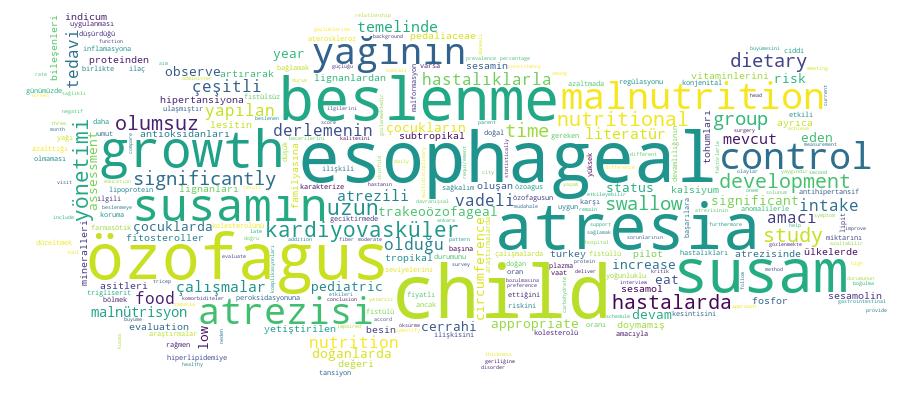
Competency Cloud

GCRIS Competency Cloud

Scholarly Output Search Results

Now showing 1 - 4 of 4
  • Article
    Susamın (Sesamum İndicum L.) Kardiyovasküler Hastalıklarla İlişkisi
    (2025-06-14) Adıgüzel, Kübra Tel; Konyalıgil, Dilara Berşan
    Susam (Sesamum indicum L.), Pedaliaceae familyasına ait olan ve hem tropikal hem de subtropikal ülkelerde yetiştirilen bir bitkidir. Ana bileşenleri yağ ve proteinden oluşan susamın besin değeri yüksektir. Tohumları kalsiyum ve fosfor mineralleri ile A, E, B1, B2 ve B3 vitaminlerini içermektedir. Susam ayrıca fitosteroller, lesitin, doymamış yağ asitleri ve lignanlardan da zengindir. Susam yağının ana lignanları olan sesamin, sesamol ve sesamolin, antioksidanları artırarak hipertansiyona, hiperlipidemiye, lipit peroksidasyonuna ve inflamasyona karşı koruma sağlamaktadır. Susam yağının antihipertansif etkili olduğu ve tansiyon regülasyonu için gereken ilaç miktarını azalttığı yapılan çalışmalarda gösterilmiştir. Araştırmalarda susam yağının plazma kolesterolünü, düşük yoğunluklu lipoprotein kolesterolü ve trigliserit seviyelerini düşürdüğü bulunmuştur. Susam yağı ile ilgili yapılan araştırmalar, susamın ateroskleroz riskini azaltmada ve kardiyovasküler hastalıkları geciktirmede umut vaat ettiğini göstermektedir. Uygun fiyatlı ve doğal olduğu için susam yağının farmasötik tedavi olarak uygulanması amaçlanmaktadır. Bu derlemenin amacı, susamın kardiyovasküler hastalıklarla ilişkisini çeşitli çalışmalar ve mevcut literatür temelinde özetlemektir.
  • Article
    Özofagus Atrezisinde Uzun Vadeli Sonuçlar: Beslenme Yönetimi ve Büyüme-Gelişme
    (2024-12-25) Konyalıgil, Dilara Berşan; Koç, Nevra
    Bu derlemenin amacı, özofagus atrezili hastalarda beslenme yönetimi, malnütrisyon ve büyüme-gelişme durumunu, çeşitli çalışmalar ve mevcut literatür temelinde özetlemektir. Özoagus atrezisi, trakeoözofageal fistüllü veya fistülsüz, özofagusun devamlılığının olmaması ile karakterize konjenital bir malformasyon olarak tanımlanmaktadır. Cerrahi tedavi; özofagus kesintisini düzeltmek ve varsa trakeoözofageal fistülü bağlamak ve bölmek amacıyla uygulanmaktadır. Günümüzde, ciddi ilişkili anomalilerle birlikte özofagus atrezisi ile doğanlarda sağkalım oranı ~%90'a ulaşmıştır ve tek başına özofagus atrezisi ile doğanlarda bu oran daha da yüksek olmaktadır. Ancak, bu başarılara rağmen, özofagus atrezisi ile doğan hastalarda uzun vadeli gastrointestinal ve solunum komplikasyonları, komorbiditeler yaygındır ve bu durum hastanın yaşam kalitesini olumsuz etkilemektedir. Cerrahi müdahale sonrası hastalarda beslenme güçlüğü sık gözlenmekte; özofagus atrezisinin uzun dönemli negatif etkileri, çocuklarda beslenme durumunun bozulmasına ve büyüme geriliğine neden olabilmektedir. Kusma, öksürme, boğulma gibi devam eden olumsuz olaylar, beslenme becerilerini olumsuz etkileyebilir, çocukların beslenmeye olan ilgilerini azaltabilir ve zamanla davranışsal faktörlerle devam eden beslenme güçlüklerine dönüşebilir. Yetersiz beslenen özofagus atrezili çocuklarda malnütrisyon sık gözlenmektedir ve bu çocukların sağlıklı büyümesini sağlamak için beslenme sorunlarının doğru yönetimi kritik önem taşımaktadır.
  • Article
    Malnutrition, Diet Quality, and Psychological Well-Being in Older Adults: A Hospital Outpatient Study
    (BMC, 2026-02-17) Cihan, Berna Betul; Naharci, Mehmet Ilkin; Konyaligil, Dilara Bersan; Topkaya, Merve Sena; Tel Adiguzel, Kubra; Koc, Nevra
    Background The ageing process can lead to malnutrition due to a variety of physiological and psychological issues. Investigating nutrition, lifestyle and psychological status is important for improving the health of the geriatric. The aim of this study was therefore to evaluate the relationship between malnutrition, dietary quality and psychological well-being in older adults. Methods One hundred three older adults treated at the Gülhane Training and Research Hospital Geriatrics polyclinic participated in this cross-sectional study. The researchers recorded sociodemographic characteristics, health information, anthropometric measurements, the Short Nutritional Assessment Questionnaire for 65 + (SNAQ(65+)) screening test, the Mediterranean Diet Adherence Scale (MEDAS) and the Psychological Well-Being Scale for the Older People (YPIOA) using a questionnaire during face-to-face interviews. Generalised Anxiety Disorder-7 (GAD-7) test was administered to older adults who applied to the geriatrics outpatient clinic at the time of application; individuals who did not meet the criteria were excluded from the study. Results The results of the study showed that the psychological well-being scale scores of individuals who strictly adhered to the Mediterranean diet (mean = 68.1) were significantly higher than those of individuals who did not adhere to the Mediterranean diet (mean = 59.5)(p < 0.05). Linear regression was used to evaluate older adults according to their MEDAS and YPIOA values. The test results revealed a significant positive correlation between the MEDAS score and the YPIOA (p < 0.05). However, no significant difference was found between the groups when the relationship between the MEDAS and SNAQ(65+) scores of older adults was evaluated (p > 0.05). Conclusion According to the results of the study, geriatric people who scored higher on the MEDAS also scored higher on the YPIOA. However, no significant relationship was found between SNAQ(65+) and MEDAS scores. These findings suggest that the quality of an individual's diet may affect not only their physical health, but also their psychological well-being. Therefore, treatment plans for the nutritional needs of older adults should take into consideration not only energy and nutrient intake, but also the individual's lifestyle, habits and psychological status.
  • Article
    Evaluation of Food Intake, Malnutrition, Growth and Development in Children With Esophageal Atresia: A Pilot Study From Turkey
    (BMC, 2025-11-03) Konyaligil, Dilara Bersan; Koc, Nevra; Caliskan, Dogus; Kara Uzun, Aysun; Senel, Emrah
    Background This study aimed to evaluate the relationships among nutritional intake, malnutrition, and growth and development in children under 2 years of age with esophageal atresia. Methods A survey was administered to the parents of healthy children and children with esophageal atresia who were followed up at Ankara City Hospital Pediatric Surgery Polyclinic. Nutrition education was provided, a follow-up visit was scheduled three months later, and the assessments were repeated. Results The study included 20 children with esophageal atresia and 40 controls under 2 years of age. Height-for-age, weight-for-age and head circumference measurements were significantly lower in children with esophageal atresia than in the control group (p < 0.05). At the second interview, triceps skinfold thickness for age and mid-upper arm circumference for age were also significantly lower in children with esophageal atresia compared to control group (p < 0.05). Statistically significant differences were observed in dietary and food consistency preferences, eating status, and swallowing function (p < 0.05). In addition, according to the Pediatric Eating Assessment Tool-10 and Screening Tool for Risk of Impaired Nutritional Status and Growth, a high prevalence of swallowing disorders and a moderate risk of malnutrition were identified in children with esophageal atresia (p < 0.05). At the end of follow-up, significant increases in weight-for-age and height-for-age z scores were observed over time in children with esophageal atresia (p < 0.05). Furthermore, the percentages meeting daily requirements for protein, carbohydrates and dietary fiber increased over time (p < 0.05). Swallowing symptoms improved over time in children with esophageal atresia, and their current dietary patterns remained significantly different from those of the control group (p < 0.05). Conclusions Appropriate nutritional support delivered with a multidisciplinary approach and long-term follow-up can help children to achieve a growth rate appropriate for their peers.