
Topallı, Damla
Loading...

Profile URL
Name Variants
D.,Topallı
Topallı,D.
Damla, Topalli
Topalli, D.
D., Topalli
Topallı, Damla
D.,Topalli
T.,Damla
Topalli,D.
Damla, Topallı
D., Topallı
Topalli, Damla
T., Damla
Topallı,D.
Damla, Topalli
Topalli, D.
D., Topalli
Topallı, Damla
D.,Topalli
T.,Damla
Topalli,D.
Damla, Topallı
D., Topallı
Topalli, Damla
T., Damla
Job Title
Doktor Öğretim Üyesi
Email Address
damla.topalli@atilim.edu.tr
Main Affiliation
Information Systems Engineering
Status
Website
ORCID ID
Scopus Author ID
Turkish CoHE Profile ID
Google Scholar ID
WoS Researcher ID
Sustainable Development Goals
 1
1NO POVERTY
0
Research Products
 2
2ZERO HUNGER
0
Research Products
 3
3GOOD HEALTH AND WELL-BEING
0
Research Products
 4
4QUALITY EDUCATION
11
Research Products
 5
5GENDER EQUALITY
0
Research Products
 6
6CLEAN WATER AND SANITATION
0
Research Products
 7
7AFFORDABLE AND CLEAN ENERGY
0
Research Products
 8
8DECENT WORK AND ECONOMIC GROWTH
1
Research Products
 9
9INDUSTRY, INNOVATION AND INFRASTRUCTURE
0
Research Products
 10
10REDUCED INEQUALITIES
0
Research Products
 11
11SUSTAINABLE CITIES AND COMMUNITIES
0
Research Products
 12
12RESPONSIBLE CONSUMPTION AND PRODUCTION
0
Research Products
 13
13CLIMATE ACTION
0
Research Products
 14
14LIFE BELOW WATER
0
Research Products
 15
15LIFE ON LAND
0
Research Products
 16
16PEACE, JUSTICE AND STRONG INSTITUTIONS
0
Research Products
 17
17PARTNERSHIPS FOR THE GOALS
1
Research Products

Documents
14
Citations
266
h-index
6

Documents
0
Citations
0

Scholarly Output
39
Articles
12
Views / Downloads
233/1774
Supervised MSc Theses
12
Supervised PhD Theses
4
WoS Citation Count
193
Scopus Citation Count
263
Patents
0
Projects
0
WoS Citations per Publication
4.95
Scopus Citations per Publication
6.74
Open Access Source
5
Supervised Theses
16
| Journal | Count |
|---|---|
| 9th Annual International Conference of Education, Research and Innovation (iCERi) -- NOV 14-16, 2016 -- Seville, SPAIN | 4 |
| 9th International Conference on Education and New Learning Technologies (EDULEARN) -- JUL 03-05, 2017 -- Barcelona, SPAIN | 2 |
| 2016 Medical Technologies National Conference, TIPTEKNO 2016 -- 2016 Medical Technologies National Conference, TIPTEKNO 2016 -- 27 October 2016 through 29 October 2016 -- Antalya -- 126633 | 2 |
| Journal of Eye Movement Research | 2 |
| Medical Technologies National Conference (TIPTEKNO) -- OCT 27-29, 2016 -- Antalya, TURKEY | 2 |
Current Page: 1 / 3
Scopus Quartile Distribution
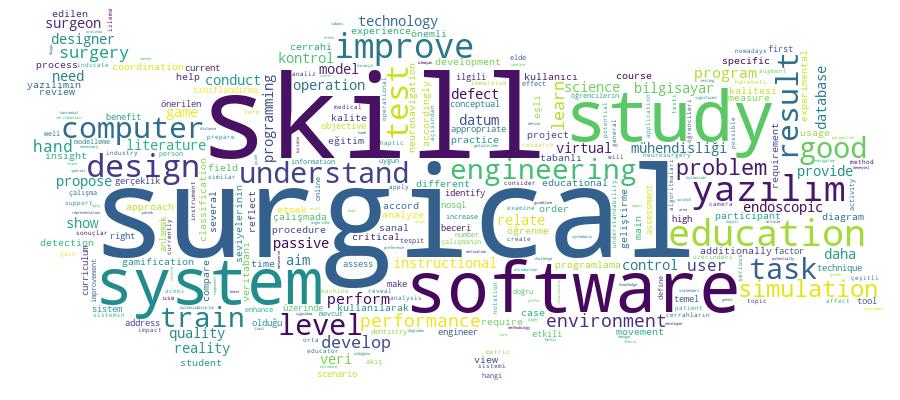
Competency Cloud
4 results
Scholarly Output Search Results
Now showing 1 - 4 of 4
Article Citation - Scopus: 1A User Task Design Notation for Improved Software Design(PeerJ Inc., 2021) Ozcan,E.; Topalli,D.; Tokdemir,G.; Cagiltay,N.E.System design is recognized as one of the most critical components of a software system that bridges system requirements and coding. System design also has a significant impact on testing and maintenance activities, and on further improvements during the lifespan of the software system. Software design should reflect all necessary components of the requirements in a clear and understandable manner by all stakeholders of the software system. To distinguish system elements, separation of concerns in software design is suggested. In this respect, identification of the user tasks, i.e., the tasks that need to be performed by the user, is not currently reflected explicitly in system design documents. Our main assumption in this study is that software quality can be improved significantly by clearly identifying the user tasks from those that need to be performed by the computer system itself. Additionally, what we propose has the potential to better reflect the user requirements and main objectives of the system on the software design and thereby to improve software quality. The main aim of this study is to introduce a novel notation for software developers in the frame of UML Activity Diagram (UMLAD) that enables designers to identify the user tasks and define them separately from the system tasks. For this purpose, an extension of UML-AD, named UML-ADE (UML-Activity Diagram Extended) was proposed. Afterwards, it was implemented in a serious game case for which the specification of user tasks is extremely important. Finally, its effectiveness was analyzed and compared to UML-AD experimentally with 72 participants. The defect detection performance of the participants on both diagrams with two real-life serious game scenarios was evaluated. Results show a higher level of understandability for those using UML-ADE, which in turn may indicate a better design and higher software quality. The results encourage researchers to develop specific design representations dedicated to task design to improve system quality and to conduct further evaluations of the impact of these design on each of the above mentioned potential benefits for the software systems. © Copyright 2021 Ozcan et al.Article A User Task Design Notation for Improved Software Design(Peerj inc, 2021) Ozcan, Eda; Topalli, Damla; Tokdemir, Gul; Cagiltay, Nergiz ErcilSystem design is recognized as one of the most critical components of a software system that bridges system requirements and coding. System design also has a significant impact on testing and maintenance activities, and on further improvements during the lifespan of the software system. Software design should reflect all necessary components of the requirements in a clear and understandable manner by all stakeholders of the software system. To distinguish system elements, separation of concerns in software design is suggested. In this respect, identification of the user tasks, i.e., the tasks that need to be performed by the user, is not currently reflected explicitly in system design documents. Our main assumption in this study is that software quality can be improved significantly by clearly identifying the user tasks from those that need to be performed by the computer system itself. Additionally, what we propose has the potential to better reflect the user requirements and main objectives of the system on the software design and thereby to improve software quality. The main aim of this study is to introduce a novel notation for software developers in the frame of UML Activity Diagram (UML-AD) that enables designers to identify the user tasks and define them separately from the system tasks. For this purpose, an extension of UML-AD, named UML-ADE (UML-Activity Diagram Extended) was proposed. Afterwards, it was implemented in a serious game case for which the specification of user tasks is extremely important. Finally, its effectiveness was analyzed and compared to UML-AD experimentally with 72 participants. The defect detection performance of the participants on both diagrams with two real-life serious game scenarios was evaluated. Results show a higher level of understandability for those using UML-ADE, which in turn may indicate a better design and higher software quality. The results encourage researchers to develop specific design representations dedicated to task design to improve system quality and to conduct further evaluations of the impact of these design on each of the above mentioned potential benefits for the software systems.Master Thesis Yazılım Test Seviyelerinin Uygulanması: Yazılım Sektöründe Bir Örnek Çalışma(2024) Onat, Kübra Korkmaz; Topallı, DamlaYazılım test seviyeleri, kusurları ve hataları erken tespit ederek, yazılımın kararlılığını artırarak, gereksinimlere uygunluğu doğrulayarak, kullanıcı memnuniyetini artırarak ve yazılım kusurlarıyla ilgili maliyet ve riskleri azaltarak yazılım kalitesinin güvence altına alınmasında çok önemli bir rol oynar. Hataların zamanında tespit edilmesi durumunda, yazılım geliştirme sürecinin daha erken bir aşamasında, geliştirilen yazılım daha kaliteli olacak ve sistem arızası riskleri azalacaktır. Ek olarak, test seviyeleri sistem bileşenlerinin birlikte doğru şekilde çalışmasını sağlar ve bu da yazılımın güvenilirliğinin artmasına yol açar. Bir diğer önemli husus, yazılımın kullanıcı beklentilerini karşılamasını, amaçlanan işlevsellik ve performansı karşılamasını sağlamaktır. Bu nedenle, oluşturulan yazılımın kalitesi, Yazılım Geliştirme Yaşam Döngüsü'ndeki (SDLC) test seviyelerinin uygun şekilde uygulanmasından doğrudan etkilenir. Literatürde dört ana test düzeyi tartışılmaktadır: bireysel birimleri veya bileşenleri test etmek için birim testi, farklı bileşenler ve modüller arasındaki etkileşimleri ve arayüzleri test etmek için entegrasyon testi, sistemi bir bütün olarak test etmek için sistem testi ve test etmek için kullanıcı kabul testi. Yazılımın kullanıcının gereksinimlerine ve beklentilerine uygun olması. Buna göre bu araştırmanın temel amacı literatürde önerilen test seviyelerini ve yöntemlerini gözden geçirmek, bunların yazılım kalitesi üzerindeki etkilerini anlamak ve bu test seviyelerinin yazılım endüstrisinde nasıl kullanıldığını analiz etmektir. Bu doğrultuda Yazılım Sektöründen on yazılım uzmanıyla yarı yapılandırılmış bir görüşme gerçekleştirilmiştir. Mülakat soruları arasında yazılım kalitesine en çok hangi test seviyelerinin katkı sağladığı, mevcut projelerinde hangi test seviyelerinin kullanıldığı, projelerinde kullanılan test stratejisi, test stratejisi seçimini hangi faktörlerin etkilediği ve kimlerin kullandığı yer almaktadır. Testleri yapan geliştirici veya bağımsız bir ekibin bu konuda daha iyi olduğu görülmüştür. Elde edilen sonuçların, yazılım sektöründe test seviyelerinin uygulanması ve projelerin belirli alanları için test seviyelerinin yazılım kalitesi açısından ne kadar etkili olduğu konusunda fikir vermesi beklenmektedir.Master Thesis Yazılım Test Seviyelerinin Uygulanması: Yazılım Sektöründe Bir Örnek Çalışma(2024) Onat, Kübra Korkmaz; Topallı, DamlaYazılım test seviyeleri, kusurları ve hataları erken tespit ederek, yazılımın kararlılığını artırarak, gereksinimlere uygunluğu doğrulayarak, kullanıcı memnuniyetini artırarak ve yazılım kusurlarıyla ilgili maliyet ve riskleri azaltarak yazılım kalitesinin güvence altına alınmasında çok önemli bir rol oynar. Hataların zamanında tespit edilmesi durumunda, yazılım geliştirme sürecinin daha erken bir aşamasında, geliştirilen yazılım daha kaliteli olacak ve sistem arızası riskleri azalacaktır. Ek olarak, test seviyeleri sistem bileşenlerinin birlikte doğru şekilde çalışmasını sağlar ve bu da yazılımın güvenilirliğinin artmasına yol açar. Bir diğer önemli husus, yazılımın kullanıcı beklentilerini karşılamasını, amaçlanan işlevsellik ve performansı karşılamasını sağlamaktır. Bu nedenle, oluşturulan yazılımın kalitesi, Yazılım Geliştirme Yaşam Döngüsü'ndeki (SDLC) test seviyelerinin uygun şekilde uygulanmasından doğrudan etkilenir. Literatürde dört ana test düzeyi tartışılmaktadır: bireysel birimleri veya bileşenleri test etmek için birim testi, farklı bileşenler ve modüller arasındaki etkileşimleri ve arayüzleri test etmek için entegrasyon testi, sistemi bir bütün olarak test etmek için sistem testi ve test etmek için kullanıcı kabul testi. Yazılımın kullanıcının gereksinimlerine ve beklentilerine uygun olması. Buna göre bu araştırmanın temel amacı literatürde önerilen test seviyelerini ve yöntemlerini gözden geçirmek, bunların yazılım kalitesi üzerindeki etkilerini anlamak ve bu test seviyelerinin yazılım endüstrisinde nasıl kullanıldığını analiz etmektir. Bu doğrultuda Yazılım Sektöründen on yazılım uzmanıyla yarı yapılandırılmış bir görüşme gerçekleştirilmiştir. Mülakat soruları arasında yazılım kalitesine en çok hangi test seviyelerinin katkı sağladığı, mevcut projelerinde hangi test seviyelerinin kullanıldığı, projelerinde kullanılan test stratejisi, test stratejisi seçimini hangi faktörlerin etkilediği ve kimlerin kullandığı yer almaktadır. Testleri yapan geliştirici veya bağımsız bir ekibin bu konuda daha iyi olduğu görülmüştür. Elde edilen sonuçların, yazılım sektöründe test seviyelerinin uygulanması ve projelerin belirli alanları için test seviyelerinin yazılım kalitesi açısından ne kadar etkili olduğu konusunda fikir vermesi beklenmektedir.
