Güney, Murat Can

Loading...
Profile Picture
Name Variants
G.,Murat Can
G., Murat Can
Guney,M.C.
Güney, Murat Can
Guney, M. C.
Murat Can, Guney
M.C.Guney
M.,Güney
M. C. Güney
M. C. Guney
M.C.Güney
M., Guney
Güney,M.C.
Guney, Murat Can
Güney M.
Murat Can, Güney
Job Title
Doktor Öğretim Üyesi
Email Address
murat.guney@atilim.edu.tr
Main Affiliation
Internal Medical Sciences
Status
Website
ORCID ID
Scopus Author ID
Turkish CoHE Profile ID
Google Scholar ID
WoS Researcher ID

Sustainable Development Goals

3

GOOD HEALTH AND WELL-BEING
GOOD HEALTH AND WELL-BEING Logo

2

Research Products
Documents

19

Citations

47

h-index

4

Documents

21

Citations

44

Scholarly Output

8

Articles

7

Views / Downloads

22/0

Supervised MSc Theses

0

Supervised PhD Theses

0

WoS Citation Count

8

Scopus Citation Count

10

WoS h-index

2

Scopus h-index

2

Patents

0

Projects

0

WoS Citations per Publication

1.00

Scopus Citations per Publication

1.25

Open Access Source

7

Supervised Theses

0

Google Analytics Visitor Traffic

JournalCount
Medicina2
Brazilian Journal of Cardiovascular Surgery1
Journal of Cardiovascular Development and Disease1
Advances in Interventional Cardiology1
Texas Heart Institute Journal1
Current Page: 1 / 2

Scopus Quartile Distribution

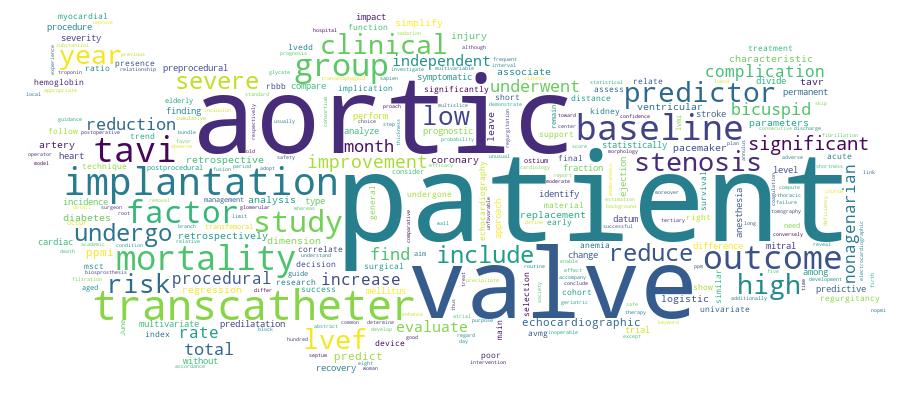
Competency Cloud

GCRIS Competency Cloud

Scholarly Output Search Results

Now showing 1 - 1 of 1
  • Article
    Predictive Factors of Cardiac Function Recovery and Mortality in Patients With Reduced Ejection Fraction Undergoing Transcatheter Aortic Valve Implantation
    (Mdpi, 2025) Guney, Murat Can; Suygun, Hakan; Polat, Melike; Ayhan, Huseyin; Keles, Telat; Ertop, Zeynep Seyma Turinay; Bozkurt, Engin
    Background and Objectives: Patients with reduced left ventricular ejection fraction (LVEF) are reported to have unfavorable outcomes following transcatheter aortic valve implantation (TAVI). This study aims to evaluate outcomes and identify predictive factors for LVEF recovery following TAVI in patients with reduced LVEF. Materials and Methods: This retrospective study analyzed 114 patients with symptomatic severe aortic stenosis (AS) with LVEF < 40% who underwent TAVI between 2011 and 2023 at two centers. Echocardiographic parameters, including LVEF, ventricular dimensions, and relative wall thickness (RWT), were assessed at baseline and during follow-up. The outcomes and predictors of substantial LVEF improvement and mortality were analyzed using univariate and multivariate logistic regression methods. Results: Anemia (OR = 4.345, 95% CI: 1.208-15.626, p = 0.024), RWT (OR = 1.224, 95% CI: 1.064-1.407, p = 0.005), and early post-procedural changes in left ventricular end-systolic dimension (LVESD) (OR = 1.297, 95% CI: 1.037-1.622, p = 0.023) and left ventricular end-diastolic dimension (LVEDD) (OR = 1.346, 95% CI: 1.034-1.753, p = 0.027) at one-month follow-up were identified as significant factors associated with LVEF recovery at one year. Regarding factors related to mortality, higher baseline AVMG levels were associated with a lower probability of death after one year (OR = 0.926, 95% CI: 0.875-0.979, p = 0.007). Conversely, a more limited increase in LVEF from baseline to the final follow-up was linked to poor prognosis and higher mortality at one year (95% CI: 1.045-1.594, p = 0.018). Conclusions: This study demonstrated that TAVI in patients with AS and reduced LVEF can be performed with high procedural success, low mortality, and significant improvement in cardiac function during follow-up. Additionally, anemia, baseline RWT, and early post-procedural changes in LVESD and LVEDD were identified as factors associated with LVEF recovery. Baseline AVMG and changes in LVEF at the final follow-up were found to be significant predictors of total mortality.