Dursun, Ali Doğan

Loading...
Profile Picture
Name Variants
Dursun, Ali D. D.
D. Dursun
D.,Ali Dogan
Dursun A.
A., Dursun
Dursun, Ali
Ali Doan
Dursun, Ali Dogan
Dursun, A. D.
A.,Dursun
Dursun,A.D.
D., Ali Doğan
Dursun, Ali Doğan
D.,Ali Doğan
A.D.Dursun
Ali Doğan, Dursun
A. D. Dursun
Dursun, Ali D.
Ali Dogan, Dursun
D., Ali Dogan
Job Title
Doçent Doktor
Email Address
ali.dursun@atilim.edu.tr
Main Affiliation
Basic Sciences
Status
Website
Scopus Author ID
Turkish CoHE Profile ID
Google Scholar ID
WoS Researcher ID

Sustainable Development Goals

5

GENDER EQUALITY
GENDER EQUALITY Logo

1

Research Products

14

LIFE BELOW WATER
LIFE BELOW WATER Logo

2

Research Products

10

REDUCED INEQUALITIES
REDUCED INEQUALITIES Logo

0

Research Products

3

GOOD HEALTH AND WELL-BEING
GOOD HEALTH AND WELL-BEING Logo

17

Research Products

2

ZERO HUNGER
ZERO HUNGER Logo

0

Research Products

9

INDUSTRY, INNOVATION AND INFRASTRUCTURE
INDUSTRY, INNOVATION AND INFRASTRUCTURE Logo

1

Research Products

16

PEACE, JUSTICE AND STRONG INSTITUTIONS
PEACE, JUSTICE AND STRONG INSTITUTIONS Logo

1

Research Products

11

SUSTAINABLE CITIES AND COMMUNITIES
SUSTAINABLE CITIES AND COMMUNITIES Logo

0

Research Products

8

DECENT WORK AND ECONOMIC GROWTH
DECENT WORK AND ECONOMIC GROWTH Logo

0

Research Products

13

CLIMATE ACTION
CLIMATE ACTION Logo

0

Research Products

4

QUALITY EDUCATION
QUALITY EDUCATION Logo

0

Research Products

6

CLEAN WATER AND SANITATION
CLEAN WATER AND SANITATION Logo

1

Research Products

1

NO POVERTY
NO POVERTY Logo

0

Research Products

15

LIFE ON LAND
LIFE ON LAND Logo

0

Research Products

17

PARTNERSHIPS FOR THE GOALS
PARTNERSHIPS FOR THE GOALS Logo

0

Research Products

7

AFFORDABLE AND CLEAN ENERGY
AFFORDABLE AND CLEAN ENERGY Logo

1

Research Products

12

RESPONSIBLE CONSUMPTION AND PRODUCTION
RESPONSIBLE CONSUMPTION AND PRODUCTION Logo

0

Research Products
This researcher does not have a Scopus ID.
Documents

71

Citations

530

Scholarly Output

41

Articles

38

Views / Downloads

10/0

Supervised MSc Theses

1

Supervised PhD Theses

0

WoS Citation Count

240

Scopus Citation Count

251

WoS h-index

10

Scopus h-index

11

Patents

0

Projects

0

WoS Citations per Publication

5.85

Scopus Citations per Publication

6.12

Open Access Source

25

Supervised Theses

1

Google Analytics Visitor Traffic

JournalCount
International Journal of General Medicine4
Drug Design, Development and Therapy3
Medicina3
Gazi Medical Journal2
Bratislava Medical Journal2
Current Page: 1 / 6

Scopus Quartile Distribution

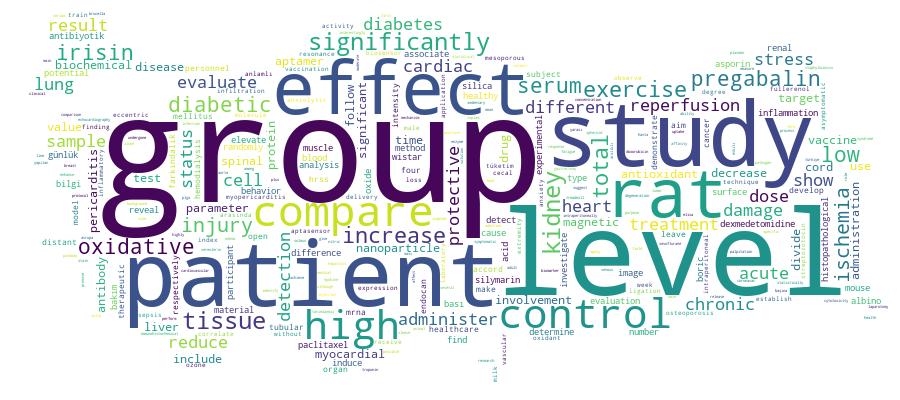
Competency Cloud

GCRIS Competency Cloud

Scholarly Output Search Results

Now showing 1 - 3 of 3
  • Article
    Citation - WoS: 8
    Ozone Administration Reduces Myocardial Ischemia Reperfusion Injury in Streptozotocin-Induced Diabetes Mellitus Rat Model
    (Baycinar Medical Publishing, 2024) Gulcan, M.B.; Demirtas, H.; Ozer, A.; Yıgman, Z.; Dursun, A.D.; Arslan, M.; Oktar, G.L.
    Objective: This study aimed to investigate the effects of ozone therapy on myocardial ischemia/reperfusion injury in a diabetic rat model. Methods: The experimental study included 38 male Wistar Albino rats weighing between 200 and 250 g. The rats were randomly assigned to five groups. The sham group included six rats, while the other groups had eight rats each. The other groups were the diabetic ozone group, the diabetic group, the diabetic ischemia/reperfusion group (DIR), and the diabetic ischemia/reperfusion ozone group (DIRO). A total of 32 rats received 65 mg/kg streptozotocin, and a week after the administration, diabetes was confirmed by measuring blood sugar. The rats were fed ad libitum for 40 days to reveal macrovascular complications of diabetes. Malondialdehyde, catalase, superoxide dismutase, paraoxonase-1, total oxidative status, total antioxidant status, and oxidative stress index were assessed. A TUNEL (terminal deoxynucleotidyl transferase dUTP nick end labeling) assay was employed to assess apoptosis. Results: Histologic and biochemical assessments showed the benefits of ozone in myocardial ischemia/reperfusion injury in diabetic rats. The DIRO group was found to be superior to the DIR group. Conclusion: Ozone has cardioprotective effects in streptozotocin-induced diabetic rats through its antioxidant properties against oxidative stress. The study is unique in terms of ozone’s protective effects in diabetic rats against myocardial ischemia/reperfusion injury. However, further studies are needed to confirm our findings. © (2024), (Baycinar Medical Publishing). All rights reserved.
  • Article
    Effects of Pomegranate Seed Oil on Lower Extremity Ischemia-Reperfusion Damage: Insights into Oxidative Stress, Inflammation, and Cell Death
    (MDPI, 2025) Bozok, Ummu Gulsen; Ergorun, Aydan Iremnur; Kucuk, Aysegul; Yigman, Zeynep; Dursun, Ali Dogan; Arslan, Mustafa
    Aim: This study sought to clarify the therapeutic benefits and mechanisms of action of pomegranate seed oil (PSO) in instances of ischemia–reperfusion (IR) damage in the lower extremities. Materials and Methods: The sample size was determined, then 32 rats were randomly allocated to four groups: Control (C), ischemia–reperfusion (IR), low-dose PSO (IR + LD, 0.15 mL/kg), and high-dose PSO (IR + HD, 0.30 mL/kg). The ischemia model in the IR group was established by occluding the infrarenal aorta for 120 min. Prior to reperfusion, PSO was delivered to the IR + LD and IR + HD groups at doses of 0.15 mL/kg and 0.30 mL/kg, respectively, followed by a 120 min reperfusion period. Subsequently, blood and tissue specimens were obtained. Statistical investigation was executed utilizing Statistical Package for the Social Sciences version 20.0 (SPSS, IBM Corp., Armonk, NY, USA). Results: Biochemical tests revealed significant variations in total antioxidant level (TAS), total oxidant level (TOS), and the oxidative stress index (OSI) across the groups (p < 0.0001). The IR group had elevated TOS and OSI levels, whereas PSO therapy resulted in a reduction in these values (p < 0.05). As opposed to the IR group, TASs were higher in the PSO-treated groups. Histopathological analysis demonstrated muscle fiber degeneration, interstitial edema, and the infiltration of cells associated with inflammation in the IR group, with analogous results noted in the PSO treatment groups. Immunohistochemical analysis revealed that the expressions of Tumor Necrosis Factor-alpha (TNF-α), Nuclear Factor kappa B (NF-κB), cytochrome C (CYT C), and caspase 3 (CASP3) were elevated in the IR group, while PSO treatment diminished these markers and attenuated inflammation and apoptosis (p < 0.05). The findings demonstrate that PSO has a dose-dependent impact on IR injury. Discussion: This research indicates that PSO has significant protective benefits against IR injury in the lower extremities. PSO mitigated tissue damage and maintained mitochondrial integrity by addressing oxidative stress, inflammation, and apoptotic pathways. Particularly, high-dose PSO yielded more substantial enhancements in these processes and exhibited outcomes most comparable to the control group in biochemical, histological, and immunohistochemical investigations. These findings underscore the potential of PSO as an efficacious natural treatment agent for IR injury. Nevertheless, additional research is required to articulate this definitively.
  • Article
    Protective Role of Bromelain’s Antioxidant and Anti-Inflammatory Effects in Experimental Lower Limb Ischemia-Reperfusion Injury
    (Nature Portfolio, 2025) Sezen, Saban Cem; Demirtas, Huseyin; Yildirim, Alperen Kutay; Ozer, Abdullah; Dursun, Ali Dogan; Kucuk, Aysegul; Arslan, Mustafa; Ozalp, Veli Cengiz; Kucuk, Işın Gunes
    Ischemia-reperfusion (IR) injury is a multifaceted pathological process characterized by excessive oxidative stress and inflammatory responses upon restoration of blood flow. Bromelain, a proteolytic enzyme complex derived from pineapple, exhibits robust antioxidant and anti-inflammatory activities. This study aimed to evaluate the protective effects and underlying mechanisms of bromelain on oxidative stress and inflammation in an experimental rat model of lower limb ischemia-reperfusion injury. Twenty-four male Wistar Albino rats were randomly allocated into four groups: Sham-operated control (SHAM), Bromelain-only (BR), Ischemia-Reperfusion (IR), and Ischemia-Reperfusion with Bromelain treatment (IR + BR). Bromelain (40 mg/kg) was administered intraperitoneally before ischemia induction. The IR model involved 45 min of infrarenal abdominal aorta occlusion followed by 120 min of reperfusion. Oxidative biomarkers (total antioxidant status [TAS], total oxidant status [TOS], oxidative stress index [OSI]) and histopathological parameters (muscle atrophy, degeneration, leukocyte infiltration, internalization of nuclei, fragmentation, and hyalinization) were analyzed. Significant increases in muscle degeneration, leukocyte infiltration, nuclear internalization, fragmentation, and elevated oxidative stress biomarkers (increased TOS and OSI, decreased TAS) were observed in the IR group compared to controls. Bromelain treatment (IR + BR) significantly ameliorated these effects, reducing muscle tissue damage, inflammation, and oxidative imbalance compared to the untreated IR group. Bromelain effectively mitigates lower limb ischemia-reperfusion injury by reducing oxidative stress, restoring antioxidant capacity, and suppressing inflammatory responses. These protective effects suggest that bromelain holds potential as a therapeutic agent for managing oxidative and inflammatory damages associated with IR conditions, warranting further clinical investigation.