Dursun, Ali Doğan

Loading...
Profile Picture
Name Variants
Dursun, Ali D. D.
D. Dursun
D.,Ali Dogan
Dursun A.
A., Dursun
Dursun, Ali
Ali Doan
Dursun, Ali Dogan
Dursun, A. D.
A.,Dursun
Dursun,A.D.
D., Ali Doğan
Dursun, Ali Doğan
D.,Ali Doğan
A.D.Dursun
Ali Doğan, Dursun
A. D. Dursun
Dursun, Ali D.
Ali Dogan, Dursun
D., Ali Dogan
Job Title
Doçent Doktor
Email Address
ali.dursun@atilim.edu.tr
Main Affiliation
Basic Sciences
Status
Website
Scopus Author ID
Turkish CoHE Profile ID
Google Scholar ID
WoS Researcher ID

Sustainable Development Goals

NO POVERTY1
NO POVERTY
0
Research Products
ZERO HUNGER2
ZERO HUNGER
0
Research Products
GOOD HEALTH AND WELL-BEING3
GOOD HEALTH AND WELL-BEING
18
Research Products
QUALITY EDUCATION4
QUALITY EDUCATION
0
Research Products
GENDER EQUALITY5
GENDER EQUALITY
1
Research Products
CLEAN WATER AND SANITATION6
CLEAN WATER AND SANITATION
1
Research Products
AFFORDABLE AND CLEAN ENERGY7
AFFORDABLE AND CLEAN ENERGY
1
Research Products
DECENT WORK AND ECONOMIC GROWTH8
DECENT WORK AND ECONOMIC GROWTH
0
Research Products
INDUSTRY, INNOVATION AND INFRASTRUCTURE9
INDUSTRY, INNOVATION AND INFRASTRUCTURE
1
Research Products
REDUCED INEQUALITIES10
REDUCED INEQUALITIES
0
Research Products
SUSTAINABLE CITIES AND COMMUNITIES11
SUSTAINABLE CITIES AND COMMUNITIES
0
Research Products
RESPONSIBLE CONSUMPTION AND PRODUCTION12
RESPONSIBLE CONSUMPTION AND PRODUCTION
0
Research Products
CLIMATE ACTION13
CLIMATE ACTION
0
Research Products
LIFE BELOW WATER14
LIFE BELOW WATER
2
Research Products
LIFE ON LAND15
LIFE ON LAND
0
Research Products
PEACE, JUSTICE AND STRONG INSTITUTIONS16
PEACE, JUSTICE AND STRONG INSTITUTIONS
1
Research Products
PARTNERSHIPS FOR THE GOALS17
PARTNERSHIPS FOR THE GOALS
0
Research Products
This researcher does not have a Scopus ID.
Documents

71

Citations

530

Scholarly Output

46

Articles

43

Views / Downloads

269/2048

Supervised MSc Theses

1

Supervised PhD Theses

0

WoS Citation Count

240

Scopus Citation Count

254

Patents

0

Projects

0

WoS Citations per Publication

5.22

Scopus Citations per Publication

5.52

Open Access Source

29

Supervised Theses

1

JournalCount
International Journal of General Medicine4
Drug Design, Development and Therapy3
Medicina3
Sakarya Tıp Dergisi2
Journal of Updates in Cardiovascular Medicine2
Current Page: 1 / 7

Scopus Quartile Distribution

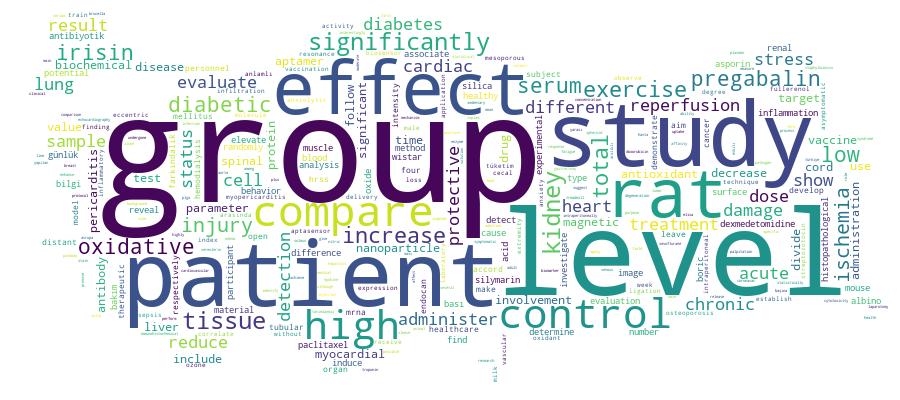
Competency Cloud

GCRIS Competency Cloud

Scholarly Output Search Results

Now showing 1 - 2 of 2
  • Article
    Effects of Pomegranate Seed Oil on Lower Extremity Ischemia-Reperfusion Damage: Insights into Oxidative Stress, Inflammation, and Cell Death
    (MDPI, 2025) Bozok, Ummu Gulsen; Ergorun, Aydan Iremnur; Kucuk, Aysegul; Yigman, Zeynep; Dursun, Ali Dogan; Arslan, Mustafa
    Aim: This study sought to clarify the therapeutic benefits and mechanisms of action of pomegranate seed oil (PSO) in instances of ischemia–reperfusion (IR) damage in the lower extremities. Materials and Methods: The sample size was determined, then 32 rats were randomly allocated to four groups: Control (C), ischemia–reperfusion (IR), low-dose PSO (IR + LD, 0.15 mL/kg), and high-dose PSO (IR + HD, 0.30 mL/kg). The ischemia model in the IR group was established by occluding the infrarenal aorta for 120 min. Prior to reperfusion, PSO was delivered to the IR + LD and IR + HD groups at doses of 0.15 mL/kg and 0.30 mL/kg, respectively, followed by a 120 min reperfusion period. Subsequently, blood and tissue specimens were obtained. Statistical investigation was executed utilizing Statistical Package for the Social Sciences version 20.0 (SPSS, IBM Corp., Armonk, NY, USA). Results: Biochemical tests revealed significant variations in total antioxidant level (TAS), total oxidant level (TOS), and the oxidative stress index (OSI) across the groups (p < 0.0001). The IR group had elevated TOS and OSI levels, whereas PSO therapy resulted in a reduction in these values (p < 0.05). As opposed to the IR group, TASs were higher in the PSO-treated groups. Histopathological analysis demonstrated muscle fiber degeneration, interstitial edema, and the infiltration of cells associated with inflammation in the IR group, with analogous results noted in the PSO treatment groups. Immunohistochemical analysis revealed that the expressions of Tumor Necrosis Factor-alpha (TNF-α), Nuclear Factor kappa B (NF-κB), cytochrome C (CYT C), and caspase 3 (CASP3) were elevated in the IR group, while PSO treatment diminished these markers and attenuated inflammation and apoptosis (p < 0.05). The findings demonstrate that PSO has a dose-dependent impact on IR injury. Discussion: This research indicates that PSO has significant protective benefits against IR injury in the lower extremities. PSO mitigated tissue damage and maintained mitochondrial integrity by addressing oxidative stress, inflammation, and apoptotic pathways. Particularly, high-dose PSO yielded more substantial enhancements in these processes and exhibited outcomes most comparable to the control group in biochemical, histological, and immunohistochemical investigations. These findings underscore the potential of PSO as an efficacious natural treatment agent for IR injury. Nevertheless, additional research is required to articulate this definitively.
  • Article
    Citation - WoS: 5
    Evaluation of the Efficacy of Silymarin and Dexmedetomidine on Kidney and Lung Tissue in the Treatment of Sepsis in Rats With Cecal Perforation
    (Spandidos Publ Ltd, 2024) Yavuz, Aydin; Kucuk, Aysegul; Ergorun, Aydan Iremnur; Dursun, Ali Dogan; Yigman, Zeynep; Alkan, Metin; Arslan, Mustafa
    Sepsis is a systemic inflammatory response syndrome that develops in the host against microorganisms. This response develops away from the primary infection site and results in end-organ damage. The present study aimed to investigate the protective and therapeutic effects on lung and kidney tissue of silymarin (S) and dexmedetomidine (DEX) applied 1 h before and after sepsis induced by the cecal ligation and puncture (CLP) method in rats. A total of 62 rats was randomly divided into eight groups: i) Control (n=6); ii) cecal perforation (CLP; n=8); iii) S + CLP (n=8; S + CLP; S administered 1 h before CPL); iv) CLP + S (n=8; S administered 1 h after CLP); v) DEX + CLP (n=8; D + CLP; DEX administered 1 h before CLP); vi) CLP + D (n=8; DEX administered 1 h after CLP); vii) SD + CLP (n=8; S and DEX administered 1 h before CLP) and viii) CLP + SD (n=8; S and DEX administered 1 h after CLP). After the cecum filled with stool, it was tied with 3/0 silk under the ileocecal valve and the anterior surface of the cecum was punctured twice with an 18-gauge needle. A total of 100 mg/kg silymarin and 100 mu g/kg DEX were administered intraperitoneally to the treatment groups. Lung and kidney tissue samples were collected to evaluate biochemical and histopathological parameters. In the histopathological examination, all parameters indicating kidney injury; interstitial edema, peritubular capillary dilatation, vacuolization, ablation of tubular epithelium from the basement membrane, loss of brush border in the proximal tubule epithelium, cell swelling and nuclear defragmentation; were increased in the CLP compared with the control group. Silymarin administration increased kidney damage, including ablation of tubular epithelium from the basement membrane, compared with that in the CLP group. DEX significantly reduced kidney damage compared with the CLP and silymarin groups. The co-administration of DEX + silymarin decreased kidney damage, although it was not as effective as DEX-alone. To conclude, intraperitoneal DEX ameliorated injury in CLP rats. DEX + silymarin partially ameliorated injury but silymarin administration increased damage. As a result, silymarin has a negative effects with this dosage and DEX has a protective effect. In the present study, it was determined that using the two drugs together had a greater therapeutic effect than silymarin and no differences in the effects were not observed any when the application times of the agents were changed.