
Dursun, Ali Doğan
Loading...
Profile URL
Name Variants
Dursun, Ali D. D.
D. Dursun
D.,Ali Dogan
Dursun A.
A., Dursun
Dursun, Ali
Ali Doan
Dursun, Ali Dogan
Dursun, A. D.
A.,Dursun
Dursun,A.D.
D., Ali Doğan
Dursun, Ali Doğan
D.,Ali Doğan
A.D.Dursun
Ali Doğan, Dursun
A. D. Dursun
Dursun, Ali D.
Ali Dogan, Dursun
D., Ali Dogan
D. Dursun
D.,Ali Dogan
Dursun A.
A., Dursun
Dursun, Ali
Ali Doan
Dursun, Ali Dogan
Dursun, A. D.
A.,Dursun
Dursun,A.D.
D., Ali Doğan
Dursun, Ali Doğan
D.,Ali Doğan
A.D.Dursun
Ali Doğan, Dursun
A. D. Dursun
Dursun, Ali D.
Ali Dogan, Dursun
D., Ali Dogan
Job Title
Doçent Doktor
Email Address
ali.dursun@atilim.edu.tr
Main Affiliation
Basic Sciences
Status
Website
ORCID ID
Scopus Author ID
Turkish CoHE Profile ID
Google Scholar ID
WoS Researcher ID
Sustainable Development Goals
 1
1NO POVERTY
0
Research Products
 2
2ZERO HUNGER
0
Research Products
 3
3GOOD HEALTH AND WELL-BEING
18
Research Products
 4
4QUALITY EDUCATION
0
Research Products
 5
5GENDER EQUALITY
1
Research Products
 6
6CLEAN WATER AND SANITATION
1
Research Products
 7
7AFFORDABLE AND CLEAN ENERGY
1
Research Products
 8
8DECENT WORK AND ECONOMIC GROWTH
0
Research Products
 9
9INDUSTRY, INNOVATION AND INFRASTRUCTURE
1
Research Products
 10
10REDUCED INEQUALITIES
0
Research Products
 11
11SUSTAINABLE CITIES AND COMMUNITIES
0
Research Products
 12
12RESPONSIBLE CONSUMPTION AND PRODUCTION
0
Research Products
 13
13CLIMATE ACTION
0
Research Products
 14
14LIFE BELOW WATER
2
Research Products
 15
15LIFE ON LAND
0
Research Products
 16
16PEACE, JUSTICE AND STRONG INSTITUTIONS
1
Research Products
 17
17PARTNERSHIPS FOR THE GOALS
0
Research Products

This researcher does not have a Scopus ID.

Documents
71
Citations
530

Scholarly Output
46
Articles
43
Views / Downloads
269/2048
Supervised MSc Theses
1
Supervised PhD Theses
0
WoS Citation Count
240
Scopus Citation Count
254
Patents
0
Projects
0
WoS Citations per Publication
5.22
Scopus Citations per Publication
5.52
Open Access Source
29
Supervised Theses
1
| Journal | Count |
|---|---|
| International Journal of General Medicine | 4 |
| Drug Design, Development and Therapy | 3 |
| Medicina | 3 |
| Sakarya Tıp Dergisi | 2 |
| Journal of Updates in Cardiovascular Medicine | 2 |
Current Page: 1 / 7
Scopus Quartile Distribution
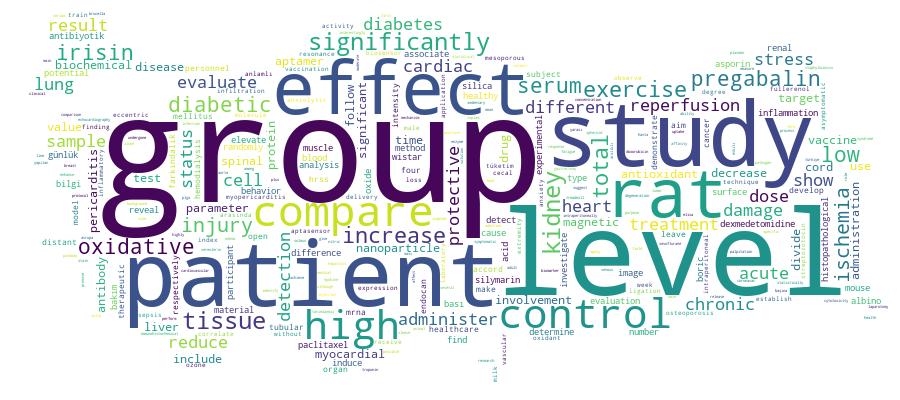
Competency Cloud
13 results
Scholarly Output Search Results
Now showing 1 - 10 of 13
Article Citation - Scopus: 3Protective Effects of Metformin in Non-Diabetic Rats With Experimentally Induced Lower Extremity Ischemia-Reperfusion Injury(Turkish National Vascular and Endovascular Surgery Society, 2025) Küçük, Ayşegül; Dursun, Alı Dogan; Arslan, Mustafa; Sezen, Şaban Cem; Yıldırım, Alperen Kutay; Özer, Abdullah; Demirtas, HuseyinAim: Lower extremity ischemia-reperfusion (IR) injury can lead to substantial skeletal muscle damage and systemic complications, primarily driven by oxidative stress and inflammation. In addition to its well-known glucose-lowering effects, metformin possesses antioxidant and anti-inflammatory properties that may confer protection against tissue damage caused by IR. This study aims to evaluate the potential protective effects of metformin on skeletal muscle injury using a rat model of lower extremity IR.Material and Methods: A total of twenty-four male Wistar albino rats were randomly divided into four experimental groups: Control (C), Ischemia-Reperfusion (IR), IR with metformin at 4 mg/kg (IR+M4), and IR with metformin at 8 mg/kg (IR+M8). Ischemia was induced by clamping the infrarenal aorta for 45 minutes, followed by a reperfusion period of 120 minutes. In the treatment groups, metformin was administered intraperitoneally at the onset of ischemia. Gastrocnemius muscle tissues were harvested for subsequent histopathological and biochemical evaluations, including measurements of Total Antioxidant Status (TAS), Total Oxidant Status (TOS), and Oxidative Stress Index (OSI).Results: Histopathological analysis demonstrated a significant reduction in muscle atrophy, degeneration, leukocyte infiltration, and fiber fragmentation in the IR+M8 group compared to the IR group. Biochemical assessments showed that TAS levels were considerably elevated, whereas TOS and OSI levels were markedly reduced in the metformin-treated groups, with the most prominent effects observed at the higher dosage of 8 mg/kg.Conclusion: The findings indicate that metformin exerts a dose-dependent protective effect against skeletal muscle injury resulting from lower extremity ischemia-reperfusion in rats. These protective properties are likely due to metformin’s antioxidant and anti-inflammatory mechanisms, highlighting its potential therapeutic value in mitigating IR-induced tissue damage.Article Citation - WoS: 11Citation - Scopus: 13Protective Effects of Hydrogen Rich Saline Solution in Rats With Experimental Myocardial Ischemia Reperfusion Injury(Cell Press, 2023) Koksal, Zeynep; Kurtipek, Omer; Arslan, Mustafa; Dursun, Ali Dogan; Yigman, Zeynep; Ozer, AbdullahAim: The aim of our study is to show whether the administration of hydrogen-rich saline solution (HRSS) intraperitoneally before left main coronary artery (LAD) ischemia protects the myocardium against ischemia-reperfusion (IR) injury.Materials and methods: After ethics committee approval, 24 Wistar Albino rats were divided into 4 groups, 6 rats in each group. For experimental IR, myocardial ischemia was performed by LAD ligation. Left thoracotomy was performed without ischemia in the Control group (Group C). Left thoracotomy was performed without myocardial ischemia to the rats in the HRSS group, and HRSS was given intraperitoneally (ip) at a rate of 10 ml/kg throughout the procedure. In the MIRHRSS group, a single dose of 10 ml/kg HRSS was administered 5 min before reperfusion. Histopathological and biochemical parameters were compared in myocardial tissue samples taken at the end of the reperfusion period.Results: When the groups were compared among themselves in terms of TOS and TAS levels, there was a significant difference between the groups (p = 0.006, p = 0.002). The severity of cardiomyocyte degeneration was significantly greater in MIR group than that in the control and HRSS groups (p = 0.002 and p = 0.001, respectively), as well as severity score of cardiomyocyte degeneration was higher in MIR-HRSS group compared with HRSS group (p = 0.035).Conclusion: Our study shows that HRSS is protective in IR injury, with the application of HRSS 5 min before reperfusion, interstitial edema severity, subendocardial haemorrhage are reduced, and oxidant status parameters are increased, while antioxidant status parameters are decreased. We believe that when it is supported by other studies, the protective effects of HRSS on IR damage will be shown in detail and its indications will be expanded.Article Citation - WoS: 11Citation - Scopus: 16Therapeutic Efficacy of Boric Acid Treatment on Brain Tissue and Cognitive Functions in Rats With Experimental Alzheimer's Disease(Dove Medical Press Ltd, 2023) Ozdemir, Cagri; Arslan, Mustafa; Kucuk, Aysegul; Yigman, Zeynep; Dursun, Ali DoganIntroduction: Oxidative stress has an important role in the pathophysiology of Alzheimer's disease (AD), the most common type of dementia. Boric acid (BA) contributes significantly to the protection of the brain by reducing lipid peroxidation and supporting antioxidant defense. We aimed to evaluate the therapeutic potential of BA treatment in AD rats. Materials and Methods: Four groups were formed as Control (C), Alzheimer's (A), Alzheimer's + Boric acid (ABA), Boric acid (BA). Intracerebroventricular injection of Streptozotocin (STZ) was preferred to create an AD. After 4 weeks, BA was applied 3 times every other day. The Radial Arm Maze Test (RAMT) was used to evaluate memory and learning abilities. Biochemical and histopathological evaluations were made in the hippocampus. Results: Initial RAMT inlet/outlet (I/O) numbers were similar. Two weeks after STZ injection, I/O numbers decreased in group A and ABA compared to group C and BA (p<0.05). After the second BA application, I/O numbers increased in the ABA group compared to the A group (p<0.05). In group A, PON-1, TOS and OSI levels were higher and TAS levels were lower than in groups BA and C. After BA treatment, PON-1 and OSI levels were lower in the ABA group than in the A group (p<0.05). Although there was an increase in TAS value and a decrease in TOS, this did not make a statistical difference. The thickness of the pyramidal cell in CA1 and the granular cell layers in the dentate gyrus, and the number of intact and degenerated neurons in the pyramidal cell layer were similar between the groups. Discussion: Significant improvement in learning and memory abilities after BA application is promising for AD. Conclusion: These results show that BA application positively affects learning and memory abilities, and reduces oxidative stress. More extensive studies are required to evaluate histopathological efficacy.Article Potential Protective Effects of Boldine in Rat With an Experimental Myocardial Ischemia-Reperfusion Model(2025) Küçük, Ayşegül; Dursun, Alı Dogan; Arslan, Mustafa; Sezen, Şaban Cem; Yıldırım, Alperen Kutay; Özer, Abdullah; Yığman, ZeynepObjectives: Myocardial ischemia-reperfusion injury (MIRI) remains a major challenge in cardiovascular medicine due to its complex pathophysiology involving oxidative stress, inflammation, and cellular dysfunction. Boldine, a potent natural alkaloid with antioxidant and anti-inflammatory properties, has demonstrated protective effects in various pathological conditions. However, its potential cardioprotective effects in MIRI remain largely unexplored. This study aims to evaluate the protective effects of Boldine in a rat model of MIRI by assessing oxidative stress markers, histopathological changes, and inflammatory responses. Materials and Methods: Male Albino Wistar rats were randomly assigned to four groups: Control, Boldine, myocardial ischemia-reperfusion (MIR), and myocardial ischemia-reperfusion + Boldine (MIR+B). Myocardial ischemia was induced by ligating the left anterior descending coronary artery for 30 minutes, followed by 120 minutes of reperfusion. Boldine (50 mg/kg) was administered intraperitoneally at the onset of reperfusion. Cardiac tissue samples were collected for histopathological evaluation and biochemical analysis, including total antioxidant status (TAS), total oxidant status (TOS), and Oxidative Stress index (OSI). Results: Histopathological analysis revealed significant myocardial disorganization and inflammation in the MIR group compared to controls (p=0.05). Boldine treatment significantly reduced inflammation and myocardial disorganization in the MIR+B group (p<0.05), suggesting a protective effect. Biochemical analysis showed a marked decrease in TAS levels and an increase in TOS and OSI in the MIR group (p<0.001). However, Boldine administration significantly restored TAS levels and reduced TOS and OSI in the MIR+B group (p< 0.001), indicating attenuation of oxidative stress. Conclusion: Boldine exhibits significant cardioprotective effects in a rat model of MIRI by reducing oxidative stress, mitigating myocardial disorganization, and alleviating inflammation. These findings suggest that Boldine may serve as a therapeutic agent in ischemic heart disease. Further research is warranted to elucidate its precise mechanisms of action and potential clinical applications.Article Effectiveness of Boric Acid in Sepsis in Rats With Cecal Perforation(Springer Nature, 2025) Kurtipek, Ali Can; Dursun, Ali Dogan; Yigman, Zeynep; Ozdemir, Cagri; Kucuk, Aysegul; Gonullu, Ugur; Arslan, MustafaIntroduction and AimSepsis is a systemic inflammatory response that develops in the host against microorganisms, which results in end-organ damage. Boric acid (BA) has been shown to have immune modulatory effects in vitro and in animal studies. The aim of the study is to investigate the effects of high dose BA on lung and kidney tissues in rats with sepsis induced by the CLP method.Method28 rats were randomly divided into four groups: Group C (control group), Group BA, Group CLP (cecal ligation and puncture), and Group CLP + BA. Cecum was ligated below the ileocecal valve and punctured. BA was administered to the treatment groups at an intraperitoneal dose of 200 mg/kg, and at the end of 24 h, lung and kidney tissue samples were collected and evaluated for biochemical and histopathological parameters.ResultsHistopathologically, in kidney tissue, CLP + BA group showed significantly less peritubular capillary dilatation and brush border loss in the proximal tubule epithelium compared to the CLP group. In lung tissue, CLP + BA group had significantly less alveolar wall thickening compared to the CLP group. Biochemical analyses indicated that BA administration reduced oxidative stress in both renal and lung tissues.ConclusionWe found that intraperitoneal administration of high dose boric acid partially ameliorated the tissue damage in rats subjected to CLP induced sepsis. Further studies are needed regarding the dosage and application at different time points.Article Effects of Pregabalin on Kidney Tissue in Spinal Cord Ischemia Reperfusion Injured Rats(Gazi Univ, Fac Med, 2021) Ceran, Emine Unal; Inan, Nurten; Kucuk, Aysegul; Ozer, Abdullah; Dursun, Ali Dogan; Tosun, Murat; Arslan, MustafaObjectives: The purpose of this study was to investigate the possible protective effects of low and high dose pregabalin that was administered in rat in a spinal cord ischemia-reperfusion (I/R) study model. Material and Method: We used 24 Wistar albino rats as subjects in our study. They were divided into 4 groups; randomized Control (C group), I/R (I/R group), I/R-low dose (30 mg/kg) pregabalin (I/R-LP group) and I/R-high dose (200 mg/kg) pregabalin (I/R-HP group). All groups have undergone a laparotomy intervention under anesthesia. In I/R group, a cross clamp was placed in the abdominal aorta just after the laparotomy for 120 minutes (to cause spinal cord ischemia injury) and then reperfusion was achieved by opening the vascular clamp. At the end of the study, kidney tissue was obtained for determining total oxidant status (TOS) and total antioxidant status (TAS) levels, histochemical and immunohistochemical determination. Results: Total Oxidative Status (TOS) enzyme activity was significantly higher in I/R group when compared to the control, I/R-LP and I/R-HP groups. Likewise, Total Antioxidant Status (TAS) enzyme activity was remarkably higher in I/R group when compared with the C, I/R-LP and I/R-HP groups. VEGF staining has yielded no expression in renal tissues. In microscopical analysis of the tissue slides which were immunohistochemically stained with p53 antibody, some crucial findings have been established as follows: As p53-expressing cells were not detected in the control group, the presence of p53-expressing cells were clearly identified at different intensities in several bowman capsules in the I/R group. However, no expression was detected in general tubules. Interestingly, p53 expression levels were prominently lower in low-dose pregabalin given group and considerably higher in the 200 mg/kg pregabalin administered group, which was more pronounced than the I/R group. Conclusion: Results established from the current study suggest that pregabalin given at different doses may have a partial protective effect in kidney tissues of rats undergone experimental spinal cord IR injury.Article Farklı Dozlarda Uygulanan Apelin-13’ün Analjezik Minimum Etkin Dozu ve Böbrek Dokusu Üzerine Etkisi: Deneysel Çalışma(2024) Küçük, Ayşegül; Dursun, Alı Dogan; Arslan, Mustafa; Ozdemir, Cagri; Sezen, Şaban CemAmaç: Apelin ve APJ sinyal yolu; kalp, böbrek ve akciğer dâhil çeşitli dokularda eksprese edilmektedir. Bu yol kan bas ıncı, kardiyak kontraktilite, kalp h ızı, nosisepsiyon, apoptozis ve inflamasyon üzerinde çeşitli etkilere sahiptir. Mekanizması hâlen anlaşılamamasına rağmen Apelin-13’ün analjezik etkinli ği gösterilmi ştir. Gelecekte koruyucu ve tedavi edici bir ajan olarak kullan ılabilecek olması insan sağlığına önemli katk ılar sağlayacaktır. Bu sebeple ratlarda Apelin- 13’ün minimum analjezik etkin dozunu ve böbrek üzerine etkilerini araştırmayı amaçladık. Gereç ve Yöntemler: 30 adet Wistar Albino erkek rat, randomize olarak 5 gruba ayrıldı. Ratlar kontrol, Apelin-25, Apelin-50, Apelin-100 ve Apelin-200 gruplar ı olarak isimlendirildi. Apelin-13 intraperitoneal olarak 25, 50, 100 ve 200 μg/kg uyguland ı. Kontrol grubuna intraperitoneal olarak ayn ı hacimde salin uygulandı. Apelin uygulanmasından sonra 30. dk, 1. ve 2. saatlerde Hot Plate testi ile analjezik etkinlik de ğerlendirildi. 24 saat sonra histolojik ve biyokimyasal değerlendirmeler için tüm ratlardan kan ve doku örnekleri alındı. Bulgular: Hot Plate sonuçlarına bakıldığında 50 μg/kg ve üzeri Apelin-13’ün analjezik etkinlik gösterdiği tespit edildi. 25 μg/kg dozda analjezik etki görülmedi. 100 ve 200 μg/kg Apelin-13 uygulanan ratların böbrek dokusunda vasküler vakuolizasyon ve hipertrofi, Bowman aralık dilatasyonu ve tübüler hücre dökülmesi anlamlı olarak artmış bulundu. 200 μg/kg Apelin-13 uygulanan ratlarda doku oksidatif stres belirteçleri daha yüksekti. Sonuç: Literatürde Apelin-13’ün farklı dozlarda analjezik etkileri ile ilgili çalışmalara rastlamadık. 200 μg/kg Apelin-13 uygulamas ının böbrek dokusunu olumsuz etkiledi ğini bulduk. Apelin-13’ün minimum analjezik etkin dozunun intraperitoneal olarak uygulanan 50 μg/kg olduğunu tespit ettik.Article Citation - WoS: 5Evaluation of the Efficacy of Silymarin and Dexmedetomidine on Kidney and Lung Tissue in the Treatment of Sepsis in Rats With Cecal Perforation(Spandidos Publ Ltd, 2024) Yavuz, Aydin; Kucuk, Aysegul; Ergorun, Aydan Iremnur; Dursun, Ali Dogan; Yigman, Zeynep; Alkan, Metin; Arslan, MustafaSepsis is a systemic inflammatory response syndrome that develops in the host against microorganisms. This response develops away from the primary infection site and results in end-organ damage. The present study aimed to investigate the protective and therapeutic effects on lung and kidney tissue of silymarin (S) and dexmedetomidine (DEX) applied 1 h before and after sepsis induced by the cecal ligation and puncture (CLP) method in rats. A total of 62 rats was randomly divided into eight groups: i) Control (n=6); ii) cecal perforation (CLP; n=8); iii) S + CLP (n=8; S + CLP; S administered 1 h before CPL); iv) CLP + S (n=8; S administered 1 h after CLP); v) DEX + CLP (n=8; D + CLP; DEX administered 1 h before CLP); vi) CLP + D (n=8; DEX administered 1 h after CLP); vii) SD + CLP (n=8; S and DEX administered 1 h before CLP) and viii) CLP + SD (n=8; S and DEX administered 1 h after CLP). After the cecum filled with stool, it was tied with 3/0 silk under the ileocecal valve and the anterior surface of the cecum was punctured twice with an 18-gauge needle. A total of 100 mg/kg silymarin and 100 mu g/kg DEX were administered intraperitoneally to the treatment groups. Lung and kidney tissue samples were collected to evaluate biochemical and histopathological parameters. In the histopathological examination, all parameters indicating kidney injury; interstitial edema, peritubular capillary dilatation, vacuolization, ablation of tubular epithelium from the basement membrane, loss of brush border in the proximal tubule epithelium, cell swelling and nuclear defragmentation; were increased in the CLP compared with the control group. Silymarin administration increased kidney damage, including ablation of tubular epithelium from the basement membrane, compared with that in the CLP group. DEX significantly reduced kidney damage compared with the CLP and silymarin groups. The co-administration of DEX + silymarin decreased kidney damage, although it was not as effective as DEX-alone. To conclude, intraperitoneal DEX ameliorated injury in CLP rats. DEX + silymarin partially ameliorated injury but silymarin administration increased damage. As a result, silymarin has a negative effects with this dosage and DEX has a protective effect. In the present study, it was determined that using the two drugs together had a greater therapeutic effect than silymarin and no differences in the effects were not observed any when the application times of the agents were changed.Article Citation - WoS: 13Citation - Scopus: 16Irisin Protects Against Hind Limb Ischemia Reperfusion Injury(Dove Medical Press Ltd, 2021) Kucuk, Aysegul; Polat, Yucel; Kilicarslan, Aydan; Sungu, Nuran; Kartal, Hakan; Dursun, Ali Dogan; Arslan, MustafaAim: The aim of this study was to evaluate the effects of irisin in a murine model of hind limb ischemia reperfusion (I/R). Methods: The mice were divided into four groups (n = 6 in each group): control, irisin, ischemia reperfusion (I/R), and irisin-ischemia reperfusion (I-I/R). Irisin (0.5 mu g.g(-1), intraperitoneally [i.p.]) was administered 30 min before the I/R procedure. After 2 h of ischemia and 2.5 h of reperfusion, blood and tissue samples were taken for biochemical and histopathological analysis. The results were analyzed by Kruskal-Wallis and Mann-Whitney U-tests. Results: There was a statistically significant difference in the total antioxidant status (TAS) and total oxidant status (TOS) levels in all the groups. The TAS level in the I/R group was significantly lower than that in the control, irisin, and I-I/R groups, whereas the TOS level was significantly higher in the I/R group as compared with that in the other groups. Caspase3 activity and caspase-8 activity, indicators of inflammation, were significantly higher in the I/R and I-I/R groups as compared with those in the control and irisin groups. Conclusion: Irisin may have protective effects in skeletal muscle ischemia reperfusion injury.Article Citation - WoS: 17Citation - Scopus: 19Effects of Dexmedetomidine Administered Through Different Routes on Kidney Tissue in Rats With Spinal Cord Ischaemia-Reperfusion Injury(Dove Medical Press Ltd, 2022) Sengel, Necmiye; Koksal, Zeynep; Dursun, Ali Dogan; Kurtipek, Omer; Sezen, Saban Cem; Arslan, Mustafa; Kavutcu, MustafaBackground: Ischaemia-reperfusion (IR) injury, which can be encountered during surgical procedures involving the abdominal aorta, is a complex process that affects distant organs, such as the heart, liver, kidney, and lungs, as well as the lower extremities. In this study, we aimed to contribute to the limited literature by investigating the protective effect of dexmedetomidine, which was administered through different routes, on kidney tissue in rats with spinal cord IR injury.Methods: A total of 30 rats were randomly divided into five groups: control (C group), IR (IR group), IR-intraperitoneal dexmedetomidine (IRIPD group), IR-intrathecal dexmedetomidine (IRITD group), and IR-intravenous dexmedetomidine (IRIVD group). The spinal cord IR model was established. Dexmedetomidine was administered at doses of 100 mu g/kg intraperitoneally, 3 mu g/ kg intrathecally, and 9 mu g/kg intravenously. Histopathologic parameters in kidney tissue samples taken at the end of the reperfusion period and biochemical parameters in serum were evaluated.Results: When examined histopathologically, tubular dilatation was found to be significantly reduced in the IRIVD, IRITD, and IRIPD groups compared with the IR group (p = 0.012, all). Vascular vacuolization and hypertrophy were significantly decreased in the IRIVD, IRITD, and IRIPD groups compared with the IR group (p = 0.006, all). Tubular cell degeneration and necrosis were significantly reduced in the IRIVD, IRITD, and IRIPD groups compared with the IR group (p = 0.008, p = 0.08, and p = 0.030, respectively). Lymphocyte infiltration was significantly decreased in the IRIVD and IRITD groups compared with the IR group (p = 0.006 and p = 0.06, respectively). Conclusion: It was observed that dexmedetomidine administered by different routes improved the damage caused by IR in kidney histopathology. We think that the renoprotective effects of dexmedetomidine administered intravenously and intrathecally before IR in rats are greater.
