Yığman, Zeynep

Loading...
Profile Picture
Name Variants
Yigman, Zeynep
Z.,Yığman
Y.,Zeynep
Zeynep, Yigman
Zeynep, Yığman
Yigman,Z.
Yığman,Z.
Z.,Yigman
Y., Zeynep
Z., Yigman
Yığman, Zeynep
Job Title
Doktor Öğretim Üyesi
Email Address
zeynep.yigman@atilim.edu.tr
Main Affiliation
Basic Sciences
Status
Former Staff
Website
ORCID ID
Scopus Author ID
Turkish CoHE Profile ID
Google Scholar ID
WoS Researcher ID

Sustainable Development Goals

2

ZERO HUNGER
ZERO HUNGER Logo

0

Research Products

14

LIFE BELOW WATER
LIFE BELOW WATER Logo

2

Research Products

17

PARTNERSHIPS FOR THE GOALS
PARTNERSHIPS FOR THE GOALS Logo

0

Research Products

5

GENDER EQUALITY
GENDER EQUALITY Logo

0

Research Products

16

PEACE, JUSTICE AND STRONG INSTITUTIONS
PEACE, JUSTICE AND STRONG INSTITUTIONS Logo

0

Research Products

8

DECENT WORK AND ECONOMIC GROWTH
DECENT WORK AND ECONOMIC GROWTH Logo

0

Research Products

4

QUALITY EDUCATION
QUALITY EDUCATION Logo

0

Research Products

6

CLEAN WATER AND SANITATION
CLEAN WATER AND SANITATION Logo

0

Research Products

7

AFFORDABLE AND CLEAN ENERGY
AFFORDABLE AND CLEAN ENERGY Logo

0

Research Products

10

REDUCED INEQUALITIES
REDUCED INEQUALITIES Logo

0

Research Products

11

SUSTAINABLE CITIES AND COMMUNITIES
SUSTAINABLE CITIES AND COMMUNITIES Logo

0

Research Products

9

INDUSTRY, INNOVATION AND INFRASTRUCTURE
INDUSTRY, INNOVATION AND INFRASTRUCTURE Logo

0

Research Products

1

NO POVERTY
NO POVERTY Logo

0

Research Products

3

GOOD HEALTH AND WELL-BEING
GOOD HEALTH AND WELL-BEING Logo

4

Research Products

12

RESPONSIBLE CONSUMPTION AND PRODUCTION
RESPONSIBLE CONSUMPTION AND PRODUCTION Logo

0

Research Products

13

CLIMATE ACTION
CLIMATE ACTION Logo

0

Research Products

15

LIFE ON LAND
LIFE ON LAND Logo

0

Research Products
This researcher does not have a Scopus ID.
This researcher does not have a WoS ID.
Scholarly Output

12

Articles

12

Views / Downloads

2/0

Supervised MSc Theses

0

Supervised PhD Theses

0

WoS Citation Count

48

Scopus Citation Count

45

WoS h-index

5

Scopus h-index

4

Patents

0

Projects

0

WoS Citations per Publication

4.00

Scopus Citations per Publication

3.75

Open Access Source

9

Supervised Theses

0

Google Analytics Visitor Traffic

JournalCount
Drug Design, Development and Therapy2
Journal of Updates in Cardiovascular Medicine2
Medicina2
Medicina (Lithuania)1
Scientific Reports1
Current Page: 1 / 2

Scopus Quartile Distribution

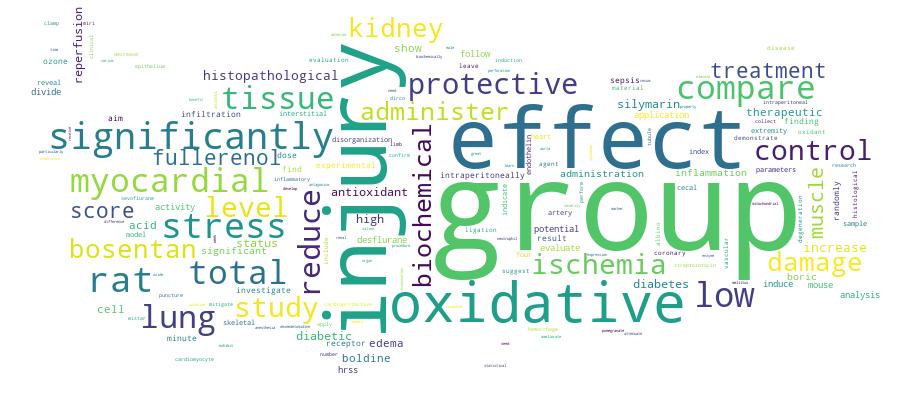
Competency Cloud

GCRIS Competency Cloud

Scholarly Output Search Results

Now showing 1 - 2 of 2
  • Article
    Effectiveness of Boric Acid in Sepsis in Rats With Cecal Perforation
    (Springer Nature, 2025) Kurtipek, Ali Can; Dursun, Ali Dogan; Yigman, Zeynep; Ozdemir, Cagri; Kucuk, Aysegul; Gonullu, Ugur; Arslan, Mustafa
    Introduction and AimSepsis is a systemic inflammatory response that develops in the host against microorganisms, which results in end-organ damage. Boric acid (BA) has been shown to have immune modulatory effects in vitro and in animal studies. The aim of the study is to investigate the effects of high dose BA on lung and kidney tissues in rats with sepsis induced by the CLP method.Method28 rats were randomly divided into four groups: Group C (control group), Group BA, Group CLP (cecal ligation and puncture), and Group CLP + BA. Cecum was ligated below the ileocecal valve and punctured. BA was administered to the treatment groups at an intraperitoneal dose of 200 mg/kg, and at the end of 24 h, lung and kidney tissue samples were collected and evaluated for biochemical and histopathological parameters.ResultsHistopathologically, in kidney tissue, CLP + BA group showed significantly less peritubular capillary dilatation and brush border loss in the proximal tubule epithelium compared to the CLP group. In lung tissue, CLP + BA group had significantly less alveolar wall thickening compared to the CLP group. Biochemical analyses indicated that BA administration reduced oxidative stress in both renal and lung tissues.ConclusionWe found that intraperitoneal administration of high dose boric acid partially ameliorated the tissue damage in rats subjected to CLP induced sepsis. Further studies are needed regarding the dosage and application at different time points.
  • Article
    Organ-Protective Effects of Fullerenol and Desflurane in a Rat Model of Ischemia–Reperfusion Injury
    (Nature Portfolio, 2025) Kip, Gulay; Koksal, Zeynep; Yigman, Zeynep; Kucuk, Aysegul; Arslan, Mustafa; Akarca Dizakar, Saadet Ozen; Sivgin, Volkan
    To investigate the protective effects of fullerenol applied before ischemia induction and desflurane anesthesia applied during ischemia-reperfusion (IR) induction in the lungs and kidneys of a lower-extremity IR injury rat model. After receiving ethical approval, we randomly divided 30 rats into five groups: sham (S), IR, IR with 100 mg/kg fullerenol (IR-FUL), IR with 6.7% desflurane (IR-DES), IR with 100 mg/kg fullerenol and 6.7% desflurane (IR-FUL-DES). Fullerenol was administered 30 min before the IR procedure in the IR-FUL and IR-FUL-DES groups, and desflurane was administered during the IR procedure in the IR-DES and IR-FUL-DES groups. During the procedure, an atraumatic microvascular clamp was placed in the aorta for 120 min. The clamp was then removed to achieve reperfusion for 120 min. Finally, at the end of reperfusion, we evaluated the extracted lung and kidney tissue samples and assessed them biochemically and histopathologically. The lung damage scores of the IR-FUL, IR-DES, and IR-FUL-DES groups were significantly lower than those of the IR group (p < .0001, p = .002, and p < .0001, respectively). The renal tubule injury scores of the IR, IR-FUL, IR-DES, and IR-FUL-DES groups were significantly higher than those of the S group (p < .0001). By contrast, the renal tubule injury scores of the IR-FUL and IR-FUL-DES groups were significantly lower than those of the IR group (p < .0001 and p = .001, respectively). Moreover, kidney intercellular adhesion molecule 1 (ICAM1) expression was significantly lower in all the treatment groups, particularly the IR-FUL group, than in the IR group, and lung ICAM1 expression was significantly lower in the IR-FUL and IR-FUL-DES groups than in the other treatment groups. In the lung and kidney tissues, thiobarbituric acid reactive substance levels, catalase activity, glutathione-S-transferase activity, and arylesterase activity were relatively high in the treatment groups. The application of fullerenol before and after desflurane anesthesia during IR has protective effects on rat lungs and kidneys. In particular, histopathology confirmed that the application of fullerenol 30 min before IR induction and desflurane anesthesia during IR induction reduced oxidative stress and alleviated IR-related damage in the lungs and kidneys. These findings may have important translational relevance, suggesting potential perioperative strategies for protecting organs from ischemia-reperfusion injury in clinical settings.