
Demir, Mehmet Emin
Loading...

Profile URL
Name Variants
Demir, M. E.
Mehmet Emin, Demir
Demir M.
Demir,M.E.
D.,Mehmet Emin
D., Mehmet Emin
M. E. Demir
M.E.Demir
Emin M.
Demir, Mehmet E.
M., Demir
Demir, Mehmet Emin
M.,Demir
Mehmet Emin, Demir
Demir M.
Demir,M.E.
D.,Mehmet Emin
D., Mehmet Emin
M. E. Demir
M.E.Demir
Emin M.
Demir, Mehmet E.
M., Demir
Demir, Mehmet Emin
M.,Demir
Job Title
Doçent Doktor
Email Address
mehmet.demir@atilim.edu.tr
Main Affiliation
Internal Medical Sciences
Status
Website
ORCID ID
Scopus Author ID
Turkish CoHE Profile ID
Google Scholar ID
WoS Researcher ID
Sustainable Development Goals
2
ZERO HUNGER

0
Research Products
14
LIFE BELOW WATER

0
Research Products
17
PARTNERSHIPS FOR THE GOALS

0
Research Products
5
GENDER EQUALITY

0
Research Products
16
PEACE, JUSTICE AND STRONG INSTITUTIONS

0
Research Products
8
DECENT WORK AND ECONOMIC GROWTH

0
Research Products
4
QUALITY EDUCATION

0
Research Products
6
CLEAN WATER AND SANITATION

1
Research Products
7
AFFORDABLE AND CLEAN ENERGY

0
Research Products
10
REDUCED INEQUALITIES

0
Research Products
11
SUSTAINABLE CITIES AND COMMUNITIES

0
Research Products
9
INDUSTRY, INNOVATION AND INFRASTRUCTURE

0
Research Products
1
NO POVERTY

0
Research Products
3
GOOD HEALTH AND WELL-BEING

5
Research Products
12
RESPONSIBLE CONSUMPTION AND PRODUCTION

0
Research Products
13
CLIMATE ACTION

0
Research Products
15
LIFE ON LAND

0
Research Products

Documents
30
Citations
361
h-index
8

Documents
47
Citations
500

Scholarly Output
11
Articles
10
Views / Downloads
4/0
Supervised MSc Theses
0
Supervised PhD Theses
0
WoS Citation Count
21
Scopus Citation Count
18
WoS h-index
2
Scopus h-index
2
Patents
0
Projects
0
WoS Citations per Publication
1.91
Scopus Citations per Publication
1.64
Open Access Source
10
Supervised Theses
0
Google Analytics Visitor Traffic
| Journal | Count |
|---|---|
| Frontiers in Immunology | 2 |
| Frontiers in Public Health | 1 |
| Frontiers in Systems Neuroscience | 1 |
| International Journal of General Medicine | 1 |
| International Urology and Nephrology | 1 |
Current Page: 1 / 2
Scopus Quartile Distribution
Competency Cloud
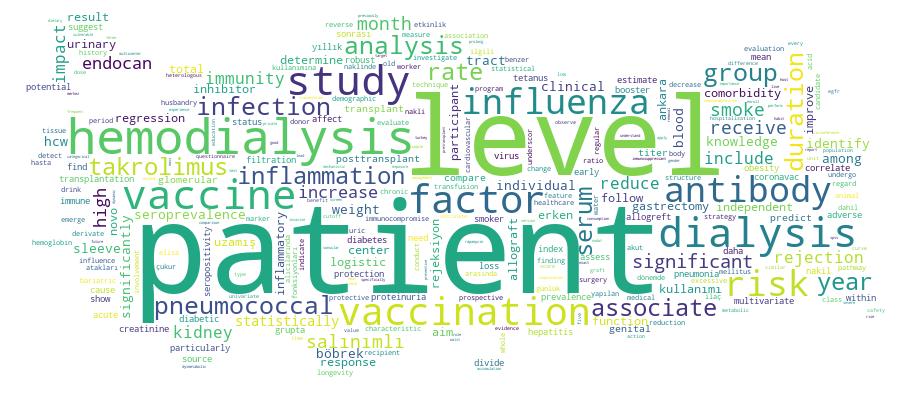
11 results
Scholarly Output Search Results
Now showing 1 - 10 of 11
Article Citation - WoS: 5The Evaluation of Serum Endocan, Interleukin-6, and Crp Levels Following Sleeve Gastrectomy(Dove Medical Press Ltd, 2023) Sariyildiz, Gulcin Turkmen; Demir, Canan Cicek; Demir, Mehmet Emin; Arslan, Aykut Ilker; Banli, Oktay; Dursun, Ali DoganBackground: The excessive accumulation of fat tissue in obesity is the source of chronic low-level inflammation and causes future dysmetabolic and cardiovascular disorders. Removal of this excessive fat tissue with the aid of bariatric surgery (BS) techniques, such as sleeve gastrectomy, may reverse adverse inflammatory outcomes. The aim of this study is to investigate the impact of sleeve gastrectomy on inflammatory markers, specifically endocan, IL-6, and CRP, in individuals with obesity.Methods: Thirty-two patients with class 3 obesity and class 2 obesity + comorbidities were enrolled in the study. Clinical characteristics including age, comorbidity, body mass index (BMI), waist, and hip circumferences of the participants were noted before and 3 months after sleeve gastrectomy. Blood samples were collected during those periods to assess biochemical features such as serum endocan, interleukin-6 (IL-6), C-reactive peptide, fasting insulin, glycosylated hemoglobin A1c levels, and lipid panel. A statistical package program was used for the analysis of those parameters, and p<0.05 was accepted as significant at a 95.0% confidence interval.Results: BMI reduced from 43.55 +/- 6.78 to 36.16 +/- 6.14 kg/m(2) within 3 months following BS (p<0.001). Preoperative serum endocan, IL-6, and CRP levels were correlated with BMI, and in line with BMI reduction, their serum levels decreased after BS (p<0.05). HOMA-IR also reduced after BS, and both in the pre and post-BS periods correlated with BMI, IL-6, endocan, and CRP levels (p<0.05). The mean total body weight loss was 20.4% within 3 months post-BS.Conclusion: BS techniques are effective in weight loss and reversing the inflammatory processes caused by obesity. Serum endocan, IL-6, and CRP levels are promising markers for describing obesity-related inflammation and objectively checking the alleviation of inflammation following BS.Article Böbrek Naklinde de Novo Uzamış Salınımlı Takrolimus Kullanımı Sonuçları: Tek Merkez, 1 Yıllık Sonuçlar(2022) Sarıyıldız, Gülçin Türkmen; Demir, Mehmet Emin; Sezer, Siren; Sozener, Ulas; Ercan, Zafer; Gulen, Merter; Özşeker, Fatma NeclaAmaç: Böbrek nakli alıcılarında günde tek doz uzamış salınımlı takrolimus (tac-ER) kullanımı, erken salınımlı takrolimus (tac-IR) kullanımına benzer etkinlik ve daha iyi ilaç uyumu sağlaması amacıyla geliştirilmiştir. Ancak uzamış salınımlı takrolimus ile ilgili deneyimler daha çok nakil sonrası dönemde yapılan “switch” protokollerine dayanmaktadır. Bu çalışmada böbrek alıcılarında de novo tac-ER kullanımı ile ilgili deneyimlerimizi ve 1 yıllık sonuçları sunmayı amaçladık. Gereç ve Yöntem: Bu tek merkezli retrospektif çalışmaya Ocak 2022-Ocak 2021 arasında yapılan 72 de novo böbrek nakli hastası dahil edilmiştir. Hastalar tac- ER ve tac-IR alan iki gruba ayrıldı. Bir yıllık allogreft fonksiyonları ve sağ kalımları, hastaların günlük ilaç dozları ve bunların akut rejeksiyon atakları ile ilişkileri karşılaştırıldı. Allogreft fonksiyonları ve akut rejeksiyon atakları üzerine etki eden faktörler incelendi. Bulgular: Toplam 69 hastanın (uzamış salınımlı grupta 30 hasta ve erken salınımlı grupta 39 hasta) verileri incelendi. Üç hasta posttransplant erken dönemde öldüğü için analize dahil edilmedi. Nakil sonrası 12 aylık izlem boyunca her iki grup arasında serum kreatinin ve takrolimus çukur değerler bencer bulundu (p>0,05). İlk 3 ay içinde hedef takrolimus değerlere ulaşmak için, tac-ER grubunda daha yüksek günlük dozlar (milligra/gün ve milligram/gün/kg) gerekti (p<0,05). Nakil sonrası ilk 12 ay içinde her iki grupta da rejeksiyon oranları benzerdi (p=0,281). Tek değişkenli analizde posttransplant 1. aydaki takrolimus dozu (milligram/kg/gün) takrolimus çukur değerinin aksine rejeksiyon gelişimi üzerinde etkili görüldü (p=0,02). Sonuç: Böbrek naklinde uzamış salınımlı takrolimusun (Advagraf®) de novo kullanımı, erken salınımlı takrolimus kullanımına benzer etkinlik, allogreft sağ kalımı ve fonksiyonu sağlar.Article Citation - WoS: 2Citation - Scopus: 2Potential Role of SGLT-2 Inhibitors in Improving Allograft Function and Reducing Rejection in Kidney Transplantation(Wiley, 2025) Demir, Mehmet Emin; Helvaci, Ozant; Yildirim, Tolga; Merhametsiz, Ozgur; Sezer, SirenSodium-glucose cotransporter-2 inhibitors (SGLT-2i) have demonstrated renoprotective and cardioprotective benefits beyond their antiglycemic effects. Their potential utility in kidney transplant recipients (KTRs) for preserving graft function and reducing rejection risk is currently under active investigation. Preliminary studies indicate that SGLT-2i therapy stabilizes estimated glomerular filtration rate (eGFR), decreases glomerular hyperfiltration, and improves metabolic outcomes in KTRs. Emerging clinical evidence also suggests that SGLT-2i may be associated with reduced rates of acute rejection, although direct immunosuppressive actions remain unclear. Experimental findings further suggest that SGLT-2i modulates gene regulation pathways involved in inflammation, oxidative stress, and fibrosis, contributing to improved allograft outcomes. Current safety data in KTRs are reassuring, without significant increases in urinary tract infections or adverse graft events. Nevertheless, long-term prospective studies specific to transplant populations are lacking. This review summarizes available evidence regarding the mechanisms of action, clinical efficacy, and safety profile of SGLT-2i in kidney transplantation, emphasizing their metabolic, hemodynamic, inflammatory, and immunomodulatory effects.Article Complex Multisource Sound Induces Greater Neurodegeneration in Neonatal Rat Brain than Single-Source Sound(Frontiers Media SA, 2026) Daltaban, Iskender Samet; Aydin, Mehmet Dumlu; Eyupoglu, Eylem Eren; Demirci, Elif; Okuyan, Aybike Aydin; Demir, Mehmet EminBackground: Excessive noise exposure is a known environmental health hazard linked to neurological injury and cognitive deficits. Whether complex sound waveforms from multiple sources exacerbate brain damage compared to a single-source noise of equal intensity remains unclear. We investigated the effects of identical music played either through one or four loudspeakers on the developing brain of newborn rats. Methods: Forty-one newborn Sprague-Dawley rat pups (both sexes), along with their dams, were randomly assigned to three groups: control (no noise, n = 6), single-speaker exposure (n = 15), and multi-speaker exposure (n = 20). From postnatal day 0 to 30, the exposure groups were subjected to an 8-min music track (similar to 85 dB SPL) either via one loudspeaker (simple waveform) or simultaneously via four loudspeakers (complex interfering waveform), six times daily at 4-h intervals. Sound intensity was calibrated at the cages with a sound-level meter. All procedures followed ARRIVE guidelines and the EU Directive 2010/63/EU for animal research, with institutional ethical approval. After 1 month, rat brains were examined histologically. Unbiased stereology was used to estimate neuronal densities in the temporal lobe (including amygdala and hippocampal dentate gyrus). Immunohistochemistry for neuron-specific enolase (NSE), glial fibrillary acidic protein (GFAP) and TUNEL assay (terminal deoxynucleotidyl transferase dUTP nick-end labeling) was performed to identify neuronal integrity, astroglial response, and apoptosis, respectively. Outcome measures were degenerated (TUNEL-positive) neuron densities and histopathological lesions. Statistical comparisons were made using Student's t-tests or ANOVA and chi-square tests (with p < 0.05 considered significant). Results: Eight of 20 pups (40%) in the multi-speaker group died during the exposure period, compared to 5/15 (33%) in the single-speaker group and 3/6 (50%) in controls (differences not statistically significant). Maternal rats exhibited agitation, stress behaviors, and weight loss under noise; some eventually ceased escape attempts (habituation/helplessness behavior) in both noise-exposed groups. Histologically, the multi-speaker exposure caused more severe brain injury than the single-speaker exposure. Pups in the multi-speaker group showed frequent subarachnoid hemorrhages and cortical microvascular bleeding in the temporal lobes, whereas these lesions were mild or infrequent in the single-speaker group and absent in controls. Neurons in noise-exposed brains displayed morphological signs of degeneration (shrunken, angulated cell bodies with pyknotic nuclei and condensed cytoplasm), which were markedly pronounced in the multi-speaker group. Stereological cell counting revealed a significant increase in apoptotic neuron density in both sound-exposed groups, with the multi-speaker group highest. For example, in the hippocampal dentate gyrus, the mean density of TUNEL-positive (degenerating) neurons was 13,450 +/- 1,560 per mm(3) in the multi-speaker group vs. 7,600 +/- 980 per mm(3) in the single-speaker group and only 200 +/- 34 per mm(3) in unexposed controls (p < 0.05). In the amygdala, apoptotic neuron density averaged 3,460 +/- 863 per mm(3) (multi-speaker) vs. 1,470 +/- 285 (single-speaker) and 1,321 +/- 234 (control), with the multi-speaker group showing a significantly higher burden of neuronal cell death (p < 0.005 for complex vs. simple waveforms). Correspondingly, multi-speaker exposed brains showed intense immunostaining for NSE and GFAP fragmentation, indicating widespread neuronal loss and reactive astroglial injury, whereas single-speaker exposure caused only moderate changes. Conclusion: Identical musical noise caused substantially more neurodegeneration in the developing brain when delivered as complex wave interference from multiple speakers rather than as a single-source sound of the same intensity. Complex multisource waveforms appear to amplify the harmful effects of noise on neonatal brain tissue, likely through interference-driven pressure fluctuations. These findings have clinical and public health implications, suggesting that current noise exposure guidelines should consider not only sound intensity and duration but also the acoustic complexity and source configuration, especially to protect vulnerable populations such as infants and children from high-intensity multisource noise environments.Article Evaluation of Anti-Tetanus IgG Antibody Levels and Influencing Factors in Patients Undergoing Hemodialysis(Frontiers Media Sa, 2025) Ozsoy, Metin; Ozturk, Hakki; Tuna, Aysegul; Varlibas, Artuner; Cesur, Salih; Aksoy, Altan; Demir, Mehmet EminAim: This study aimed to assess anti-tetanus IgG antibody levels and identify determinants of inadequate tetanus immunity among maintenance hemodialysis (HD) patients. Methods: In this cross-sectional study, anti-tetanus IgG levels were measured by quantitative ELISA in 162 adult HD patients from two dialysis centers in Ankara, Turkey. Protective immunity was evaluated using both international (>= 0.1 IU/mL) and robust (>= 0.5 IU/mL) cut-offs. Demographic and clinical factors associated with immunity were analyzed by multivariate logistic regression. Results: Only 16.7% of HD patients achieved robust protection (>= 0.5 IU/mL), whereas 49.8% had minimal protection (>= 0.1 IU/mL). Protective immunity was independently associated with younger age (OR 1.07 per year; p = 0.004), shorter dialysis duration (OR 1.07; p = 0.030), male sex (female OR 2.92; p = 0.048), and recent booster vaccination within 10 years (OR 0.11; p < 0.001). Diabetes mellitus was not an independent factor. Conclusion: Most HD patients lacked durable tetanus immunity, particularly older females on long-term dialysis. The findings highlight the need for regular antibody monitoring, early revaccination, and structured booster programs to maintain adequate protection in this high-risk population.Article Comparison of SARS-CoV IgG Responses in Hemodialysis Patients and Healthcare Workers After COVID-19 Vaccination(Frontiers Media S.A., 2025) Ozturk, Hakki; Ozsoy, Metin; Tuna, Aysegul; Varlibas, Artuner; Cesur, Salih; Aksoy, Altan; Demir, Mehmet EminAim: This study aimed to compare SARS-CoV-2 IgG antibody levels in hemodialysis (HD) patients and healthcare workers (HCWs) after COVID-19 vaccination and to identify factors influencing these levels. Materials and methods: A total of 193 participants were included: 104 HD patients and 89 age- and sex-matched HCWs as controls. All had completed a primary COVID-19 vaccination series (two doses of CoronaVac or BNT162b2) and a booster dose. SARS-CoV-2 anti-spike IgG was measured at least one month after the last vaccine dose using a commercial immunoassay (Abbott SARS-CoV-2 IgG II Quant, CMIA). Results in Arbitrary Units (AU/mL) were converted to WHO standard Binding Antibody Units (BAU/mL) (1 AU/mL = 0.142 BAU/mL). IgG titers >= 7.1 BAU/mL (equivalent to 50 AU/mL) were considered positive. Results: All participants had positive SARS-CoV-2 IgG antibodies. There were no statistically significant differences in IgG levels between HD patients and HCWs at any individual time interval (<3 months, 3-6 months, or >6 months) or in the overall mean titers (HD: 1259 +/- 1112 BAU/mL; HCW: 1002 +/- 765 BAU/mL; p = 0.216). No individual in either group had an IgG titer below 7.1 BAU/mL. Vaccine type, dialysis vintage, and presence of comorbidities did not significantly impact antibody levels. In the HCWs group, those vaccinated only with CoronaVac had significantly lower IgG levels than those receiving only BNT162b2 or a heterologous regimen (CoronaVac followed by BNT162b2). However, among HD patients, IgG levels did not differ by vaccine regimen. Conclusion: HD patients mounted a SARS-CoV-2 IgG antibody response comparable to that of healthy HCWs, with no participant falling below the positivity threshold. Dialysis duration and comorbid conditions did not significantly affect post-vaccination IgG levels. While HCWs who received only CoronaVac showed lower antibody titers than those who received BNT162b2 or a heterologous schedule, this difference was not observed in HD patients. These results suggest that COVID-19 vaccination elicits a robust humoral immune response in the HD population, underscoring the benefit of vaccination in this high-risk group.Article Citation - WoS: 13Citation - Scopus: 15The Results of Sglt-2 Inhibitors Use in Kidney Transplantation: 1-Year Experiences From Two Centers(Springer, 2023) Demir, Mehmet Emin; Ozler, Tuba Elif; Merhametsiz, Ozgur; Sozener, Ulas; Uyar, Murathan; Ercan, Zafer; Turkmen Sariyildiz, GulcinPurposeSodium-glucose co-transporter-2 inhibitor (SGLT-2i) administration is associated with some concerns in regard to the increased risk of genital and urinary tract infections (UTI) in kidney transplant recipients (KTR). In this study, we present the results of SGLT-2i use in KTR, including the early post-transplant period.MethodsParticipants were divided into two groups: SGLT-2i-free diabetic KTR (Group 1, n = 21) and diabetic KTR using SGLT-2i (Group 2, n = 36). Group 2 was further divided into two subgroups according to the posttransplant prescription day of SGLT-2i; < 3 months (Group 2a) and >= 3 months (Group 2b). Groups were compared for development of genital and urinary tract infections, glycated hemoglobin a1c (HgbA1c), estimated glomerular filtration rate (eGFR), proteinuria, weight change, and acute rejection rate during 12-month follow-up.ResultsUrinary tract infections prevalence was 21.1% and UTI-related hospitalization rate was 10.5% in our cohort. Prevalence of UTI and UTI-related hospitalization, eGFR, HgbA1c levels, and weight gain were similar between the SGLT-2i group and SGLT-2i-free group, at the 12-month follow-up. UTI prevalence was similar between groups 2a and 2b (p = 0.871). No case of genital infection was recorded. Significant proteinuria reduction was observed in Group 2 (p = 0.008). Acute rejection rate was higher in the SGLT-2i-free group (p = 0.040) and had an impact on 12-month follow-up eGFR (p = 0.003).ConclusionSGLT-2i in KTR is not associated with an increased risk of genital infection and UTI in diabetic KTR, even in the early posttransplant period. The use of SGLT-2i reduces proteinuria in KTR and has no adverse effects on allograft function at the 12-month follow-up.Article The Impact of Smoking on Inflammation Indices: a Cross-Sectional Study(2023) Demir, Canan; Demir, Mehmet EminWe aim to investigate the association between smoking and systemic inflammation index (SII), the platelet-to-lymphocyte ratio (PLR), and the neutrophil-to- lymphocyte ratio (NLR) which are derivated from whole blood count. A total of 188 individuals who admitted to organ transplant outpatient polyclinics as donor candidates were included in this retrospective cross-sectional study. Donor candidates were divided into two groups; smokers and non-smokers. SII, PLR, and NLR were formulated from their hemogram during the preparation for donation. Serum C-reactive protein, uric acid, and creatinine levels were also compared between the two groups. P<0.05 was assumed as statistically significant. Seventy-five of 188 individuals (39.9%) were smokers. Smokers were older compared to nonsmokers and the mean smoking longevity was 21.14±12.92 years. SII, NLR, PLR, and CRP levels were higher in the smokers (p=0.020, p=<0.001, p=<0.001, and p=0.038, respectively). Smoking longevity had an impact on SII, PLR, NLR, and CRP (all p<0.001). Serum creatinine (and estimated glomerular filtration rate) had correlated with smoking and regression analysis indicated smoking was associated with high levels of serum creatinine (r=0.323, p<0.001, and r2=104). Smoking was a predictor for high levels of uric acid (p<0.001, r2=0.093). Smoking is associated with an increased inflammation status driven by changes in the immune response. The basic inflammation indices SII, NLR, and PLR, which can be derivated from whole blood count, and additionally CRP may be useful in the assessment of the inflammation status of smokers.Article Investigation of Hepatitis E Virus Seroprevalence and Risk Factors in Hemodialysis Patients(Frontiers Media Sa, 2025) Ozturk, Hakki; Ozsoy, Metin; Tuna, Aysegul; Varlibas, Artuner; Cesur, Salih; Aksoy, Altan; Demir, Mehmet EminBackground: Hemodialysis patients are at increased risk for hepatitis E virus (HEV) infection due to their immunocompromised status and frequent exposure to invasive medical procedures. HEV can lead to chronic infections and severe complications, particularly in high-risk populations. This study aimed to determine HEV-IgG seroprevalence among hemodialysis patients in Ankara, Turkey, and evaluate associated risk factors. Methods: A total of 160 hemodialysis patients from three private dialysis centers in Ankara were included in this prospective, cross-sectional study. Anti-HEV-IgG antibodies were detected using the ELISA method. Demographic characteristics and potential risk factors, including dialysis duration, comorbidities, blood transfusion history, drinking water source, dietary habits, and involvement in animal husbandry, were assessed via structured surveys. Statistical analyses were conducted using SPSS Version 22.0, with Pearson's chi-square and Fisher's exact tests applied to categorical variables. Logistic regression analysis was performed to identify independent risk factors for HEV seropositivity. Results: HEV-IgG seropositivity was detected in 42 patients (26.25%). Seroprevalence increased significantly with age, rising from 6.7% in patients under 55 years to 47.4% in those over 65 years (p < 0.001). Extended dialysis duration (>5 years) was also significantly associated with HEV seropositivity (p = 0.02). However, no significant associations were found between HEV seropositivity and gender, blood transfusion history, source of drinking water, consumption of raw meat, or involvement in animal husbandry (p > 0.05). Conclusion: The HEV-IgG seroprevalence among hemodialysis patients in Ankara was higher than previously reported rates in Turkey. Age and prolonged dialysis duration emerged as significant risk factors, underscoring the importance of screening and preventive strategies in this vulnerable population. Further multi-regional studies are needed to better understand HEV transmission dynamics and improve management strategies in hemodialysis patients.Article Citation - WoS: 1Citation - Scopus: 1Factors Affecting Influenza and Pneumococcal Vaccination Rates in Hemodialysis Patients: a Multicenter Study(Dove Medical Press Ltd, 2025) Selen, Tamer; Merhametsiz, Ozgur; Onec, Kuersad; Ercan, Zafer; Islam, Mahmud; Altun, Gulsah; Demir, Mehmet EminPurpose: In patients with end-stage renal disease (ESRD), infections, particularly pneumonias, are the most common cause of hospital admissions and death after cardiovascular diseases. It is recommended that dialysis patients receive the pneumococcal vaccine every five years and the influenza vaccine annually. Our study aims to determine the awareness and factors affecting influenza and pneumococcal vaccination rates in hemodialysis patients. Patients and Methods: This cross-sectional study was conducted on patients undergoing regular hemodialysis treatment in 10 different hemodialysis centers across 4 cities. After excluding patients with less than one year of hemodialysis duration and those under 18 years of age, 548 patients were included in the study. Patients were administered a 20-item survey via face-to-face interview and electronic medical records. Results: Out of the 548 patients, only 19 (3.5%) had knowledge about the pneumococcal vaccine, while 238 (43.4%) had knowledge about the influenza vaccine. There were 220 patients (20.1%) who had knowledge about both vaccines. Among the patients, 95 (17.3%) had received the pneumococcal vaccine, with 41.1% of them having received it five years ago or more. A significant proportion (33.7%) of the patients could not recall the timing of their vaccination. While 183 (33.4%) patients had not received the influenza vaccine, only 140 (25.5%) had been vaccinated regularly every year. The reasons for not receiving the influenza and pneumococcal vaccines were stated as "I do not feel the need because I do not get the flu" (25%) and "I do not know about the pneumonia vaccine" (36.7%), respectively. The ROC curve analysis for the influenza questionnaire score showed an AUC of 0.822 (95% CI 0.787-0.856), with a p-value of <0.001. The statistically significant cutoff value for predicting influenza vaccination was determined to be 2.5. In the univariate analysis, dialysis duration (HD duration), diabetes mellitus (DM), and vascular access type were found to be statistically significant. In the multivariate logistic regression analysis, dialysis duration and DM were identified as independent factors predicting a higher level of knowledge about the influenza vaccine (p=0.009, 0.003, and p=0.041). The ROC curve analysis for the pneumococcal questionnaire score showed an AUC of 0.920 (95% CI 0.886-0.955), with a p-value of <0.001. The statistically significant cutoff value for predicting pneumococcal vaccination was determined to be 3.5. In the univariate analysis, residence, dialysis duration, and education level were found to be statistically significant. In the multivariate logistic regression analysis, dialysis duration and education level were identified as independent factors predicting a higher level of knowledge about the pneumococcal vaccine (p=0.038, 0.040, and p=0.010). physicians, nurses and nephrologists on this issue will increase vaccination rates.
