Çelik, Hilal

Loading...
Profile Picture
Name Variants
Hilal, Celik
Hilal, Çelik
H., Celik
Celik,H.
H.,Celik
C., Hilal
Celik, Hilal
Ç.,Hilal
Çelik, Hilal
C.,Hilal
Çelik,H.
H.,Çelik
Job Title
Öğretim Görevlisi
Email Address
Main Affiliation
Department of Basic English (Prep School)
Status
Former Staff
Website
ORCID ID
Scopus Author ID
Turkish CoHE Profile ID
Google Scholar ID
WoS Researcher ID

Sustainable Development Goals

NO POVERTY1
NO POVERTY
0
Research Products
ZERO HUNGER2
ZERO HUNGER
0
Research Products
GOOD HEALTH AND WELL-BEING3
GOOD HEALTH AND WELL-BEING
1
Research Products
QUALITY EDUCATION4
QUALITY EDUCATION
0
Research Products
GENDER EQUALITY5
GENDER EQUALITY
0
Research Products
CLEAN WATER AND SANITATION6
CLEAN WATER AND SANITATION
0
Research Products
AFFORDABLE AND CLEAN ENERGY7
AFFORDABLE AND CLEAN ENERGY
0
Research Products
DECENT WORK AND ECONOMIC GROWTH8
DECENT WORK AND ECONOMIC GROWTH
0
Research Products
INDUSTRY, INNOVATION AND INFRASTRUCTURE9
INDUSTRY, INNOVATION AND INFRASTRUCTURE
0
Research Products
REDUCED INEQUALITIES10
REDUCED INEQUALITIES
0
Research Products
SUSTAINABLE CITIES AND COMMUNITIES11
SUSTAINABLE CITIES AND COMMUNITIES
0
Research Products
RESPONSIBLE CONSUMPTION AND PRODUCTION12
RESPONSIBLE CONSUMPTION AND PRODUCTION
0
Research Products
CLIMATE ACTION13
CLIMATE ACTION
0
Research Products
LIFE BELOW WATER14
LIFE BELOW WATER
0
Research Products
LIFE ON LAND15
LIFE ON LAND
0
Research Products
PEACE, JUSTICE AND STRONG INSTITUTIONS16
PEACE, JUSTICE AND STRONG INSTITUTIONS
0
Research Products
PARTNERSHIPS FOR THE GOALS17
PARTNERSHIPS FOR THE GOALS
0
Research Products
This researcher does not have a Scopus ID.
This researcher does not have a WoS ID.
Scholarly Output

4

Articles

1

Views / Downloads

10/14

Supervised MSc Theses

3

Supervised PhD Theses

0

WoS Citation Count

0

Scopus Citation Count

0

Patents

0

Projects

0

WoS Citations per Publication

0.00

Scopus Citations per Publication

0.00

Open Access Source

0

Supervised Theses

3

JournalCount
Comparative Exercise Physiology1
Current Page: 1 / 1

Scopus Quartile Distribution

Competency Cloud

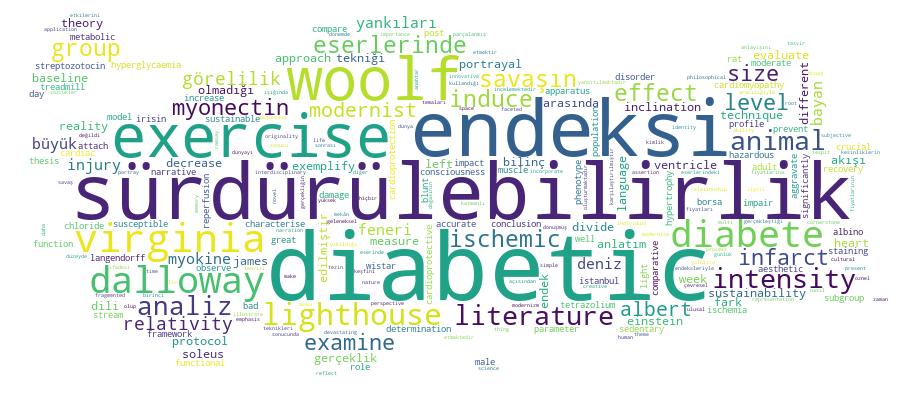
GCRIS Competency Cloud

Scholarly Output Search Results

Now showing 1 - 1 of 1
  • Article
    The Effect of Exercise Intensity on Ischemia/Reperfusion Injury and Myokine Profile in Diabetic Cardiomyopathy
    (Brill, 2024) Akat, F.; Tatar, Y.; Celik, H.; Ficicilar, H.; Dursun, A. D.; Bastug, M.
    Diabetes is a metabolic disorder characterised by hyperglycaemia. The diabetic heart becomes more susceptible to ischemic injury. Although exercise induces a cardioprotective phenotype, the determination of accurate protocol is crucial. We compared two different exercise intensities in the diabetes model and evaluated the role of myokines in exercise-induced cardioprotection. Male, adult, Wistar albino rats were used (n = 20 each). First, animals were divided into two groups: Non-Diabetic (ND), Diabetic (DM); then groups were further divided into subgroups: Sedentary (S), Training-1 (T1 =10 m/min, 00 inclination), and Training-2 (T2 = 20 m/min, 100 inclination). Diabetes was induced by streptozotocin (60 mg/kg; i.p.). Animals exercised on a treadmill 5 days/a week for 6 weeks. Then, hearts were attached to the Langendorff apparatus and baseline functional parameters were measured. After 30'/120'I/R protocol, infarct size was evaluated with tetrazolium chloride staining. Interleukin-6, FNDC5, and myonectin levels were measured both in the soleus and the left ventricle. We observed cardiac hypertrophy and impaired baseline LV function in diabetes. Infarct size was significantly larger in diabetics and only T1 decreased the infarct size whereas T2 further aggravated it. Moreover, post-ischemic recovery was worst in diabetic-T2 group. Irisin and myonectin levels were decreased in the soleus muscle of diabetic animals. T1 increased the myonectin levels in the left ventricle of non-diabetics, and this effect was blunted in diabetic-T1 animals. As a conclusion, light-intensity exercise is a better approach to prevent ischemic damage in diabetes besides moderate intensity may be hazardous in diabetic population.